Manual or Electric Breast Pump: How to Choose
The choice turns on how often you will pump rather than which pump is more advanced. A guide to manual, electric and wearable pumps.
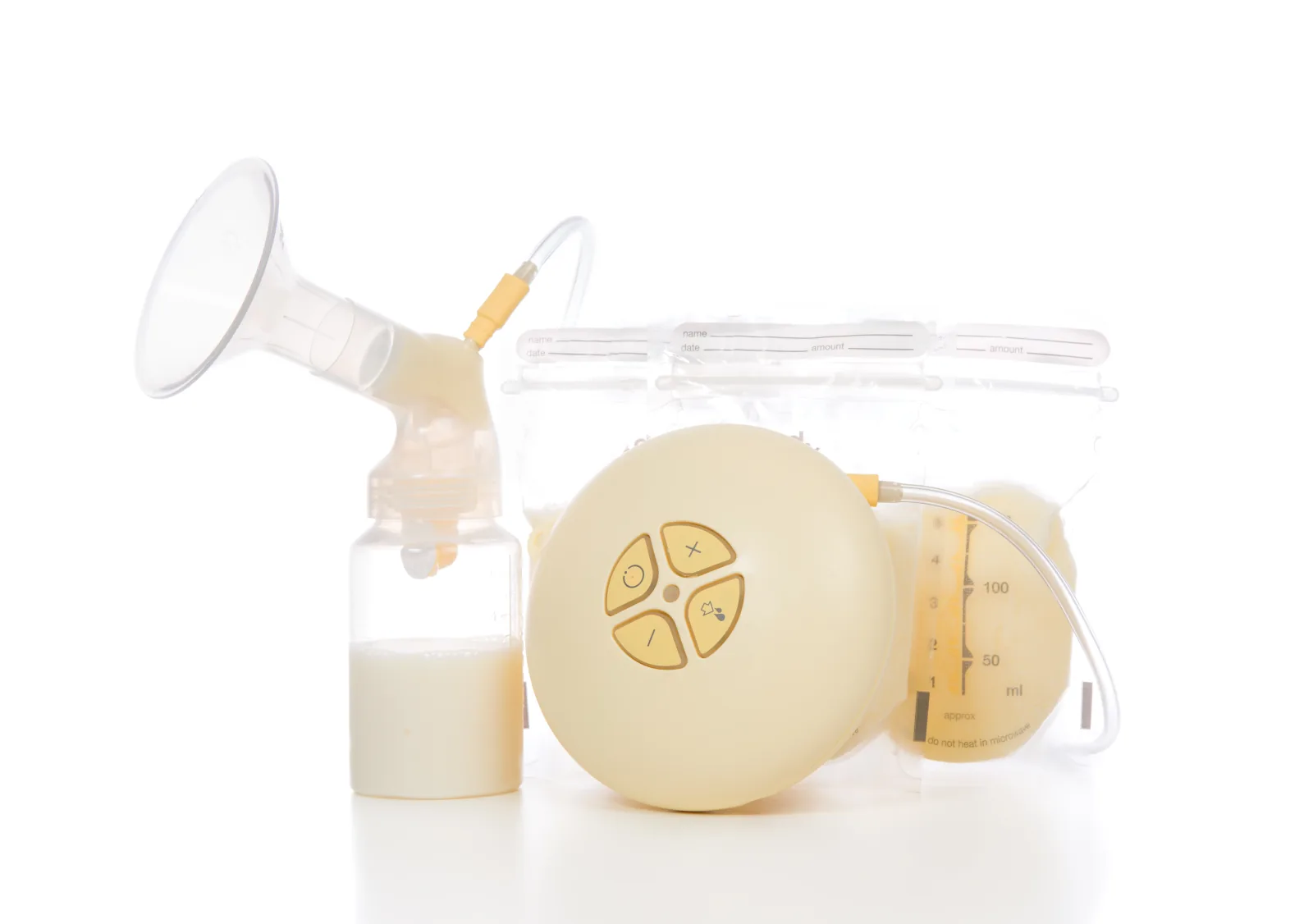
Somebody will tell you the expensive one is better. It is not better. It is different, and which one suits you depends on a question you can answer today: how often will you actually pump?
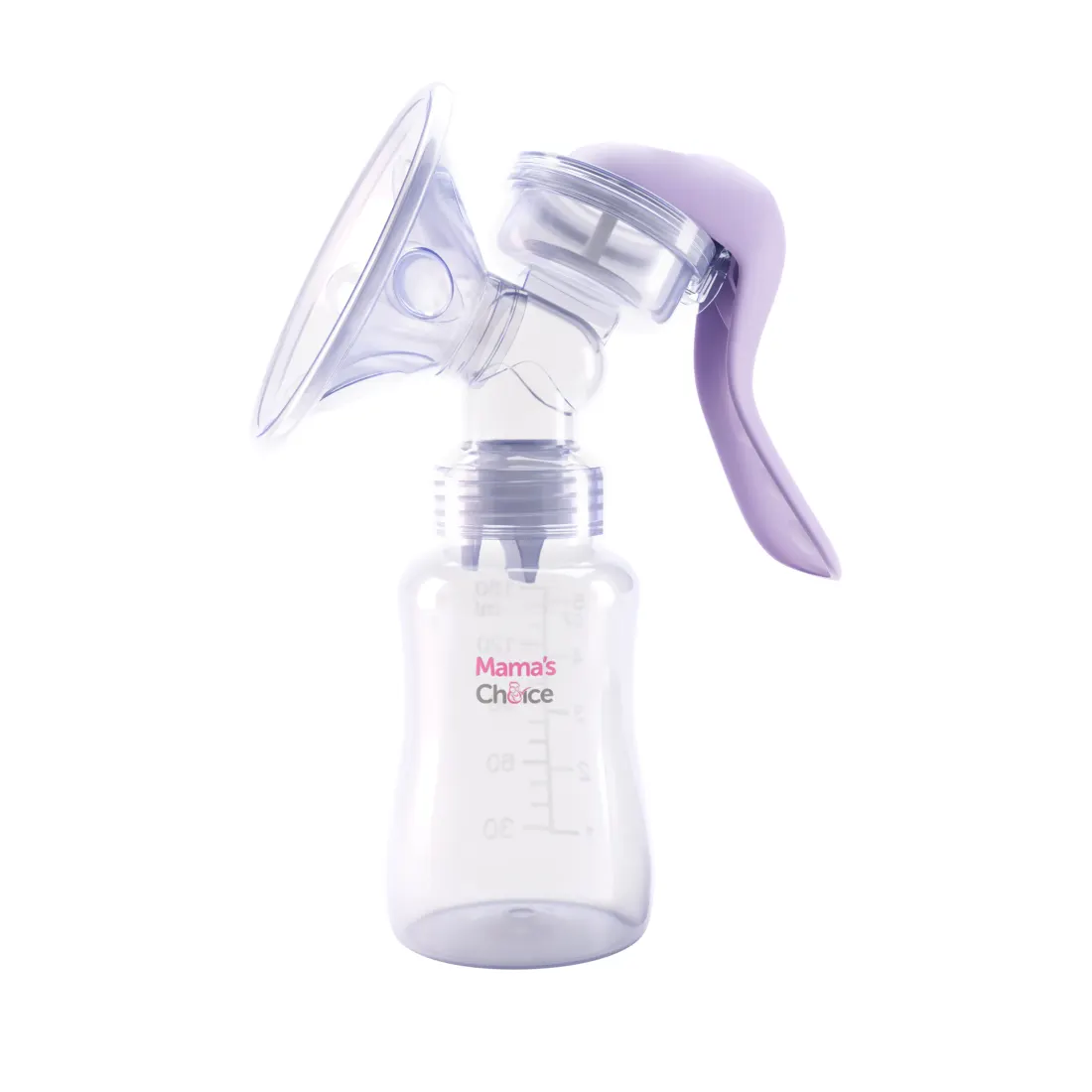
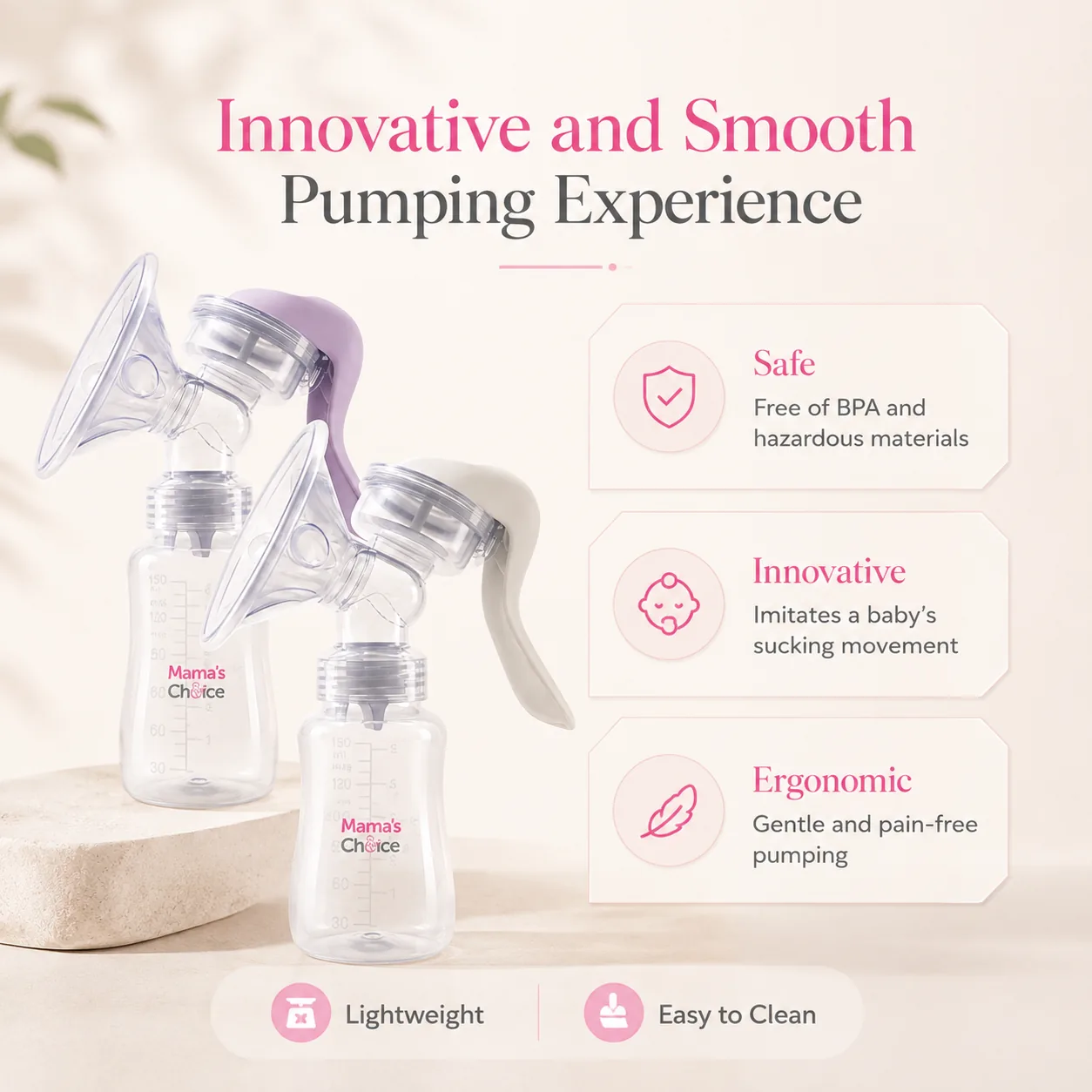
Manual, for now and then
A handle you squeeze. No batteries, no cables, no noise.
Right for you if:
- You will pump a few times a week
- Your breasts feel full and you want relief quickly
- You are travelling, or there is no socket
- You want to pump one side while she feeds on the other
- You are packing a hospital bag and genuinely do not know yet
The catch: your hand gets tired. Twenty minutes of squeezing is a different proposition from five, and for a daily routine that becomes a real obstacle rather than a minor one.
From our 2022 consumer satisfaction survey of 89 Mamas, 95% found the manual pump easy to use and 97% found it easy to clean. Few parts, which shows when you are washing them every day.
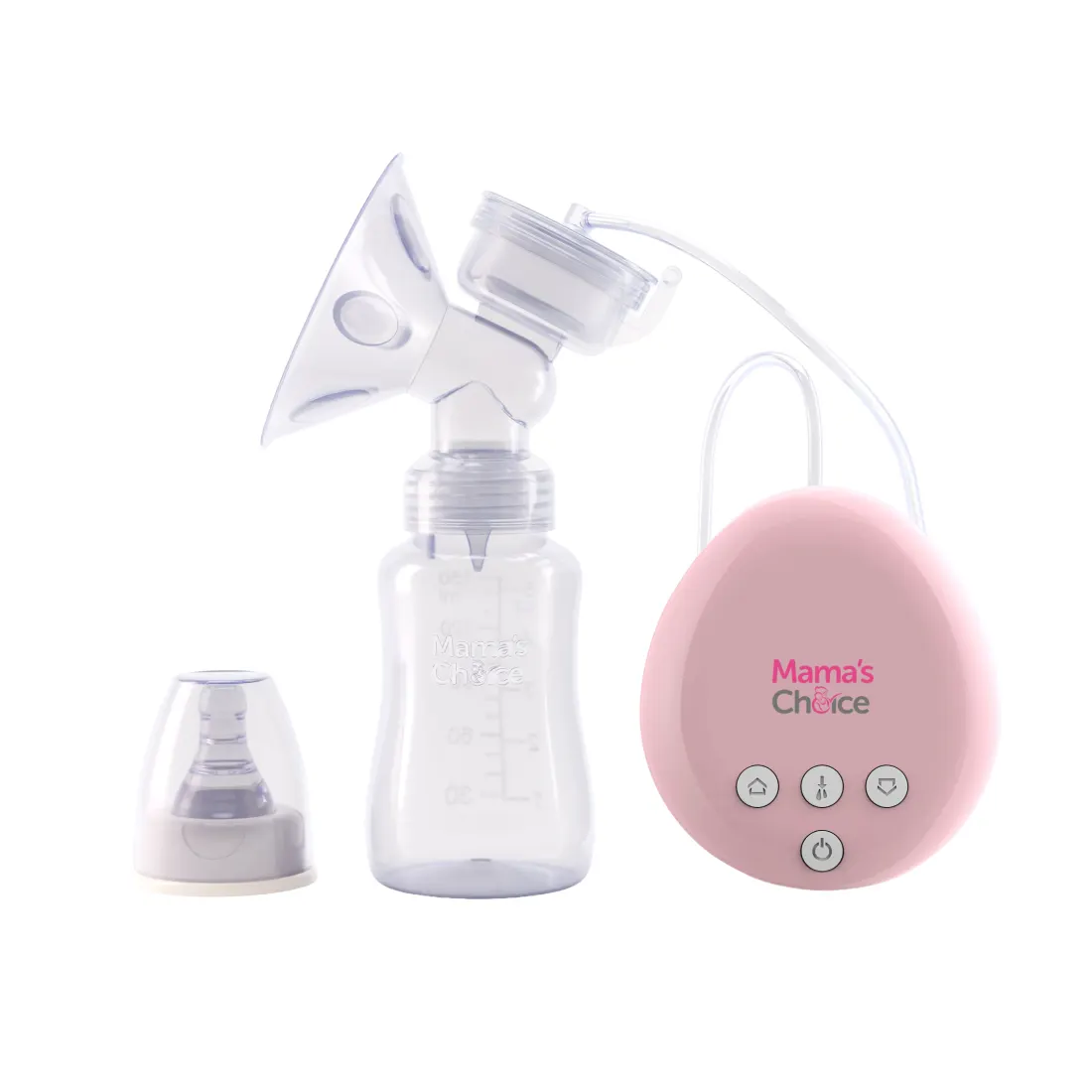
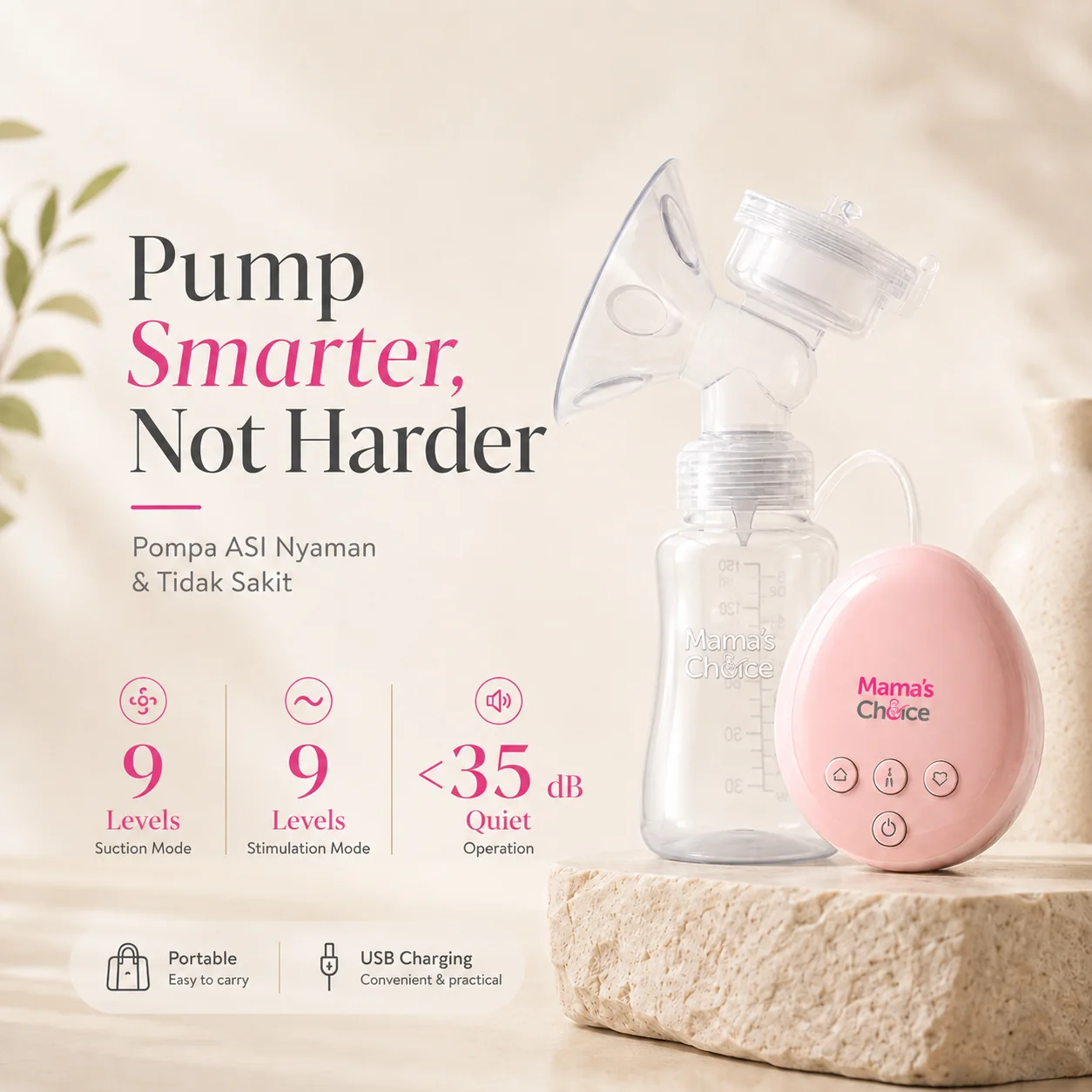
Electric, for every day
A motor does the work, so your hands are free and the suction adjusts.
Right for you if:
- You pump daily, particularly several times a day
- You are back at work, pumping at the same times
- You want both sides at once, to halve the time
- Your nipples are sore and you need to turn the suction down
From the same survey, 94% found the electric pump easy to use and 92% found the suction easy to adjust (n=89). That adjustment is what keeps regular pumping bearable rather than being a bonus feature.
The catch: more parts to wash, and motor noise, which matters if you pump in the bedroom while she sleeps.
Wearable, for when your hands are needed elsewhere
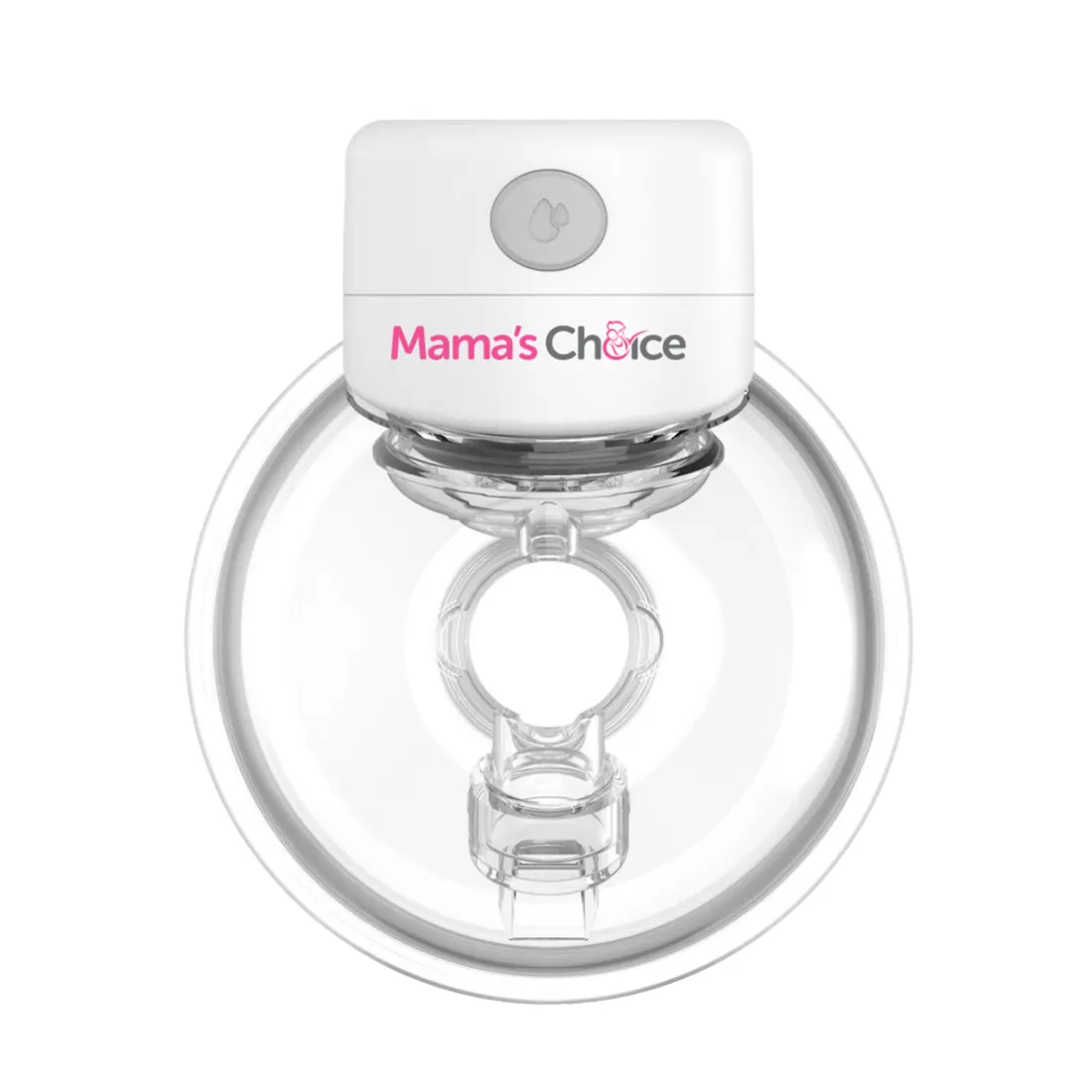
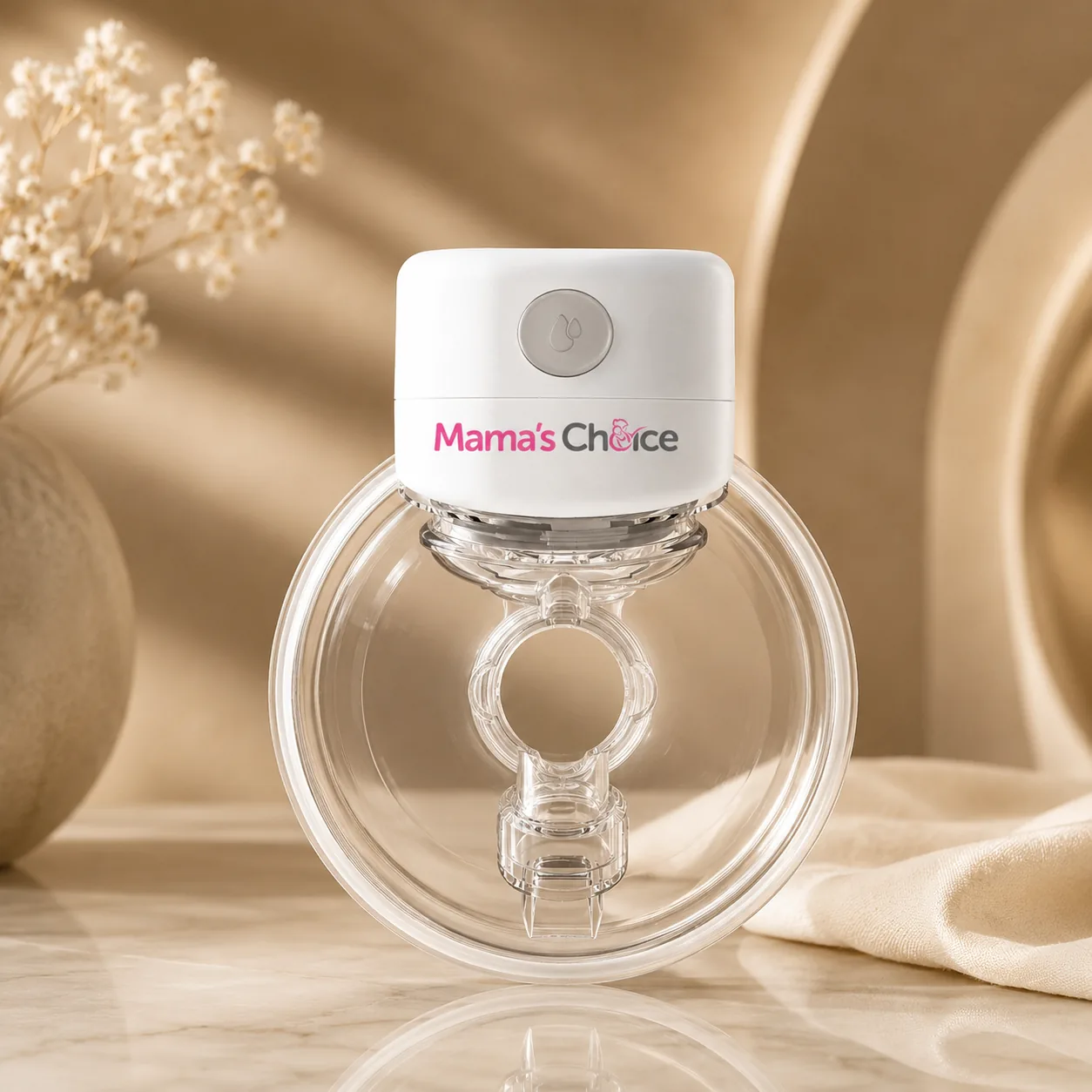
Sits inside your bra, no tubes, no separate bottle. You can pump while holding her, typing, or walking around the house.
From our consumer survey in Bangkok in February 2024, 9 in 10 Mamas rated the suction good or very good and 8 in 10 rated comfort good or very good (n=10).
The sample is small, which is exactly why we write "9 in 10" rather than "90%". With ten people, one answer moves the figure by ten points.
These come from internal consumer satisfaction surveys rather than clinical trials. Results vary between Mamas.
There is a fuller discussion, drawbacks included, in our article on wearable pumps.
So which one
| Your situation | Usually |
|---|---|
| No idea how often you will pump | Manual |
| A few times a week | Manual |
| Every day at home | Electric |
| Going back to work | Electric, or wearable |
| Hands needed free | Wearable |
| Travelling, or unreliable power | Manual |
If you cannot decide, start manual. Cheapest, simplest to look after, and even if you end up needing an electric one, the manual still earns its place in a bag.
What matters more than which type
Flange size. The single most overlooked thing. Too narrow and your nipples hurt. Too wide and it drags in areola and your output drops. Your nipple should move freely inside the tunnel.
Comfortable suction, not maximum suction. Pumping should not hurt. The strongest setting does not produce the most milk. It produces sore nipples and a Mama who stops pumping.
How often. Supply follows how often the breast is emptied. Ten minutes three times a day generally beats thirty minutes once.
The honest part
No pump increases your supply by itself.
What increases supply is demand. A breast emptied regularly makes more. A pump is a tool for emptying it when she is not feeding, and a more expensive one does not change that mechanism at all.
If supply feels low, the cause is usually not the pump. A lactation consultant can check your latch and feeding pattern, and no device fixes either.
The market is split too. In the theAsianparent Indonesia community poll on breast pumps, from a media brand in the same group as Mama's Choice but run independently (May 2021, n=2,206), our electric pump took 454 votes, just behind the most popular manual on 552.
In practice
- Choose by how often you will pump, not by the feature list
- Now and then, or travelling: manual. Daily: electric. Hands free: wearable
- Flange size and comfortable suction matter more than the type
- If it hurts, lower the suction or check the flange. It should not hurt
- No pump adds supply. Emptying the breast does
Frequently asked questions
- Manual or electric for a first-time Mama?
- It depends how often you will pump. For a few times a week, relieving fullness or building a small stash, a manual pump is usually enough and easier to clean. For pumping every day, an electric pump is far kinder on the hands.
- Does an electric pump produce more milk?
- Not by itself. What determines volume is how often the breast is emptied, not the device. An electric pump makes it easier to pump more often and for longer without tiring, and that is where the difference shows.
- Does flange size matter?
- Yes, and it often matters more than the type of pump. A flange that is too narrow makes nipples sore; one that is too wide draws in areola and reduces output. The nipple should move freely inside the tunnel.
Sources
- theAsianparent Indonesia community polls on breast pumps — May 2021 (n=2,206), Sep 2021 (n=4,914)
- Mama's Choice — consumer satisfaction survey 2022, n=89
- Mama's Choice — consumer survey, Bangkok, February 2024, n=10
Share this article
This article is for information only and is not a substitute for diagnosis or medical advice. Please discuss your own situation with your midwife or doctor.