Food for Breastfeeding Mamas: What Actually Helps
Ten nutritious foods for breastfeeding, how many extra calories you need, and an honest account of what food can and cannot do for milk supply.
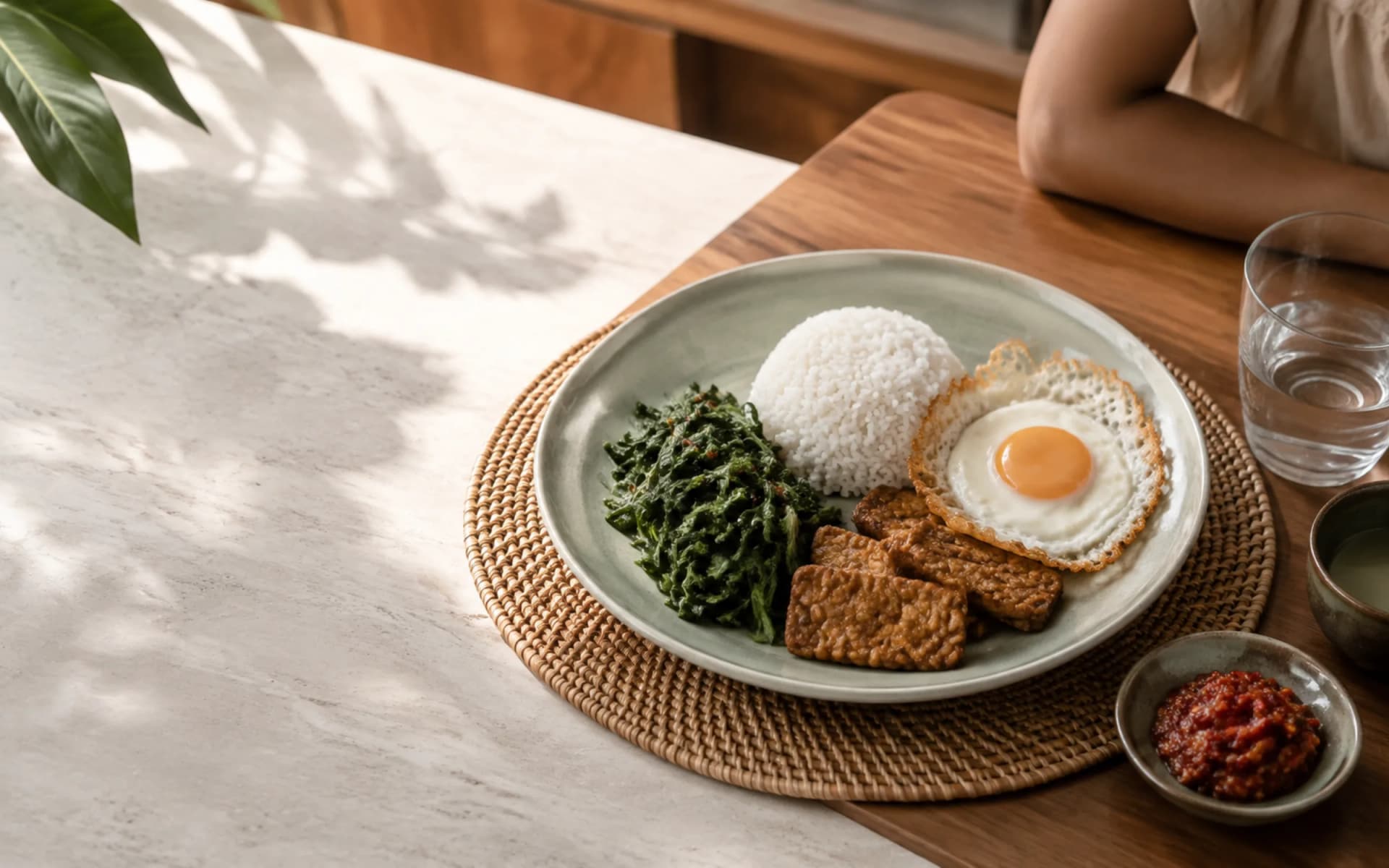
An hour into the day you are hungrier than you have ever been in your life, and it arrives without warning.
Making milk uses energy, and your blood sugar drops faster while you are feeding. That hunger is real, and it is not a lack of discipline.
Before the food list, the bit that usually gets skipped.
What actually decides your supply
The evidence that particular foods or herbs directly increase milk supply is limited.
Supply is decided by how often and how completely the breast is emptied. Milk out is the signal to make more.
Good food still matters, because it keeps your energy and your health up. What it does not do is stand in for a good latch and regular feeding.
If supply feels low, a lactation consultant checking your latch is more use than anything in this article.
Ten things worth having in the house
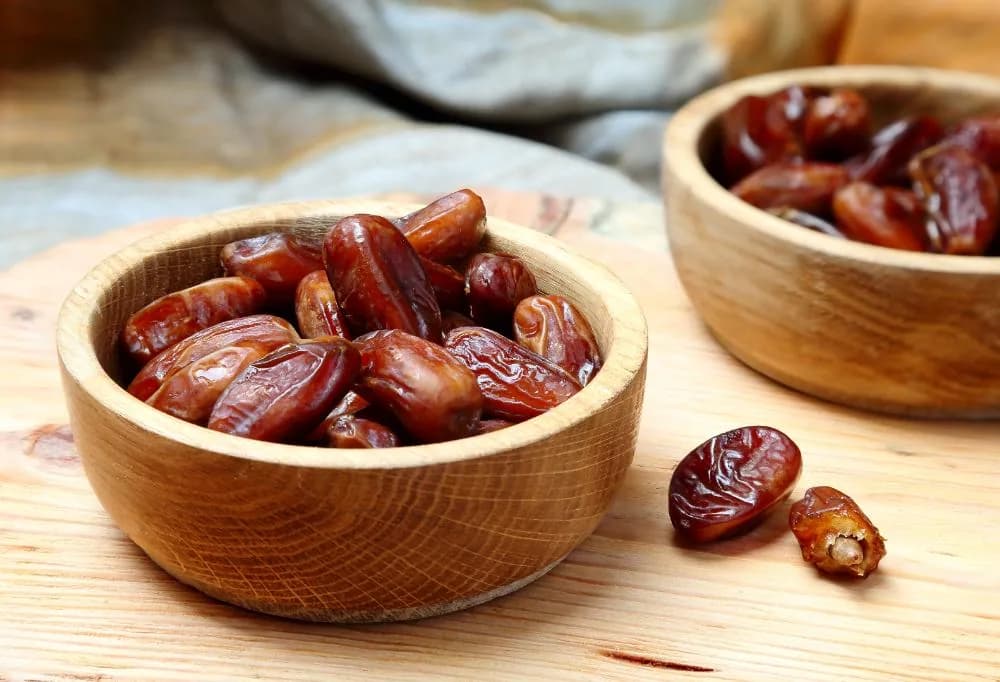
Dates. Tryptophan and calcium, the two nutrients usually mentioned here, though the evidence is thin. Mostly they are easy to eat one-handed, which is not a small thing at 3am.
Ginger. A traditional lactogenic food across Indonesia. Anti-inflammatory, antioxidant, warming.
Oats. Fibre, iron, magnesium, zinc. Iron matters here: low iron is associated with reduced supply.
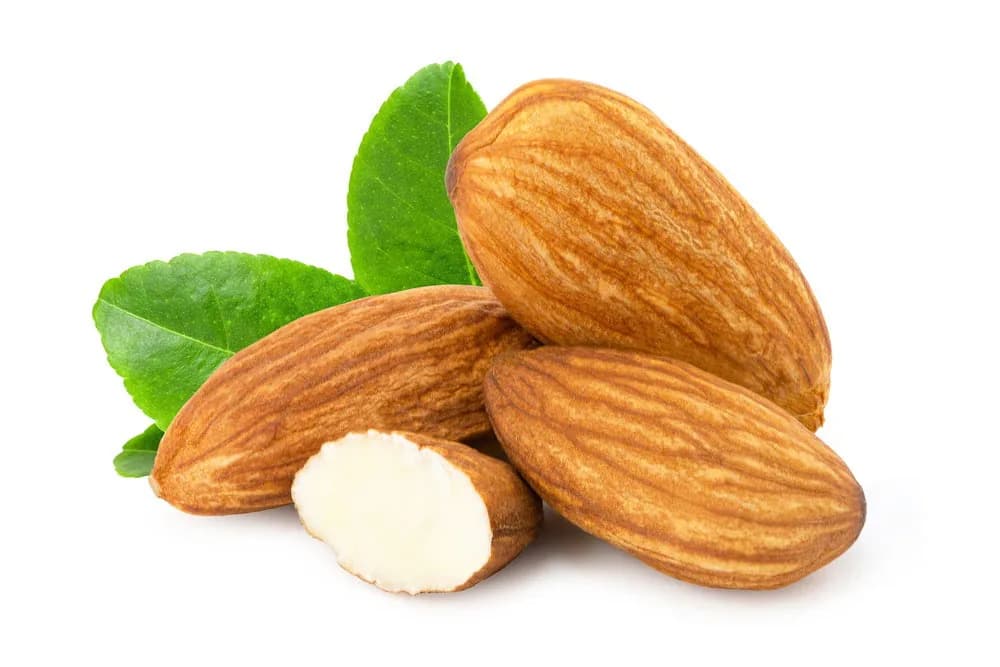
Almonds. Protein, fibre, vitamins, minerals, antioxidants, and a good non-dairy source of calcium if you are off cow's milk.
Katuk leaves and spinach. Both long-standing parts of the postnatal diet here. Spinach gives folate and iron, which help replace what the birth took.
Fenugreek. The most studied herb for low supply. Mixed results, small samples. An addition rather than a treatment.
Fennel seeds. Traditionally used to settle digestion. Brewed as tea, or simmered with milk.
Green tea. Contains caffeine, so quantity matters. The American Academy of Pediatrics says breastfeeding Mamas can have caffeine within reasonable limits.

Eggs. Protein, choline, lutein, vitamins D and B12, riboflavin, folate. Whole eggs, not just the whites.
Salmon. B12, omega-3s and DHA, which supports your baby's nervous system.
How much more to eat
Breastfeeding raises what you need. For a Mama in a normal weight range, the usual figure is an extra 330 to 500 kcal a day.
That is an average, and it shifts with your age, body mass index, activity, and how long you have been feeding.

Practically: a snack after breakfast, one in the afternoon, one after dinner. Something light during night feeds helps too.
Drink when you are thirsty. Forcing extra fluid does not increase supply. It increases trips to the bathroom.
What matters more than the shopping list
- Feed on cue rather than to a schedule. Newborns usually feed 8 to 12 times in 24 hours
- Empty the breast often and properly. This is the actual driver
- Power pumping if supply feels low, though it is optional and not worth losing sleep over
- Rest. Exhaustion is a genuine obstacle, not a character flaw
Where a booster fits
In the early weeks, shopping and cooking do not happen. A booster fills the nutritional gap on those days.
Mama's Choice Almond Milk Powder is almond-based with DHA added, suits you if you are vegan or avoiding red meat, and is made without colouring, flavouring or preservatives.
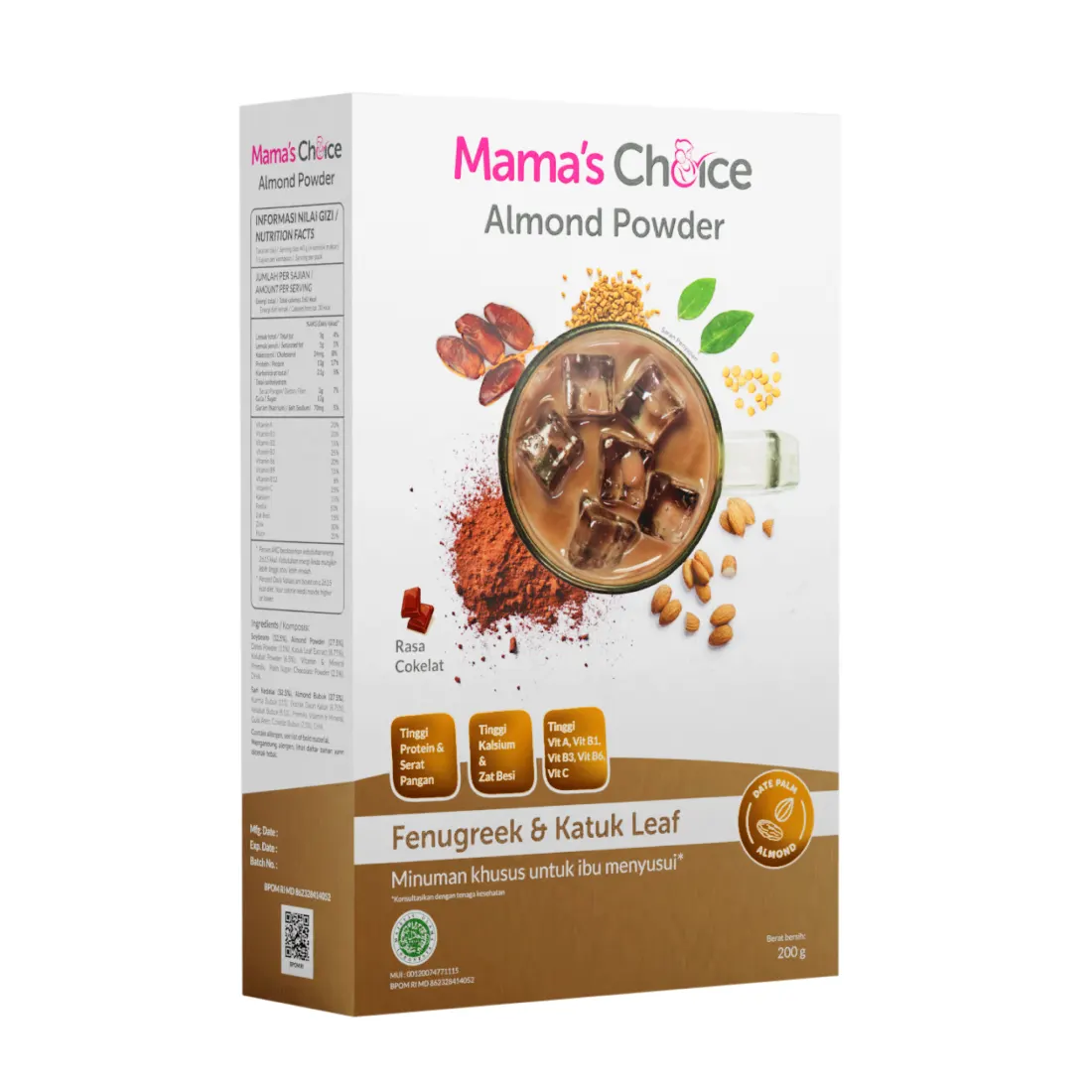
It is a nutritional supplement, not a guarantee of more milk. Satisfaction figures on the product page record what Mamas felt, not measured volume.
Ask for help if
- She is not gaining weight along her growth curve
- Fewer wet nappies in a day than you would expect
- Feeding is very painful, or your nipples are cracked and bleeding
- A breast is swollen and red and you have a fever
- She seems constantly hungry despite having just fed
Low supply can be helped, and the earlier someone looks at it the better it tends to go.
Sources
Share this article
This article is for information only and is not a substitute for diagnosis or medical advice. Please discuss your own situation with your midwife or doctor.