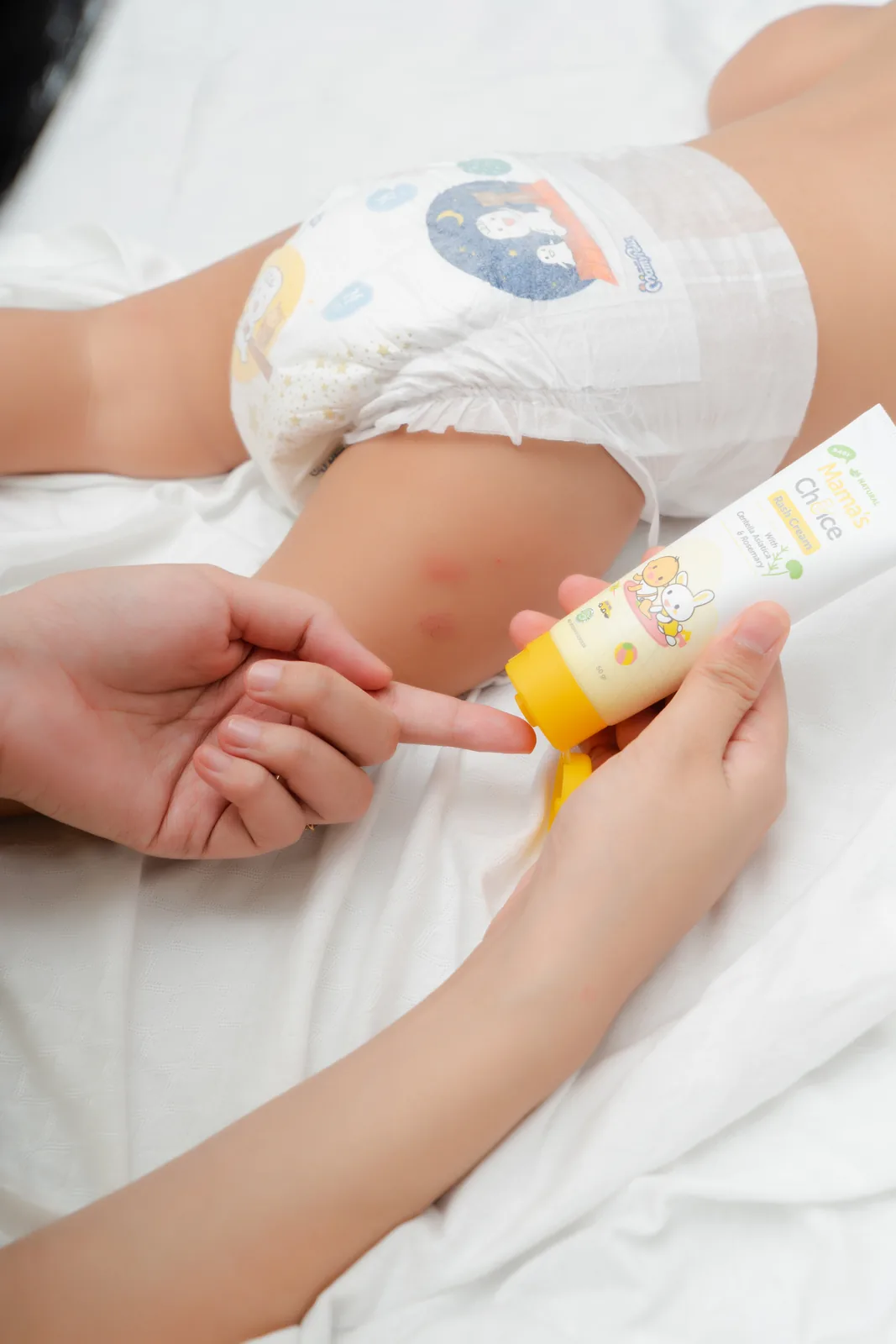
Nappy Rash Cream: Choosing One and Using It Properly
How a barrier cream works, which ingredients to look for and avoid, and the application mistakes that stop it doing its job.
You have the cream. Whether it works comes down to one step almost everyone skips.
What it is actually doing
A nappy rash cream has one job: putting a layer between irritated skin and everything that irritates it.
Irritant nappy rash happens because skin sits against moisture, urine and stool, and gets rubbed by a nappy on top of that. A barrier cream forms a water-repellent film on the surface. The irritants sit on the film rather than on her skin, and the skin underneath gets a chance to recover.
That is a physical mechanism rather than a pharmacological one. It explains both why barrier creams work well for irritant rash and why they do nothing at all for a fungal or bacterial one.
The step everyone skips
Dry her properly. That is the one.
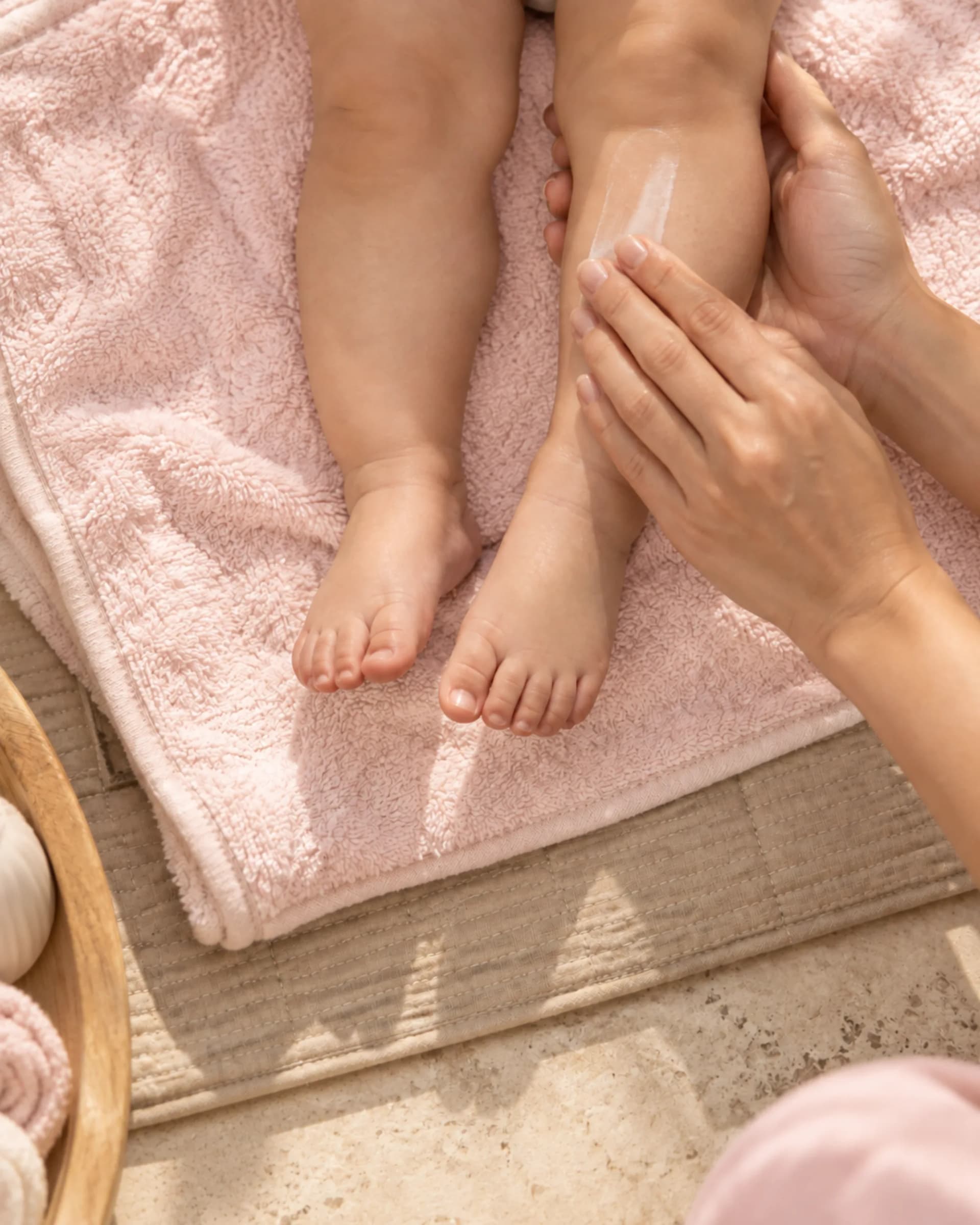
Cream applied over damp skin seals moisture in rather than out, which is precisely backwards. Pat dry, and give the area a minute of air if you can manage it.
The rest of the routine:
Clean gently. Water and a soft cloth, or a fragrance-free, alcohol-free wipe. No scrubbing.
Thin for prevention, thicker on an active rash. A thin layer at each change is enough to prevent one. An active rash needs more, because the layer has to survive contact.
Do not scrub off the residue. At the next change, clean the surface but do not try to remove every trace. Scrubbing at healing skin does more harm than a bit of leftover cream.
Let it absorb before the nappy goes on. A minute, with a light formula.
When to apply it
An active rash: every change, on clean dry skin.
Prevention: after bathing, and at changes if she is prone to rash, particularly overnight when a nappy is on for longer.
During diarrhoea: more often. This is the fastest route to a rash, and a slightly thicker layer works as a defence.
Ingredients worth looking for
Zinc oxide, the most established barrier ingredient, with mild astringent properties.
Panthenol (provitamin B5), which supports repair.
Centella asiatica, widely used in scar and wound care for its calming effect.
Chamomile, licorice and green tea, all used to settle inflamed skin.
Sweet almond or similar emollients, keeping skin from drying out under the barrier.
And worth avoiding
Fragrance, on skin that is already inflamed.
Alcohol high up the list, which stings and dries.
Talc, which can be inhaled and adds nothing.
Steroids, unless a doctor prescribed them for a specific reason. Long-term topical steroid use thins the skin.
Boric acid and other traditional remedies still occasionally sold for this. No place on a baby.
Ours
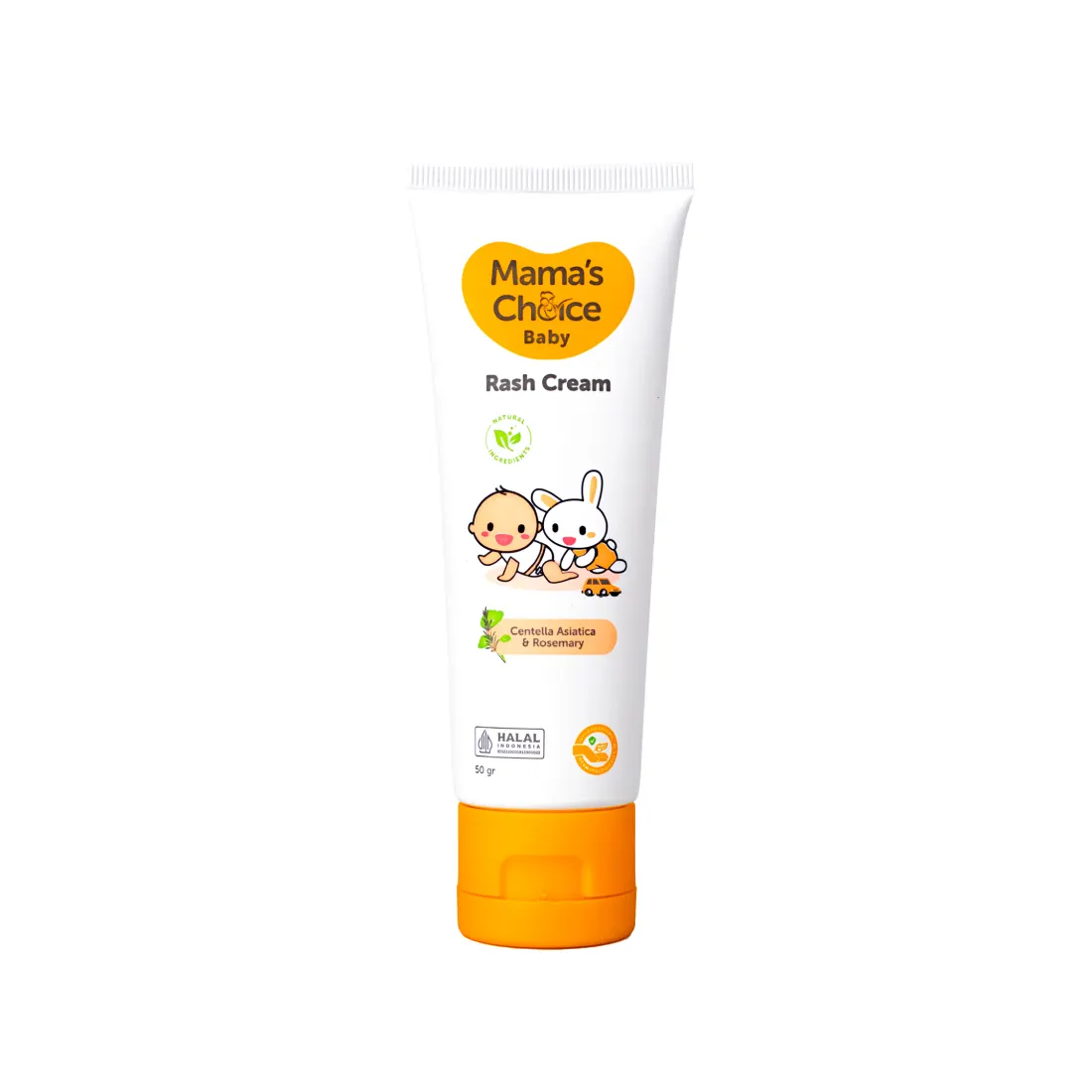
Mama's Choice Baby Rash Cream uses eight natural ingredients including centella asiatica, chamomile, licorice and green tea, and works across her body rather than only under a nappy.
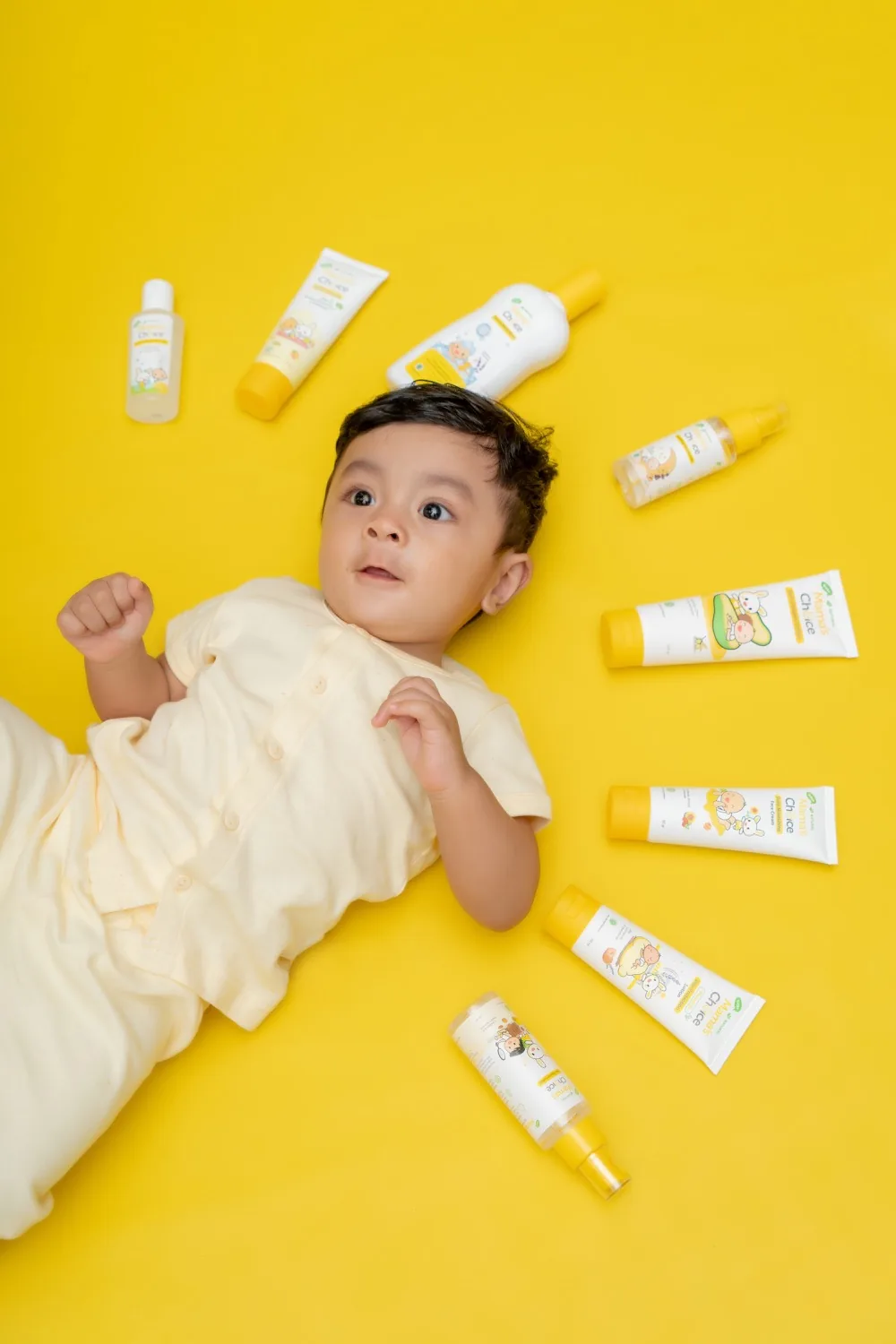
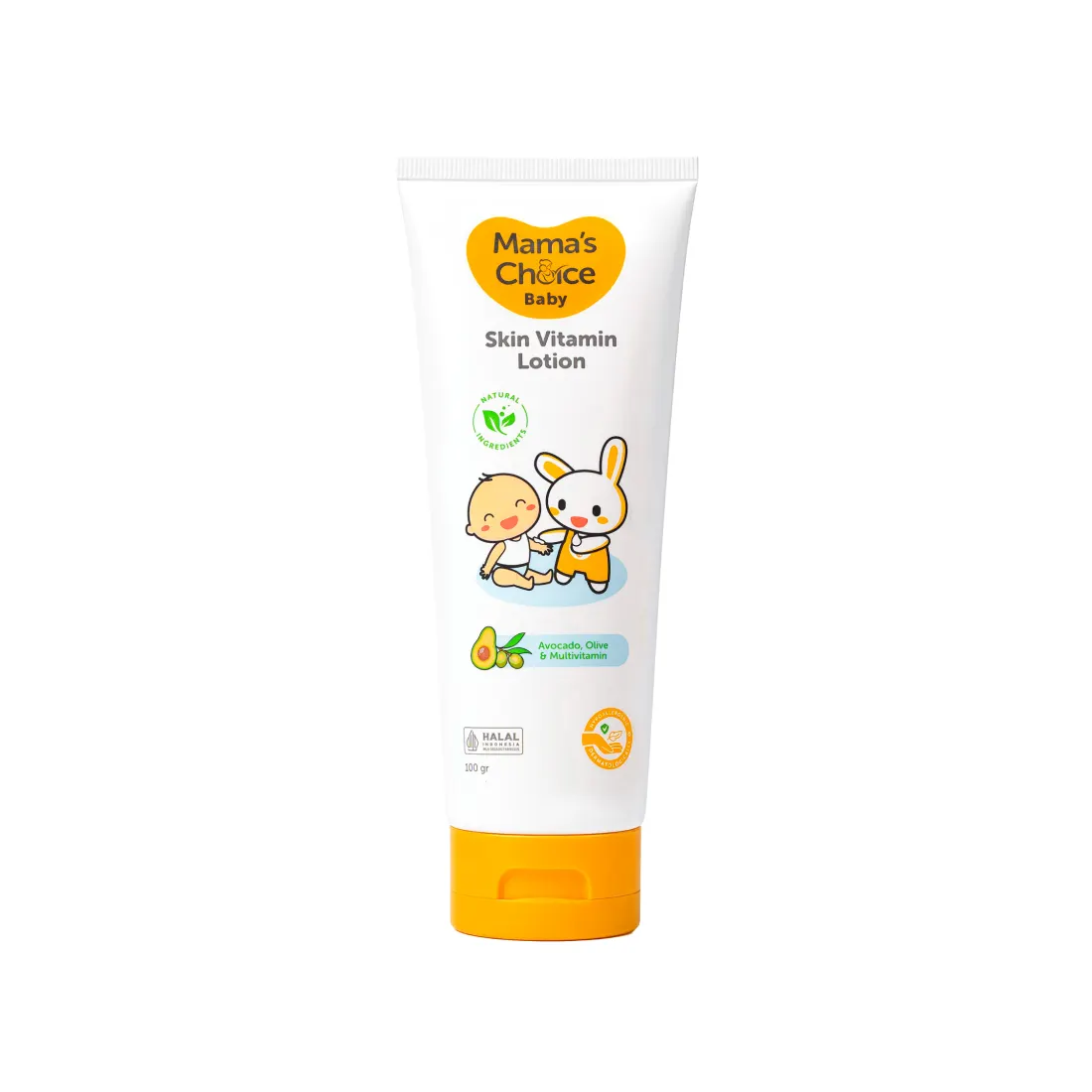
For everyday moisturising elsewhere, Baby Skin Vitamin Lotion uses avocado, olive and multivitamins.
What matters more than the cream
Changing a nappy as soon as it is wet, cleaning with water, drying properly, and letting her skin have some air.
A good cream helps. A good routine helps more, and together most rashes clear in a few days.
When a cream is the wrong tool
- Fungal (Candida): bright red, clearly edged, small satellite spots. Needs an antifungal
- Bacterial: pus, yellow crusting, skin hot to the touch
- Eczema: dry and flaking, usually somewhere else on her body too
If it does not improve within a few days, spreads beyond the nappy area, blisters, oozes, or comes with a fever, see a doctor rather than applying more.
Sources
Share this article
This article is for information only and is not a substitute for diagnosis or medical advice. Please discuss your own situation with your midwife or doctor.