A Newborn Skincare Routine, in the Right Order
Newborn skin is thinner and dries out faster. A simple routine in the order that works, how often to bathe, and what a newborn does not need.
You have been given a shelf of things and no idea what order any of it goes in.
Her skin is thinner than yours, loses water faster, and reacts to things yours ignores. Left to dry out it is more prone to eczema, nappy rash and occasionally infection.
None of which calls for a long routine. It calls for a short one, in the right order.
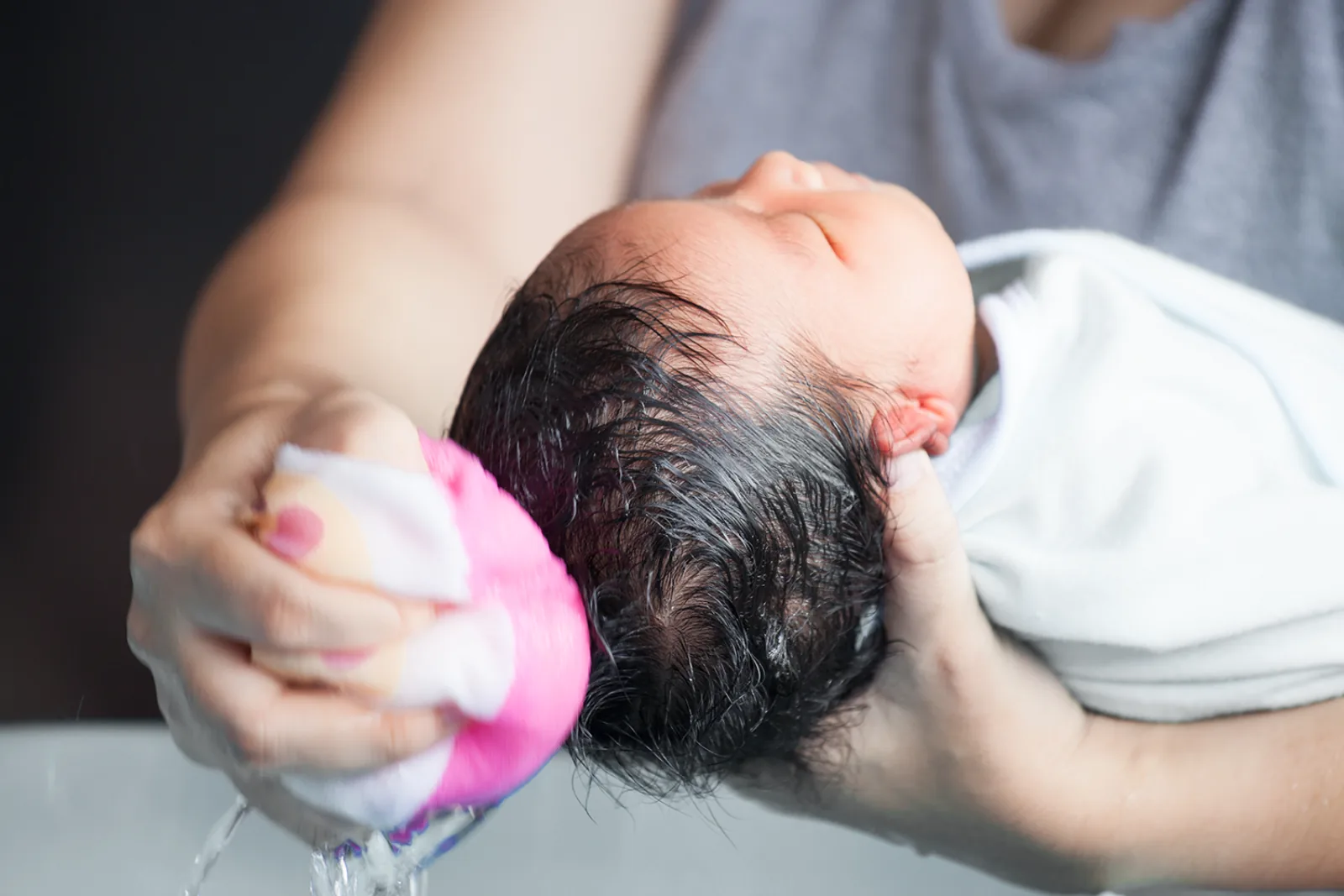
Bathing, less often than you think
Warm water, and not for long.
The American Academy of Pediatrics puts 3 baths a week in the first year at about right. More than that dries her out.
The nappy area needs attention every day regardless, kept clean and dry.
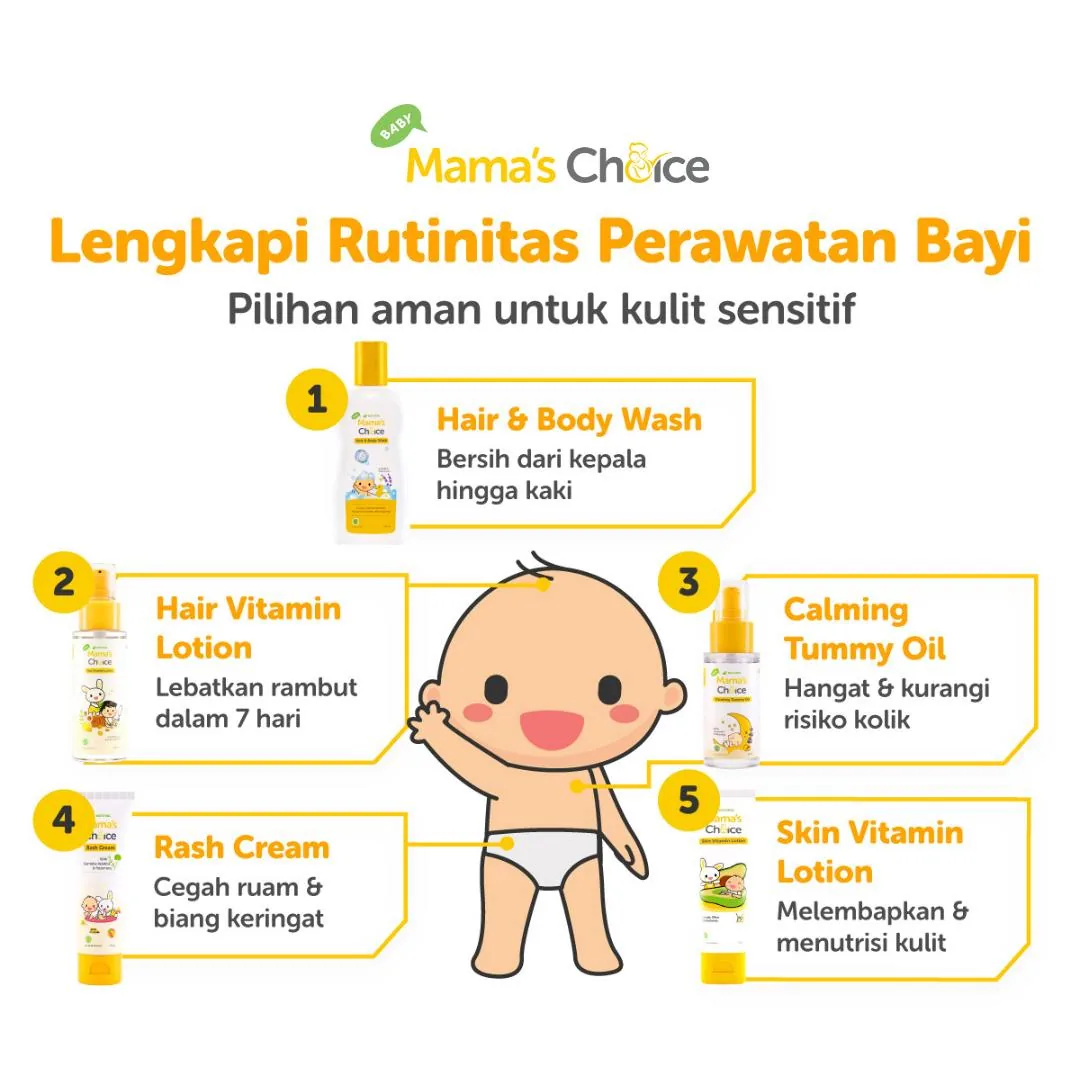
Use a baby wash and shampoo made for her age, on a mild base. Lavender and chamomile turn up in a lot of them and do make bathtime calmer.
The order afterwards
Everything goes onto skin that is still slightly damp, because that is when it absorbs.
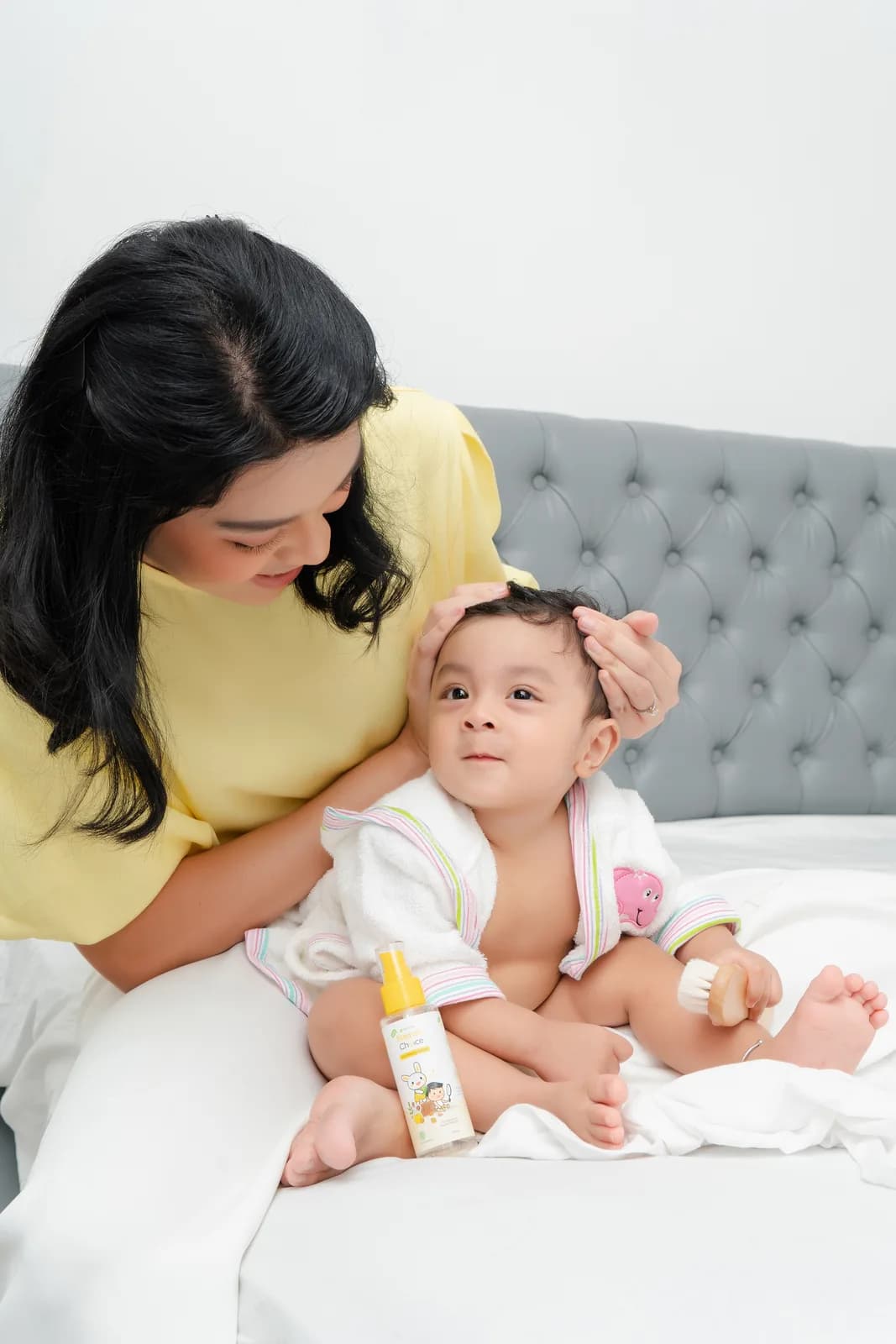
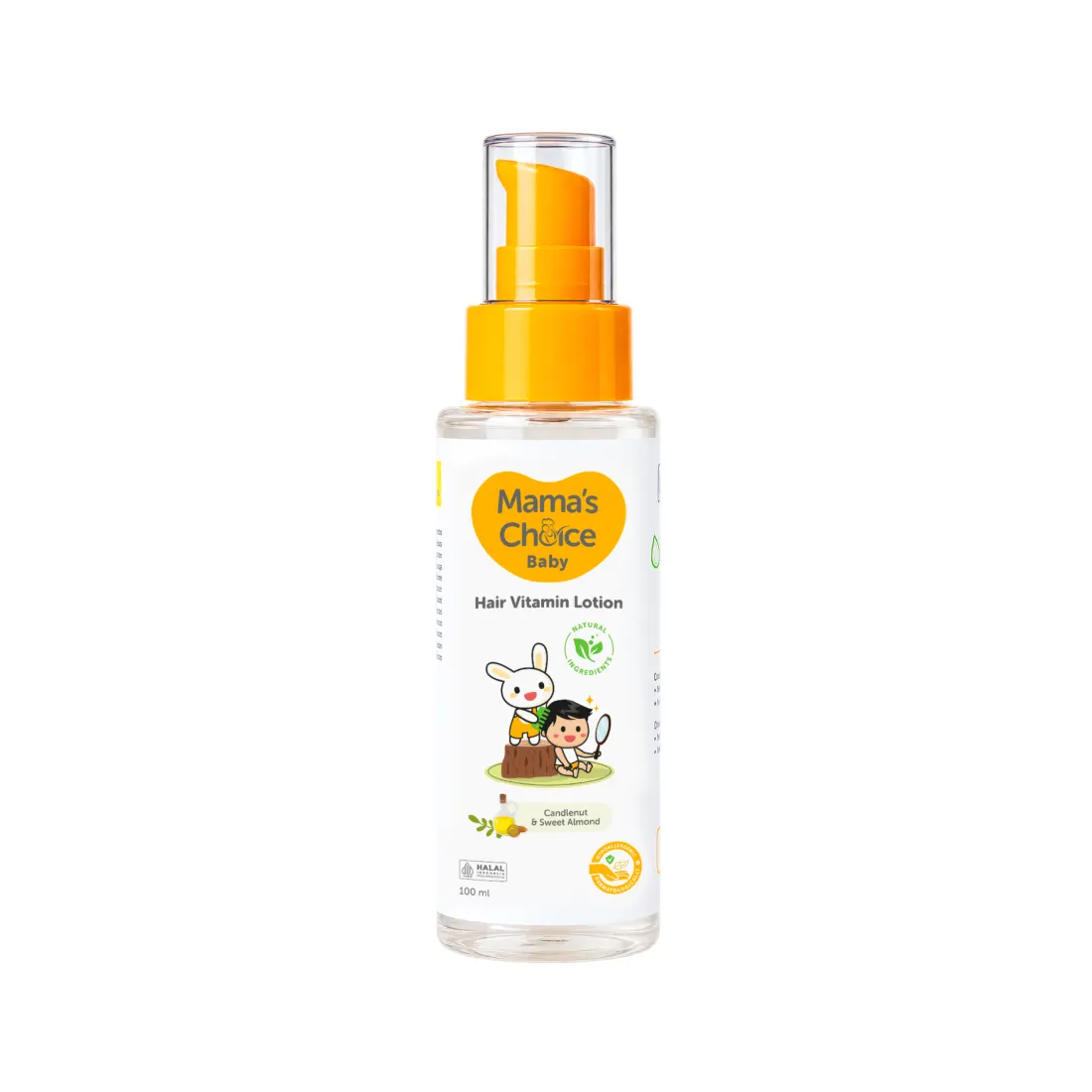
1. Hair lotion. Onto the scalp, massaged in gently.
Mama's Choice Baby Hair Vitamin Lotion has sweet almond, chamomile, candlenut and organic aloe vera, which nourish the scalp and soften cradle cap.
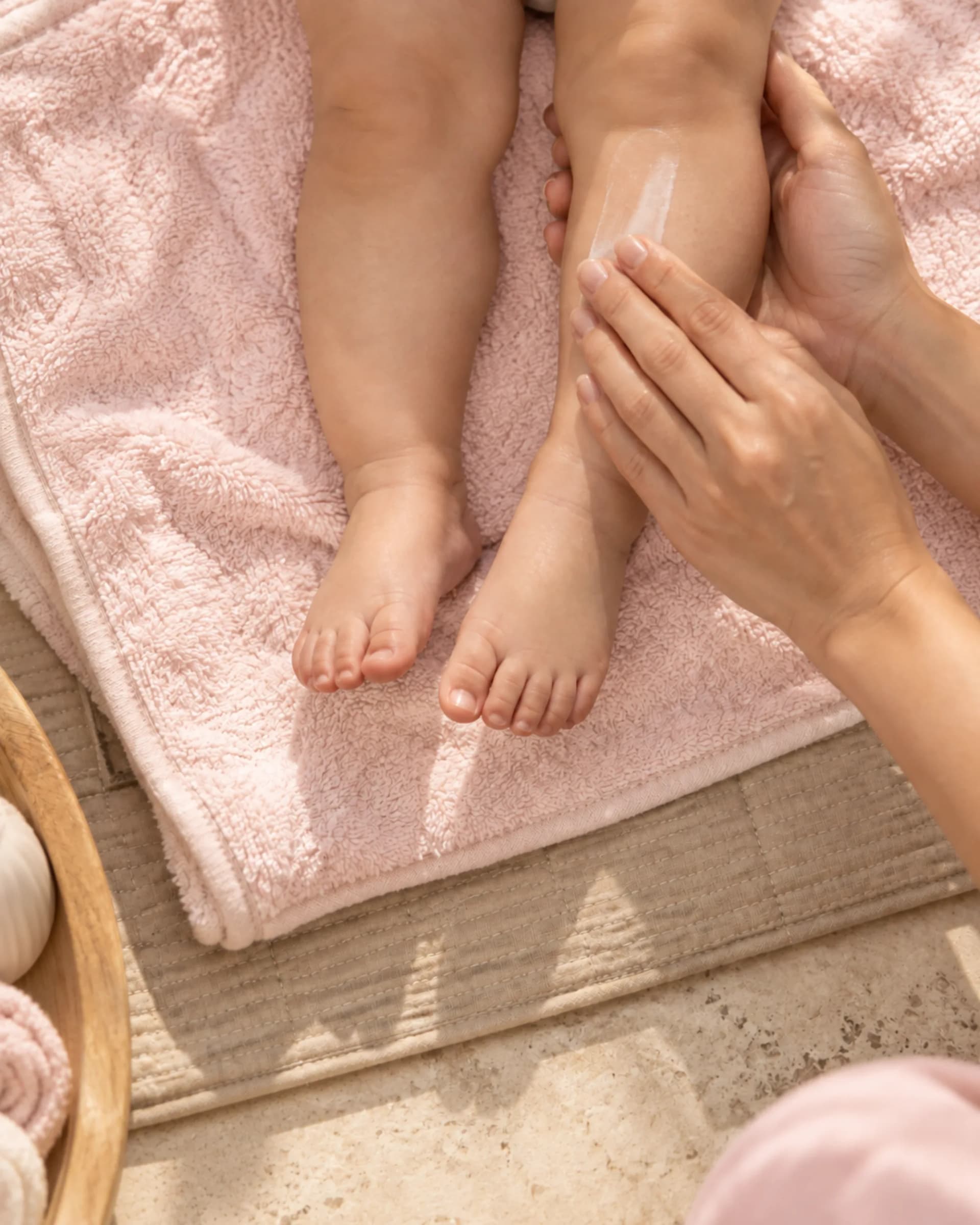
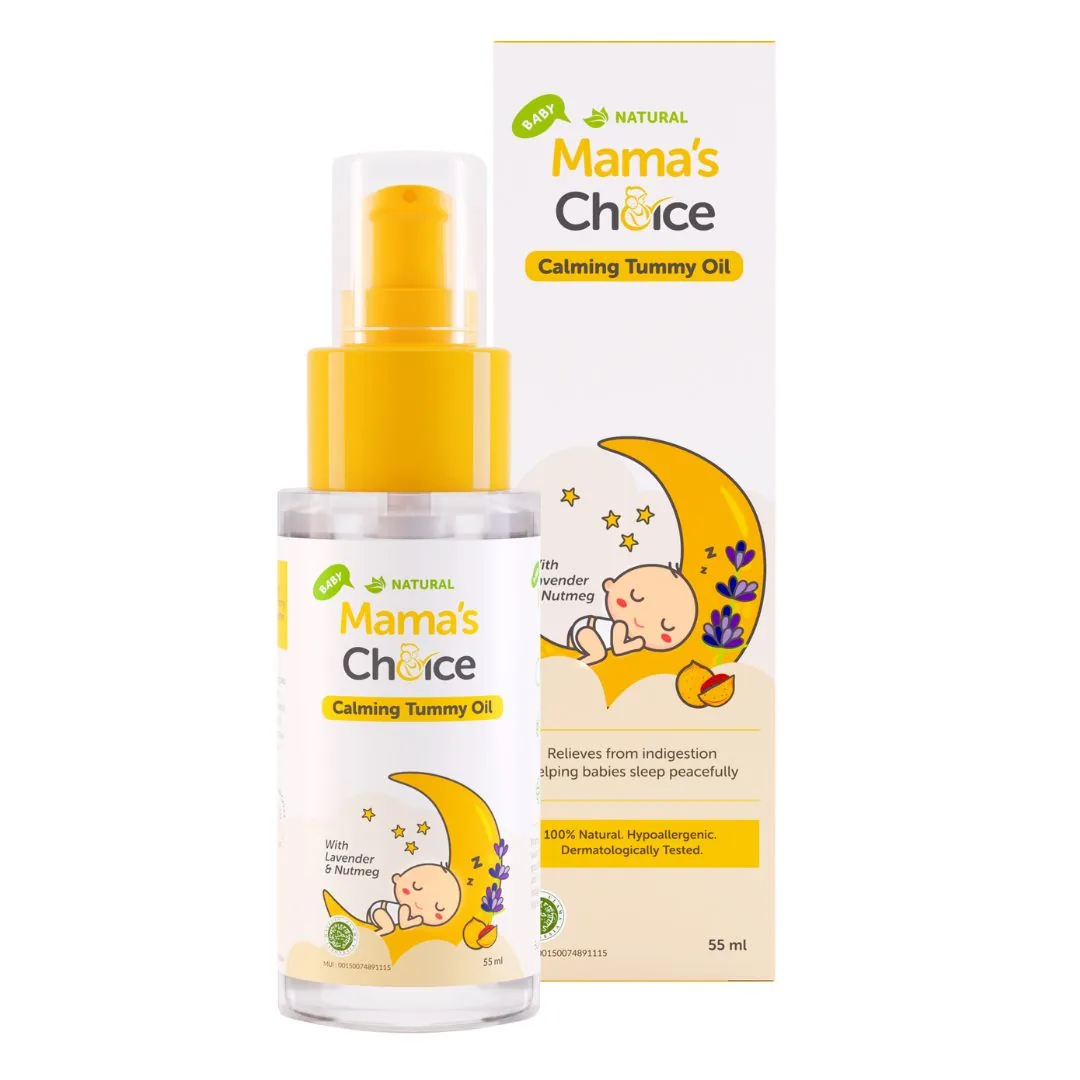
2. Massage oil. Over her body and the soles of her feet, to protect the skin and keep her warm.
Good moment for the "I Love You" massage, tracing the letters I, L and U across her stomach. It settles her, and the movement helps trapped wind move along.
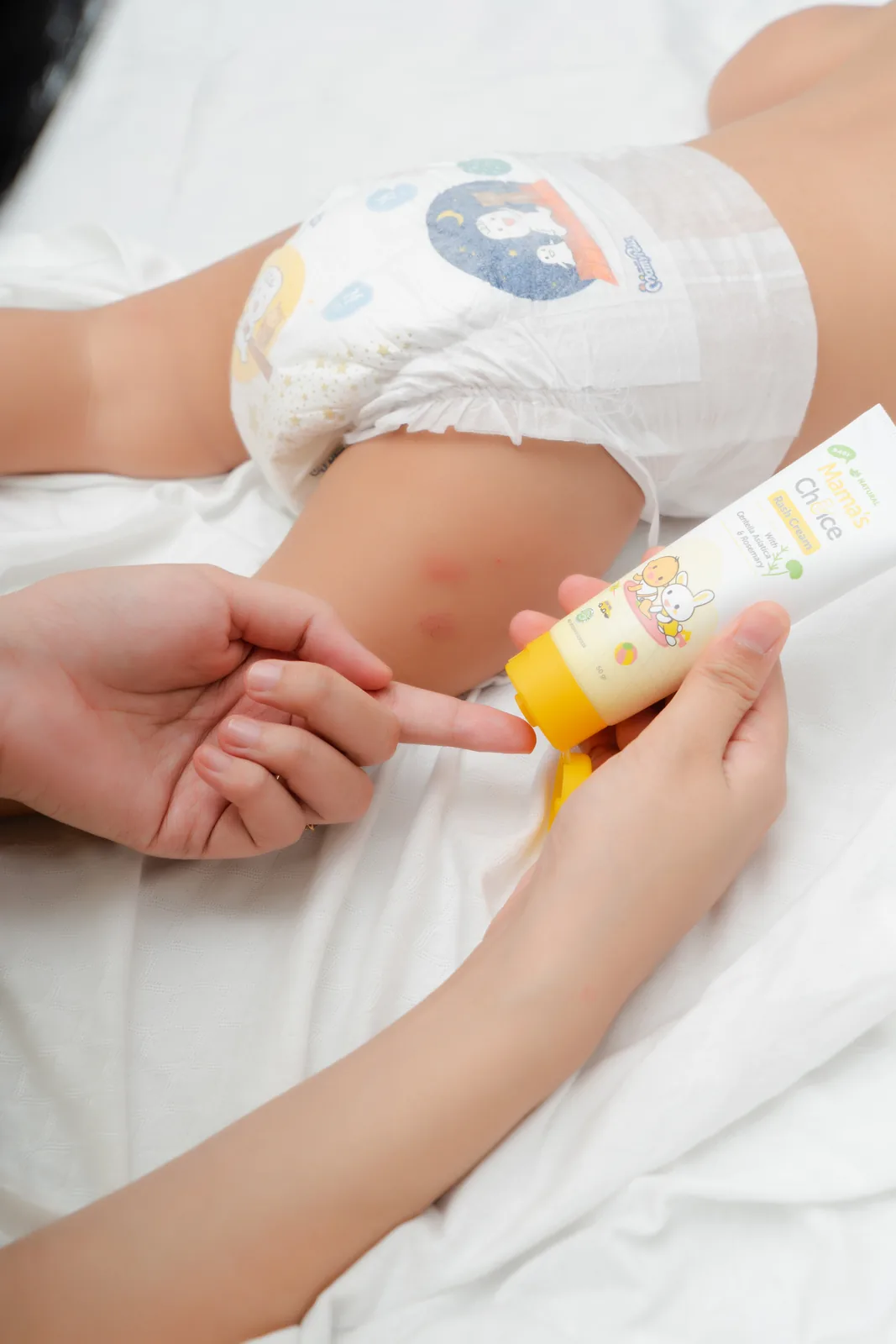
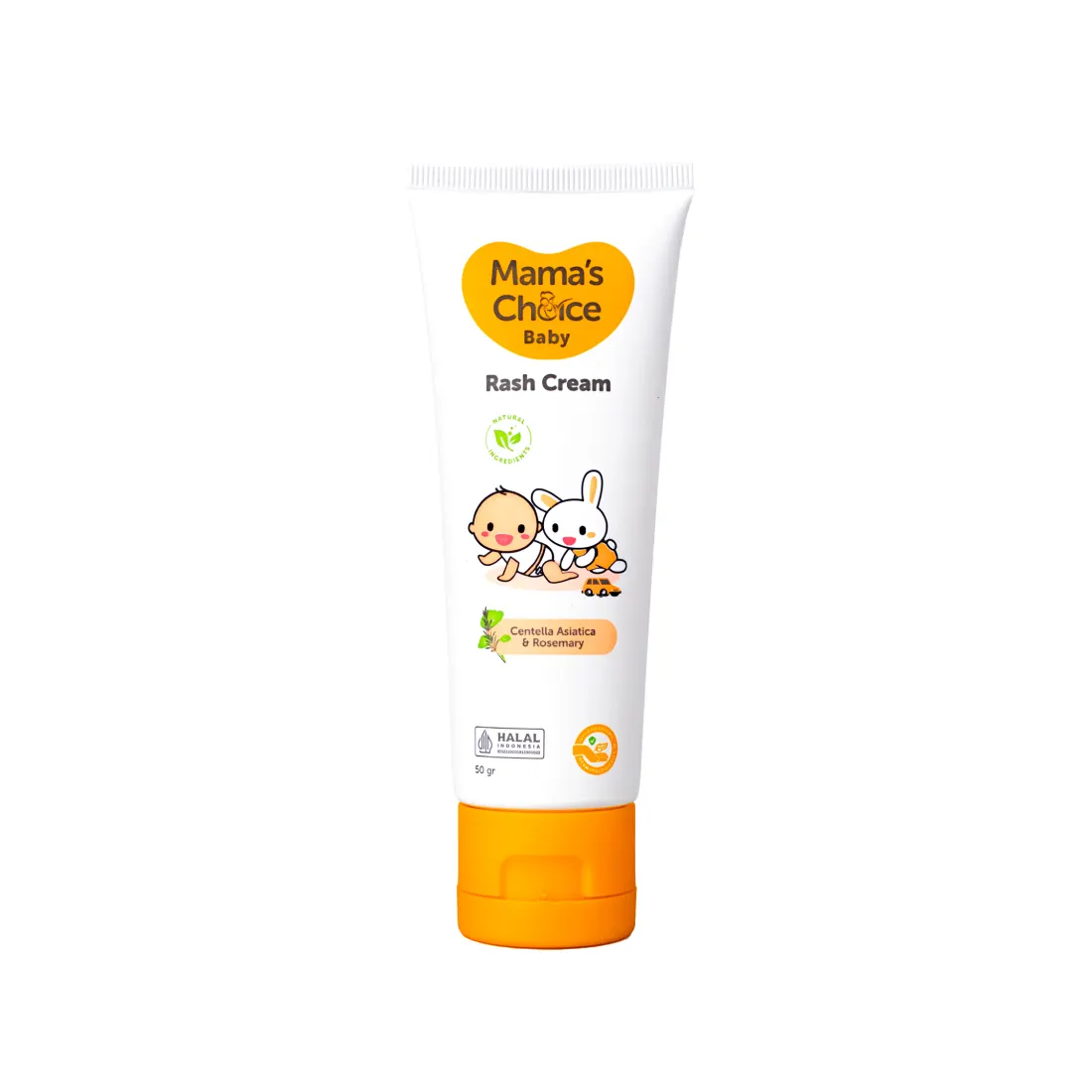
3. Rash cream. On anywhere prone to rash or heat rash, especially the nappy area, before the nappy goes on.
Mama's Choice Baby Rash Cream uses eight natural ingredients including centella asiatica.
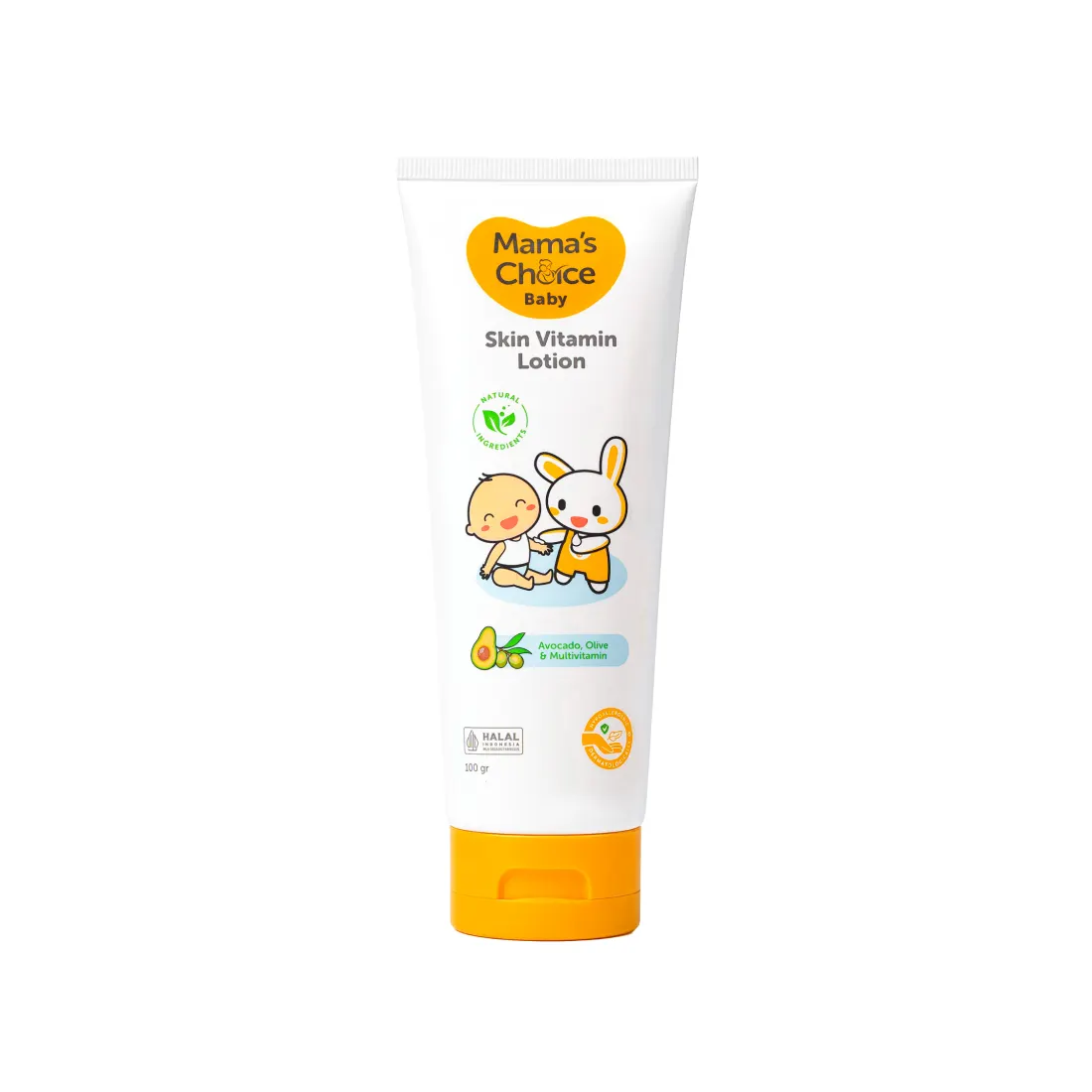
4. Body lotion. Last, over the rest of her.
Mama's Choice Baby Skin Vitamin Lotion uses avocado, olive and multivitamins C, E, B3 and B5.
What she does not need
Powder. Loose powder can be inhaled, and it is not needed to keep her dry. Drying properly with a soft towel does the same job.
Perfumed anything. Fragrance is a common cause of irritation on skin this reactive.
A long routine. Four steps after a bath, 3 times a week. That is the whole thing.
Your products. Formulations for adult skin are not made for a barrier this thin.
Cotton buds inside her ears or nose. Clean what you can see and leave the rest.
Reading a baby skincare label
- Shorter lists are easier to judge
- Check for "fragrance", which can cover a long list of undisclosed components
- Look for hypoallergenic and dermatologically tested claims that say what testing was done
- One new product at a time, so a reaction can be traced back
Patch testing works on babies too. A small amount on the inner arm, left for a day.
Things that are simply common
Nappy rash, usually friction and moisture rather than anything more complicated.
Cradle cap, the yellowish flaking on her scalp, which settles by itself over months.
Baby acne, small red or white bumps in the first weeks, clearing without treatment.
Heat rash, tiny red spots where clothing traps sweat.
Dry flaking skin in the first fortnight, as she adjusts to air after nine months in fluid.
Almost all of it passes. What helps is keeping her clean, dry and moisturised, and resisting the urge to add more products.
When to see a doctor
- A rash spreading beyond the nappy area, blistering, or oozing pus
- A rash with a fever, particularly under three months
- Skin red, hot and swollen around a rash
- Cracked skin that bleeds
- Anything not improving after several days of simple care
Fungal rashes, bacterial infection and eczema all need different treatments. More barrier cream in those cases only delays the right one.
Sources
Share this article
This article is for information only and is not a substitute for diagnosis or medical advice. Please discuss your own situation with your midwife or doctor.