Mosquito Repellent Safe for Babies: What Age Decides
Age limits decide what is safe, not the word natural. What each repellent type is cleared for, how to apply it, and what to use before two months old.

Here, mosquitoes are not a nuisance. They carry dengue and malaria, and your baby gets bitten more than anyone in the house because she cannot swat, cover up or move away.
Most people ask which repellent is safe. The more useful question is how old she is, because that decides the answer entirely.
The age limits that decide everything
Under 2 months. No repellent of any kind on her skin. Protection is a net over the cot, pram and carrier, plus clothing that covers.
From 2 months. DEET at 10 to 30%, or picaridin, used according to the label. A higher concentration only makes it last longer. It does not make it stronger.
Under 3 years. No oil of lemon eucalyptus (OLE or PMD). Plant-derived, and its age limit is stricter than DEET's, which surprises people.
Other essential oils such as citronella and lavender give short protection and must always be diluted. Undiluted essential oil never goes on a baby.
What the DEET worry is actually about
DEET gets the loudest warnings and deserves a straight answer.
The CDC states DEET is safe when used as directed, including in pregnancy. The side effect that does happen is mild irritation on sensitive skin.
The seizure reports that circulate came from misuse rather than normal use. At the right concentration, on the right age, applied to skin rather than drenched on, DEET is one of the best-studied repellents there is.
DDT is an entirely different substance, an insecticide banned since the 1960s. It comes up only because the two names look alike.
"Natural" is not the same as "safe"

Citronella oil is the best-known natural repellent and in the right formulation it works. Its weakness is duration. Protection is short and needs reapplying far more often than anyone actually does.
Effectiveness and safety cannot be generalised across essential oils. Some protect for a fraction of the time. Some irritate sensitive skin. The CDC's line is to use repellents with demonstrated effectiveness, applied as directed.
Rubbing crushed cloves or lime onto her skin is a habit worth dropping. It has not been shown to work, and it can irritate.
Applying it without causing a problem
- You apply it, never her
- Never spray at her face. Put it on your own palms and wipe it on
- Not on her hands, which go into her mouth
- Away from her eyes, mouth, cuts and irritated skin
- On exposed skin and clothing only, not under clothes
- Wash it off with soap when you get home. It does not need to stay on overnight
Do not buy combined sunscreen-and-repellent products. Sunscreen needs reapplying every two hours and repellent does not, so you end up overexposing her to one of them.
Protecting the room instead of her skin
The most effective measures never touch her at all.
A net over the cot, especially for daytime naps in open rooms.
Screens on windows and doors.
Empty standing water weekly. Flower pots, buckets, gutters, pet bowls. Dengue mosquitoes breed in clean standing water, often indoors.
A fan. They struggle to fly against moving air. Point it away from her rather than at her.
Light-coloured covering clothes. Dark colours attract more attention.
Coils and room sprays are best avoided in a closed room with a baby. If you use one, light it well in advance, ventilate, and wait for the smoke to clear.
When they are biting
Dawn and dusk, and after rain.
Aedes aegypti, the dengue mosquito, is the exception and bites during the day. So when children are playing outside, keep them away from standing water, undergrowth and bins.
After a bite
A cold compress, and stopping her scratching. Scratching that breaks the skin is the main cause of infection and of the dark marks that linger for months.
Mama's Choice Baby Skin Vitamin Lotion helps keep skin moisturised while a bite settles. In a 2022 consumer use test (n=29), 86% of Mamas saw bite marks and redness reduced.
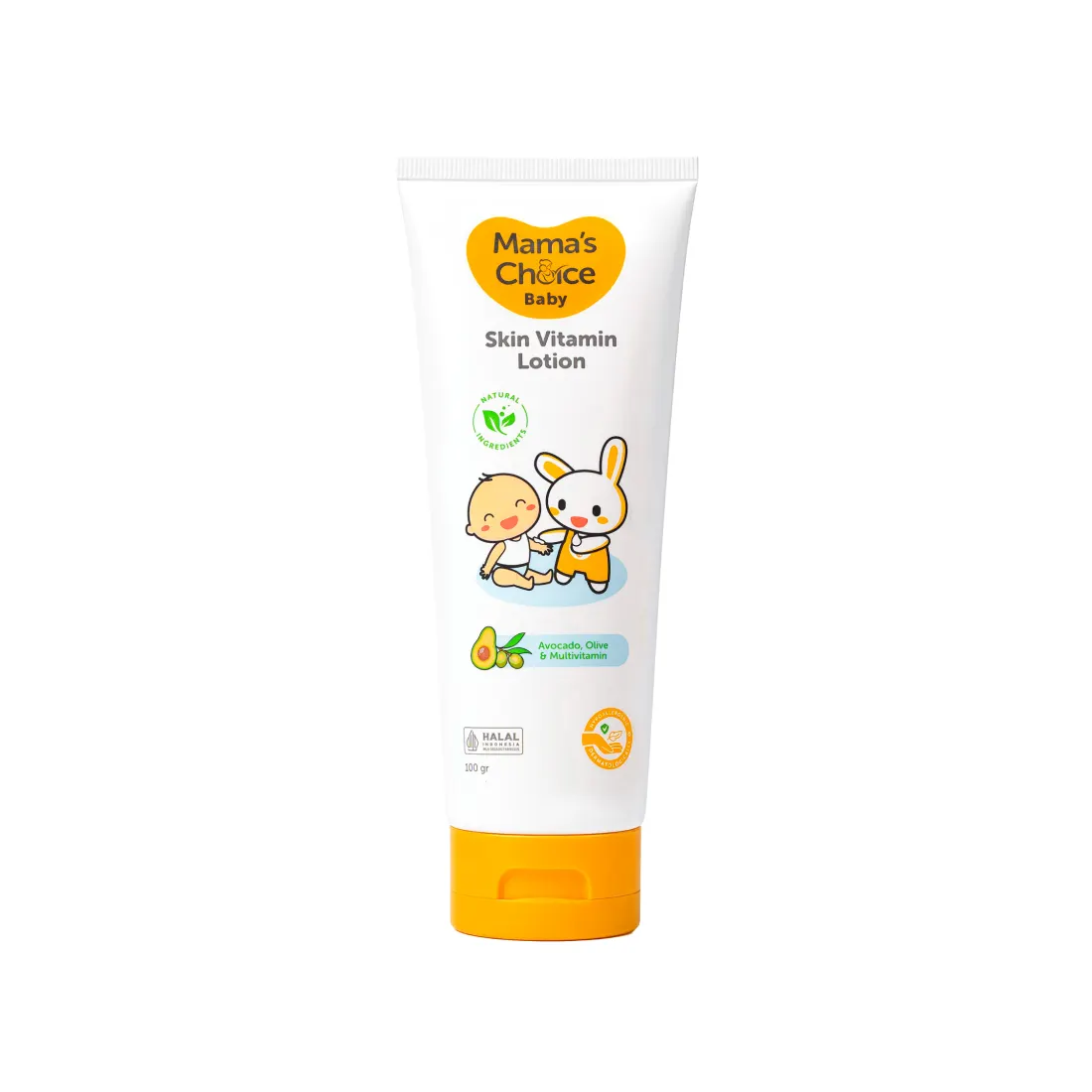
That comes from an internal consumer use test rather than a clinical trial. Results vary between babies.
When a bite needs a doctor
Go promptly if a fever appears within two weeks of a bite, particularly with lethargy, a red rash, nosebleeds or bleeding gums.
Also if a bite swells widely, feels hot, oozes, or she is very unsettled and hard to rouse.
Dengue and malaria are both mosquito-borne, and in babies both can turn quickly.
Sources
Share this article
This article is for information only and is not a substitute for diagnosis or medical advice. Please discuss your own situation with your midwife or doctor.