Five Causes of Stretch Marks and What Follows From Each
Genetics, rapid weight change, steroids, muscle gain and pregnancy. What each one does to skin, and which of them you can do anything about.
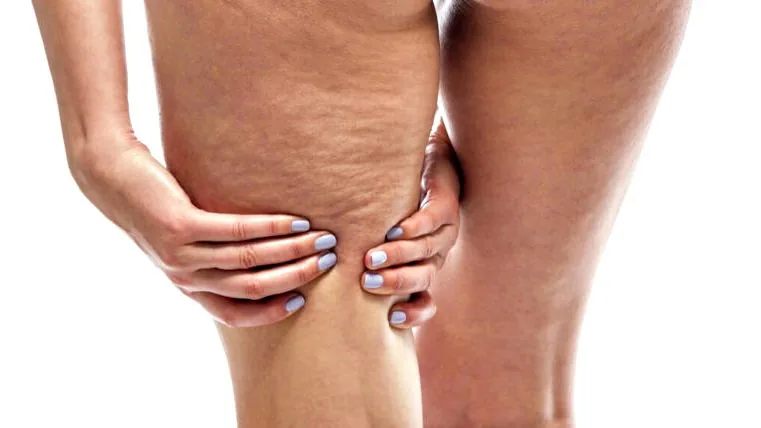
Every one of them works the same way underneath: skin stretched faster than the dermis can adapt, tearing the collagen and elastin that hold it together.
What changes is what drove the stretching, and how much of that was ever yours to control.
1. Genetics
The big one, and the one nobody wants to hear.
If your mother or grandmother had them, your odds are considerably higher. That inherited difference in how skin holds together explains most of why two people who eat the same food, gain the same weight and use the same cream end up with completely different bellies.
Nothing in a bottle changes it. So manage your expectations rather than blame yourself, because a good deal of this was settled before you started.
2. Weight changing quickly
Direction does not matter. Gaining fast and losing fast stress the skin identically.
Speed matters far more than size, which is why a slow gain of ten kilos can leave less behind than a fast gain of four. Months give skin time to adapt. Weeks do not.
Where that is within your control, gradual is kinder. That is not a reason to restrict food in pregnancy. Gaining weight then is expected, and it is what your baby needs.
3. Steroid medication
Steroid creams used month after month thin the skin, which makes tearing easier. Oral steroids do it from the inside.
Avoid long stretches of steroid cream without medical advice. A prescribed course for a real condition is still worth taking. The caution is about open-ended use, not about treatment.
4. Building muscle
Muscle stretches skin too. Training that adds size quickly pulls the skin over it, usually on shoulders, upper arms, chest and thighs.
Marks from training tend to stay even after you stop. Building more gradually lowers the odds of getting them at all.
5. Pregnancy
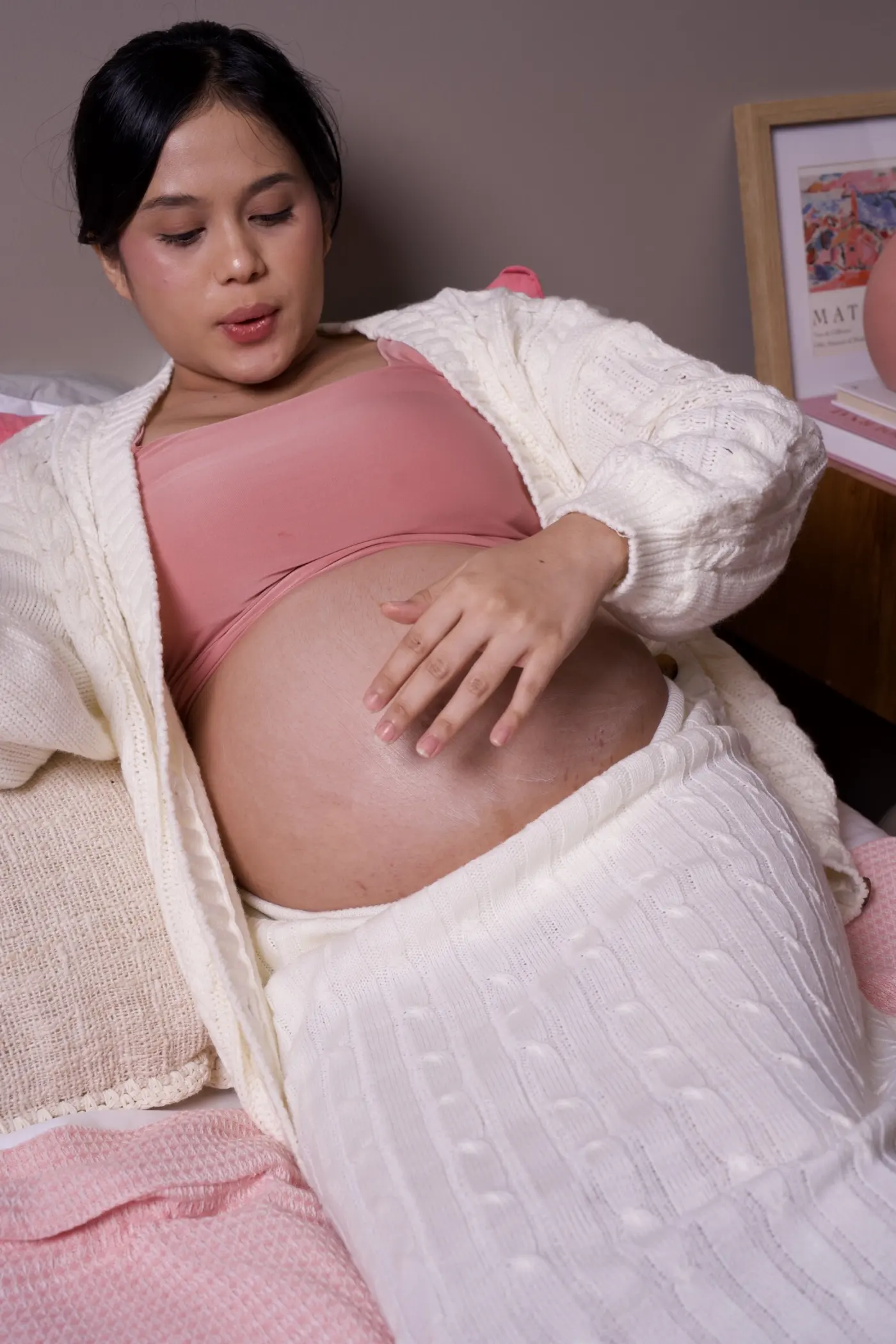
Your belly grows fastest in the second and third trimesters, alongside changes to breasts, hips and thighs. Twins, a bigger baby or more amniotic fluid all speed it up.
Hormones loosen the bonds between collagen fibres at the same time, so your skin is more prone to tearing exactly when it is being stretched hardest.
This is the one cause where starting early clearly helps, because you know roughly when the fastest stretching is coming.
Can they be removed
No.
You can make them less noticeable.
Fresh marks, red or purple, still have blood supply and respond better to whatever you do. White ones are settled scar tissue and respond far less.
That difference is the whole argument for starting early, and the reason Mamas who begin late feel let down by products that were never going to do more.
What actually helps
Moisturise consistently, twice a day, ideally on damp skin after a shower, massaged in rather than smeared.
Do not scratch skin that itches while it stretches.
Keep fresh marks out of direct sun, because the contrast deepens with UV.
Eat for collagen. Enough protein, vitamin C and zinc.
Start early and keep going, through the months after the birth.
The limit, said once: no moisturiser has been shown to prevent stretch marks. What good care gives you is comfort while your skin stretches, and a softer result afterwards.
The products
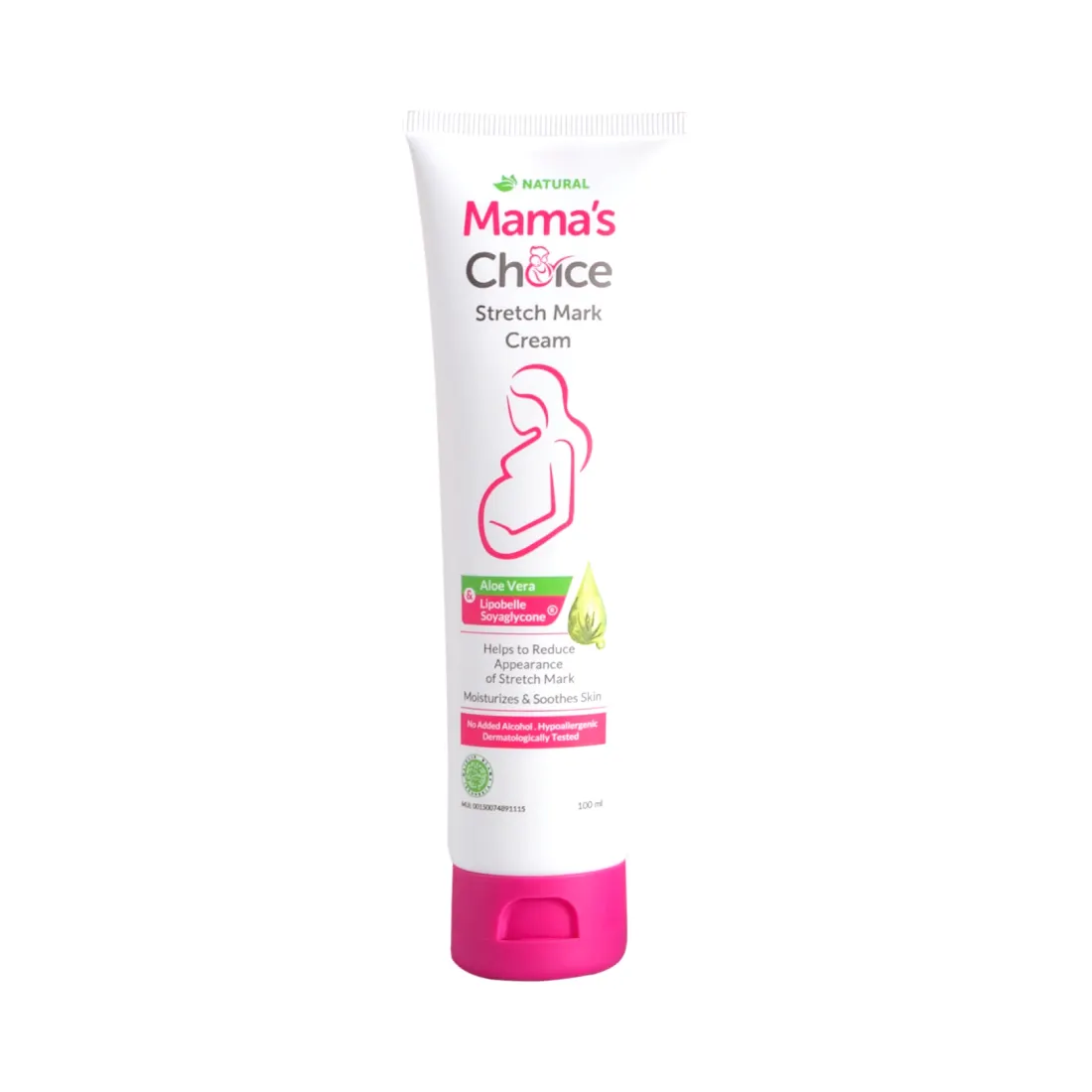
Mama's Choice Stretch Mark Cream is the daily layer, with Lypobelle Soyaglicone, aloe vera and shea butter.
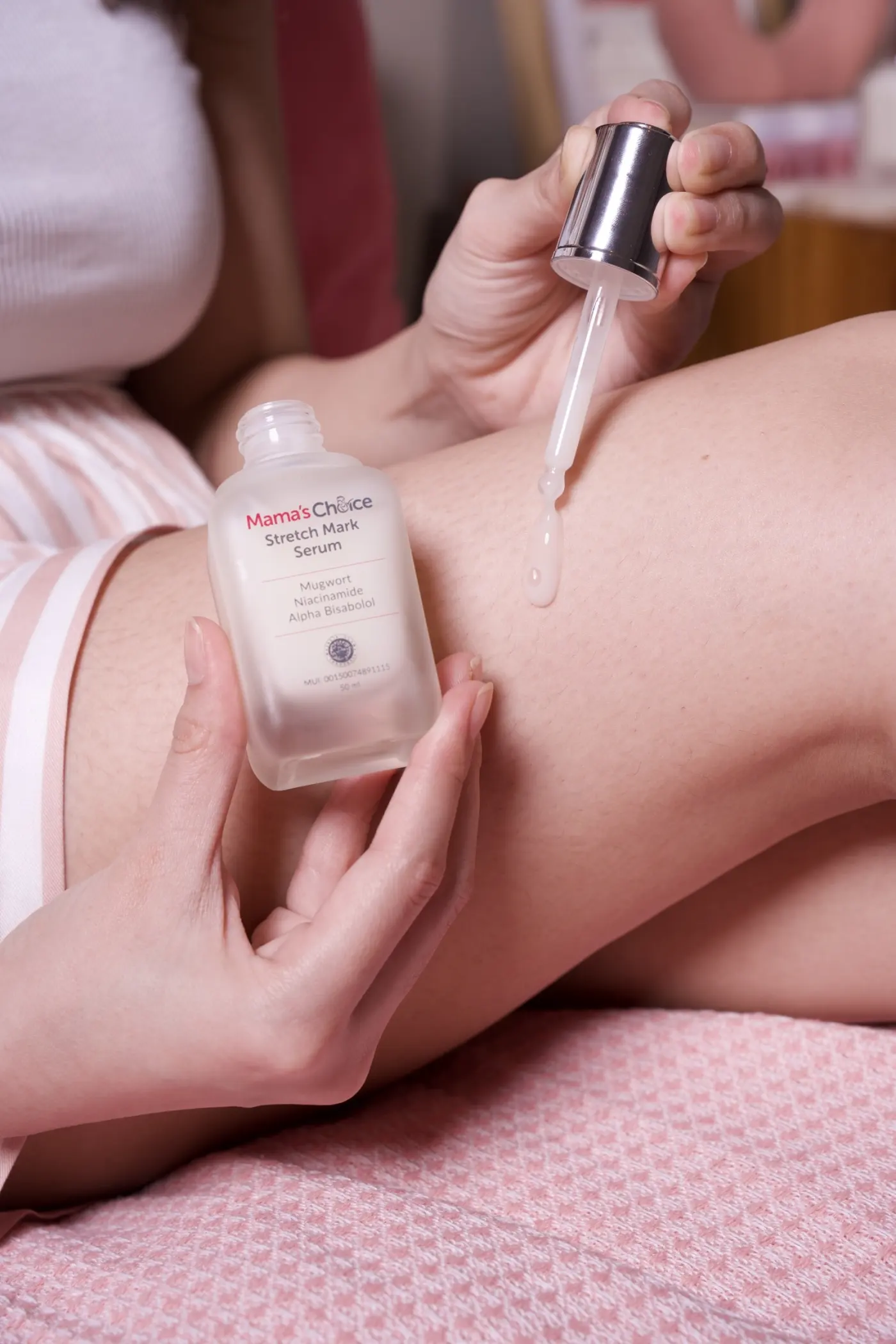
Mama's Choice Stretch Mark Serum is lighter and aimed at marks already there, with alpha bisabolol, mugwort and niacinamide.
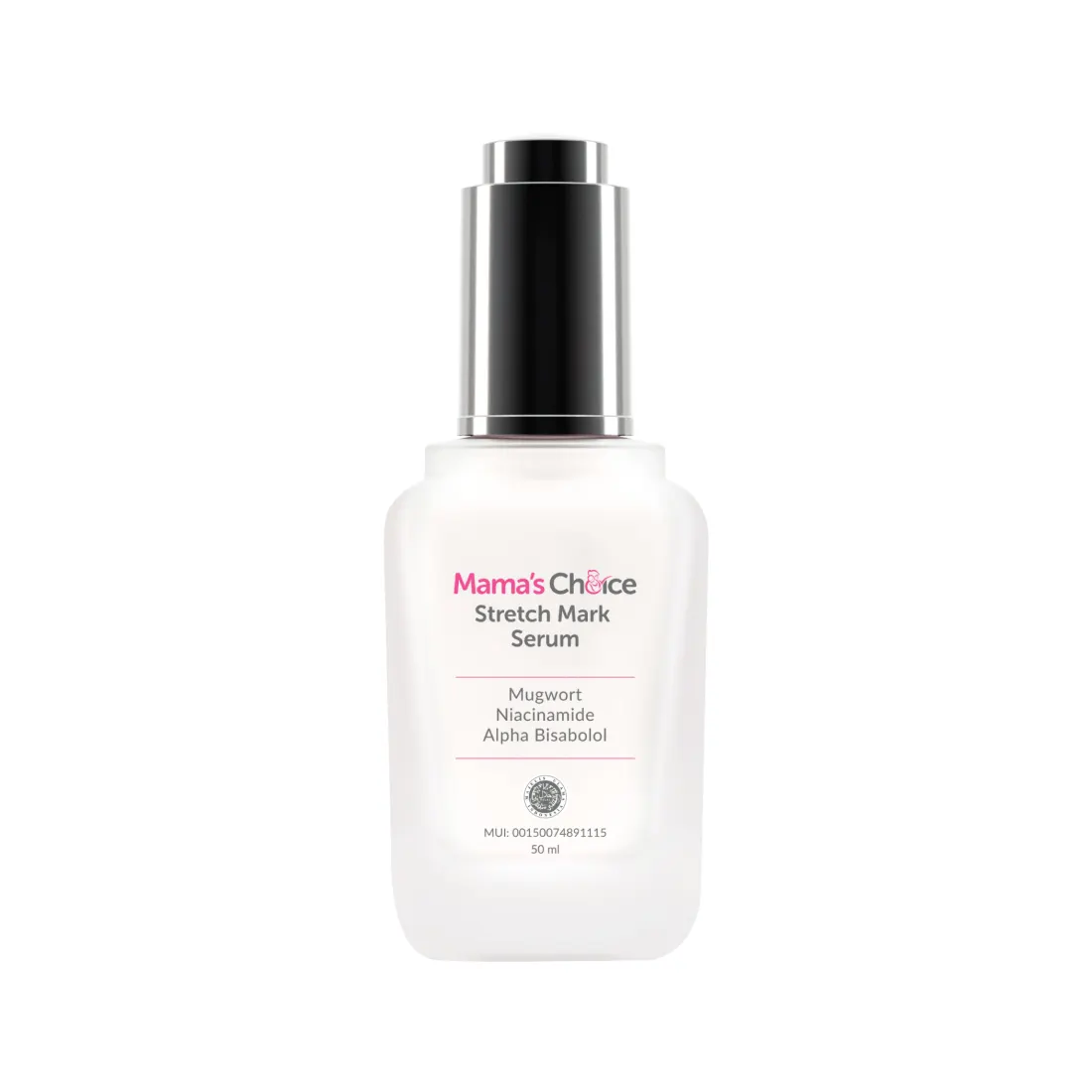
Both made for use during pregnancy and breastfeeding.
Once pregnancy is behind you
Laser, microneedling and chemical peels are all used in dermatology practice. Each improves appearance rather than removing anything, each needs several sessions, and each is usually postponed until after breastfeeding. None is a shortcut.
When to see a doctor
- Marks appearing very fast and widely with no weight change
- Skin that feels unusually thin and bruises easily
- Marks that are painful, warm, or ringed with spreading redness
- Weight gathering on your trunk and face
That combination can point to a hormonal condition that deserves assessment in its own right.
Sources
Share this article
This article is for information only and is not a substitute for diagnosis or medical advice. Please discuss your own situation with your midwife or doctor.