Brightening Cream in Pregnancy: How to Judge One
How to judge a brightening product from its ingredient list, what the claims can honestly mean, and the checks worth doing before buying.

The jar promises visible results in seven days, and it costs less than lunch.
Brightening creams are among the least well regulated products on the shelf, and pregnancy is exactly when Mamas start buying them.
What the word can honestly mean
"Brightening" can fairly mean more even tone, more hydration, less dullness. All of that is achievable.
It cannot fairly mean a change to your underlying skin tone. No cosmetic does that.
A product promising visible lightening within days is either overstating itself or containing something that should not be in there.
Four checks, in order of importance
Check the registration. For anything promising fast results this is the one that matters. Unregistered creams sold online still routinely turn out to contain mercury.
Mercury in skin creams damages kidneys and nerves, and it crosses the placenta. Checking a product on the BPOM website takes about a minute, and it is the minute most worth spending.
Read the first five ingredients. They are listed by concentration, so the first five are most of what you are buying.
Watch for retinol, retinyl palmitate, tretinoin, adapalene, all retinoids and all avoided in pregnancy. Also hydroquinone, usually postponed, and salicylic acid at high concentration.
Look for the word "fragrance". It can hide phthalates, and it irritates skin that has turned reactive.
Check the little open-jar symbol. The number is months after opening. A short window is fine, as long as you finish it inside that window.
What can be in there instead
Niacinamide, which evens tone and settles redness, and is considered safe.
Vitamin C, for collagen and tone.
Rice extract, for hydration and tone.
Hyaluronic acid, which holds water in the skin. Well-hydrated skin looks brighter, and that is the honest mechanism behind most glow claims.
Azelaic acid, useful for pigmentation and breakouts both, and one of the more genuinely useful actives available to you right now.
Sunscreen beats all of it
For melasma and darker patches, nothing in a jar matches sun protection.
Pigment deepens with UV and settles when it is limited. A brightening cream used without daily sunscreen is working against a tide, and usually loses.
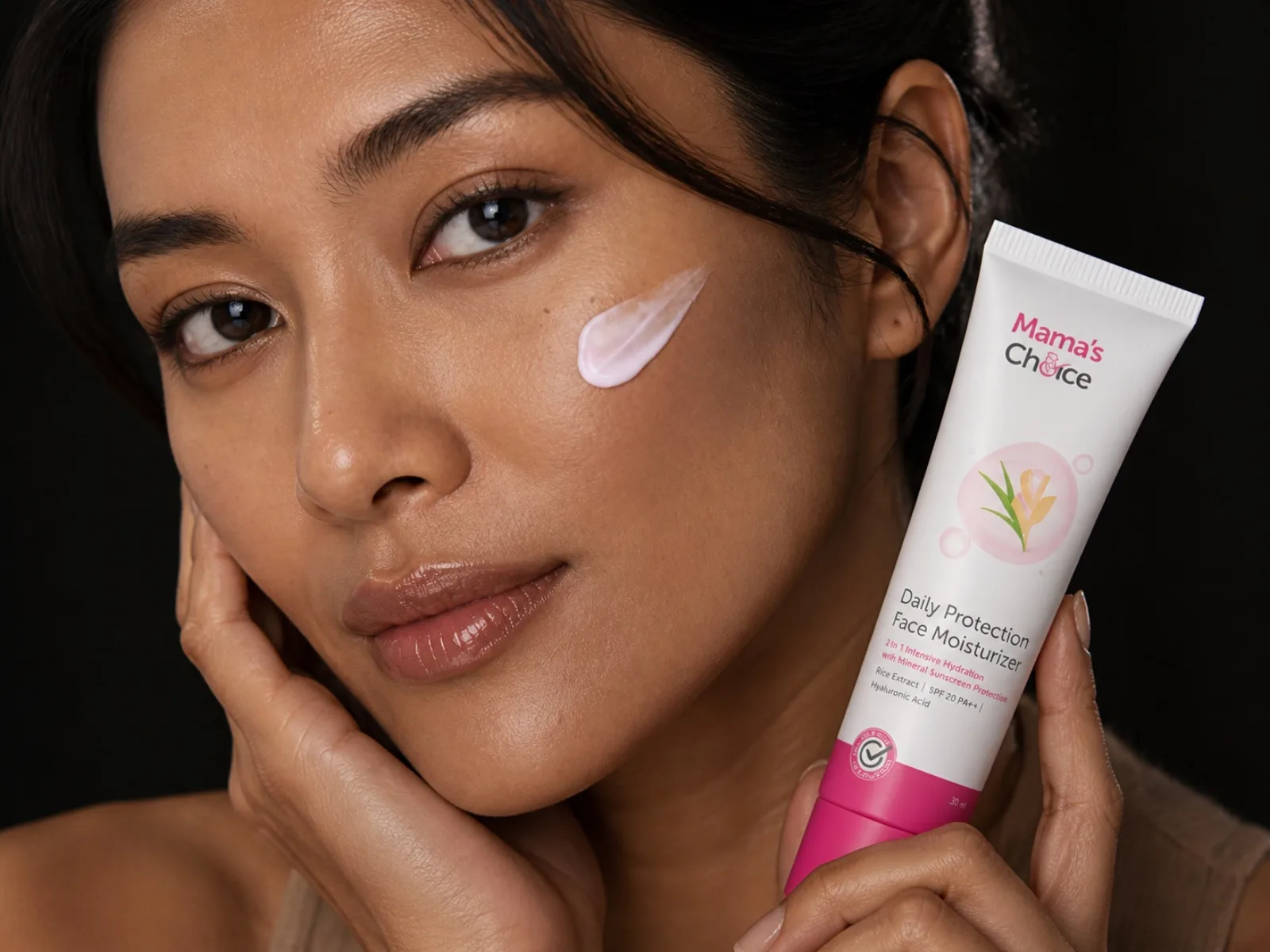
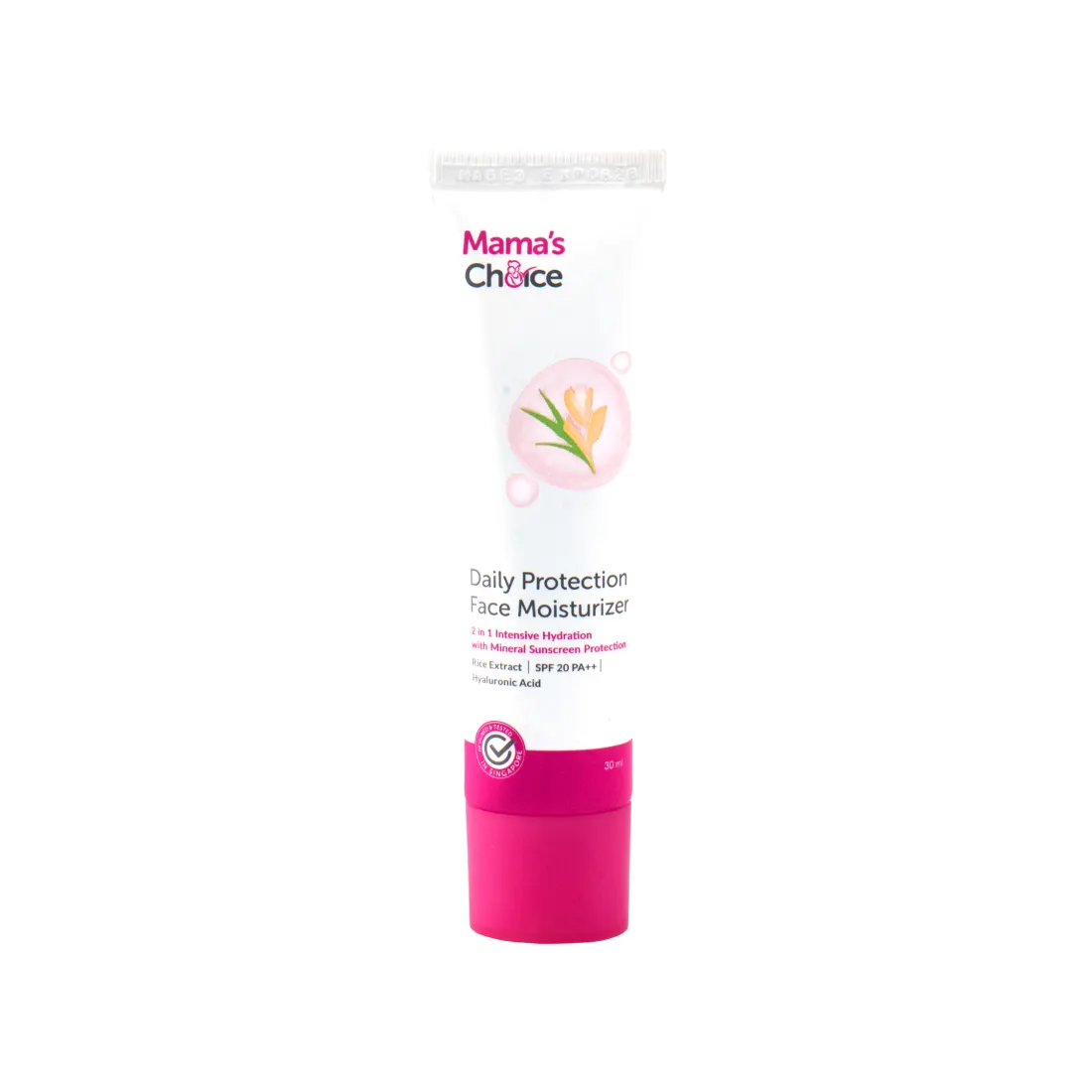
Daily Protection Face Moisturizer SPF 20 PA++ puts a moisturiser and a mineral sunscreen in one step.
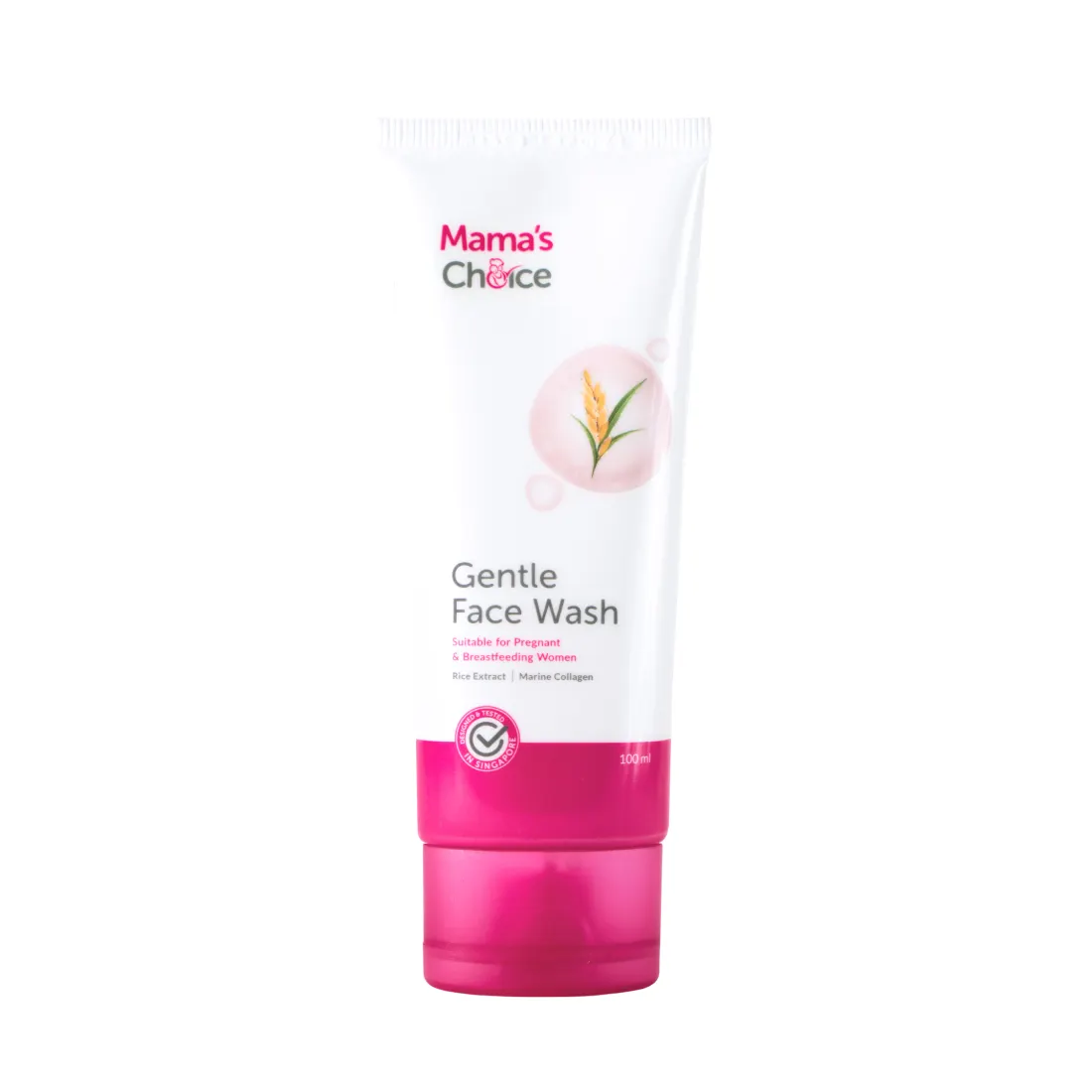
Gentle Face Wash handles the cleansing on a mild base.
Why the patches are there at all
Understanding this makes the claims much easier to judge.
Oestrogen and progesterone stimulate melanocytes, your pigment-producing cells. UV then pushes those same cells harder.
That is the whole mechanism. It explains why this is so common in pregnancy, why it deepens in sunny months, and why it fades after the birth with no product involved at all.
No cream switches off the hormonal half. It can support tone and hydration while that half runs its course.
Translating the claims
| What it says | What it usually means |
|---|---|
| "Visible results in 7 days" | Hydration, which does brighten skin, temporarily |
| "Clinically tested" | Ask what test, how many people, against what |
| "9 in 10 women saw a difference" | A satisfaction survey, reporting impressions |
| "Whitens skin" | Not a thing a cosmetic does |
| "Fades dark spots" | Achievable, over months rather than days |
None of these makes a product bad. They separate a fair claim from an inflated one, which is what reading a label is for.
Which products deserve your attention
A brightening cream sits on your face all day. That puts it near the top of the list worth reading carefully, alongside body lotion, sunscreen and deodorant.
A cleanser rinsed off in thirty seconds is near the bottom.
Spending your attention that way is more realistic than trying to vet everything equally, which nobody sustains.
Starting something new
- Patch test on your inner arm for two days
- One product at a time
- Six to eight weeks before you judge it, because that is how long skin takes to turn over
- Stop if redness, heat or itching appears
Your skin is more reactive now, so something that suited you last year may not.
After the birth
Most pigment changes fade over the following months as hormones settle. Melasma can take six months to a year.
If it persists, treatment works, usually starting after breastfeeding when the full range of actives is available to you again.
When to see a dermatologist
- Patches still there several months after the birth
- Pigmentation spreading despite daily sunscreen
- Any patch that is one-sided, raised, or changing shape
- A reaction to a product that has not settled in a few days
Sources
Share this article
This article is for information only and is not a substitute for diagnosis or medical advice. Please discuss your own situation with your midwife or doctor.