Breastfeeding With Covid: What the Guidance Says
Current guidance is to keep breastfeeding, with precautions. What the evidence says, what those precautions are, and what to do if you are too unwell to feed.
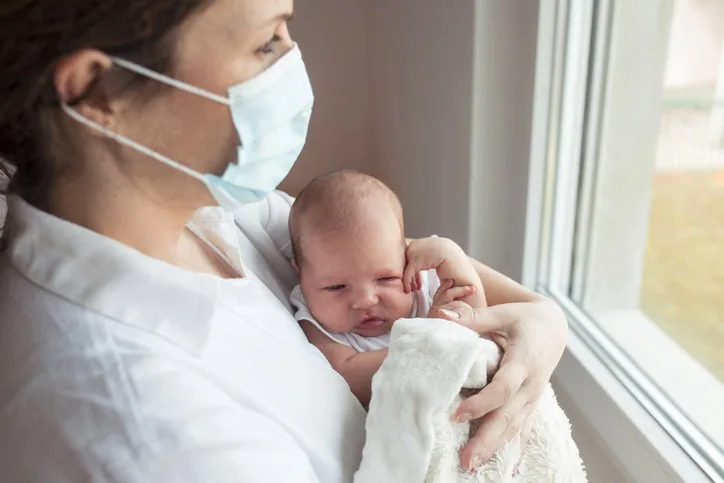
You have tested positive, you feel awful, and the first thing you want to know is whether you have to stop feeding her.
You do not. WHO and the CDC have both said so for years now.
Why they say carry on
Your milk carries antibodies. Having met an infection, you pass protection against it to her through your milk, which is exactly why feeding through an illness is recommended rather than paused.
The virus has not been shown to pass through breast milk. The risk comes from droplets and closeness, which is what the precautions below are for.
Stopping takes away the protection without touching the thing that actually creates the risk.
The precautions
If you have Covid or symptoms of it, and you are well enough to feed:
- Wear a well-fitting mask while feeding and whenever you are near her
- Wash your hands with soap for 20 seconds before touching her, and before touching pump parts
- Wipe down surfaces you have touched, especially around where you feed
- Cover coughs and sneezes, then wash your hands again
- Keep the room ventilated
The mask is for you. Never put one on a baby. Under two, never.
If you are too ill to feed her yourself
That is a practical problem, not a reason to stop breastfeeding.
Express, by hand or with a pump, and have someone who is well give it to her. Expressing also keeps your supply going, which matters if this runs for a week.
Wash your hands before touching pump parts, and clean everything that touches milk after each use.
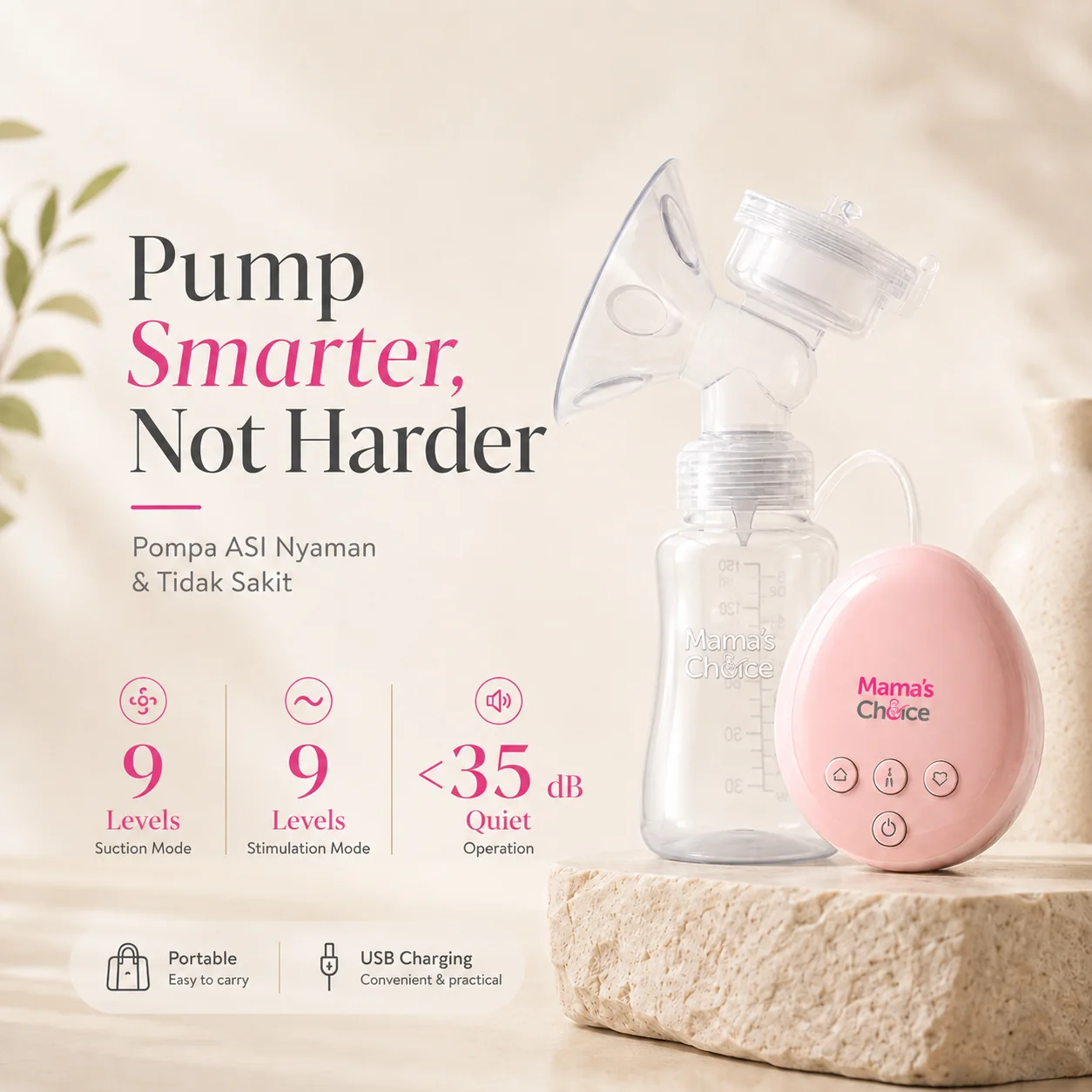
Mama's Choice Electric Breast Pump makes repeated expressing less punishing when you have no energy.
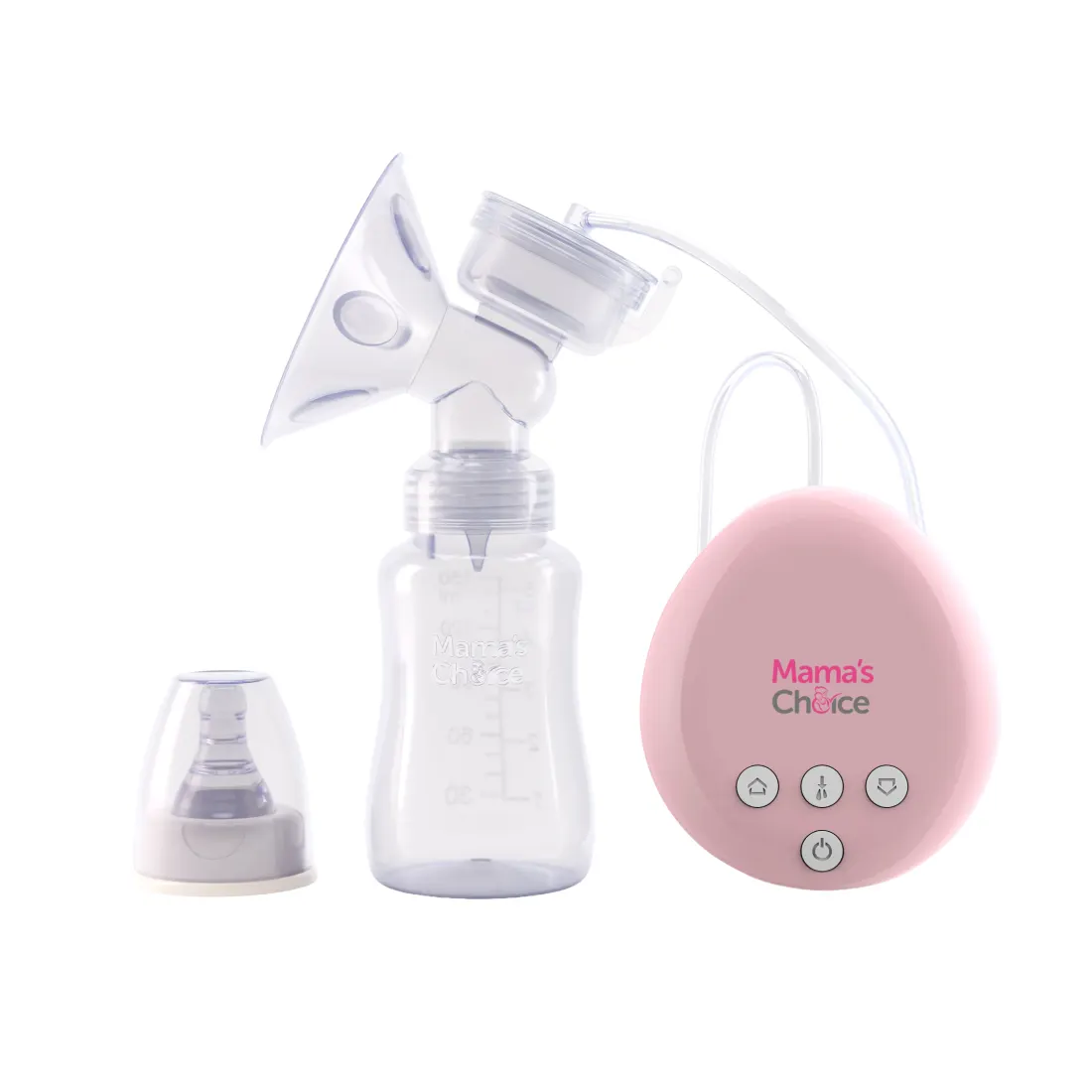
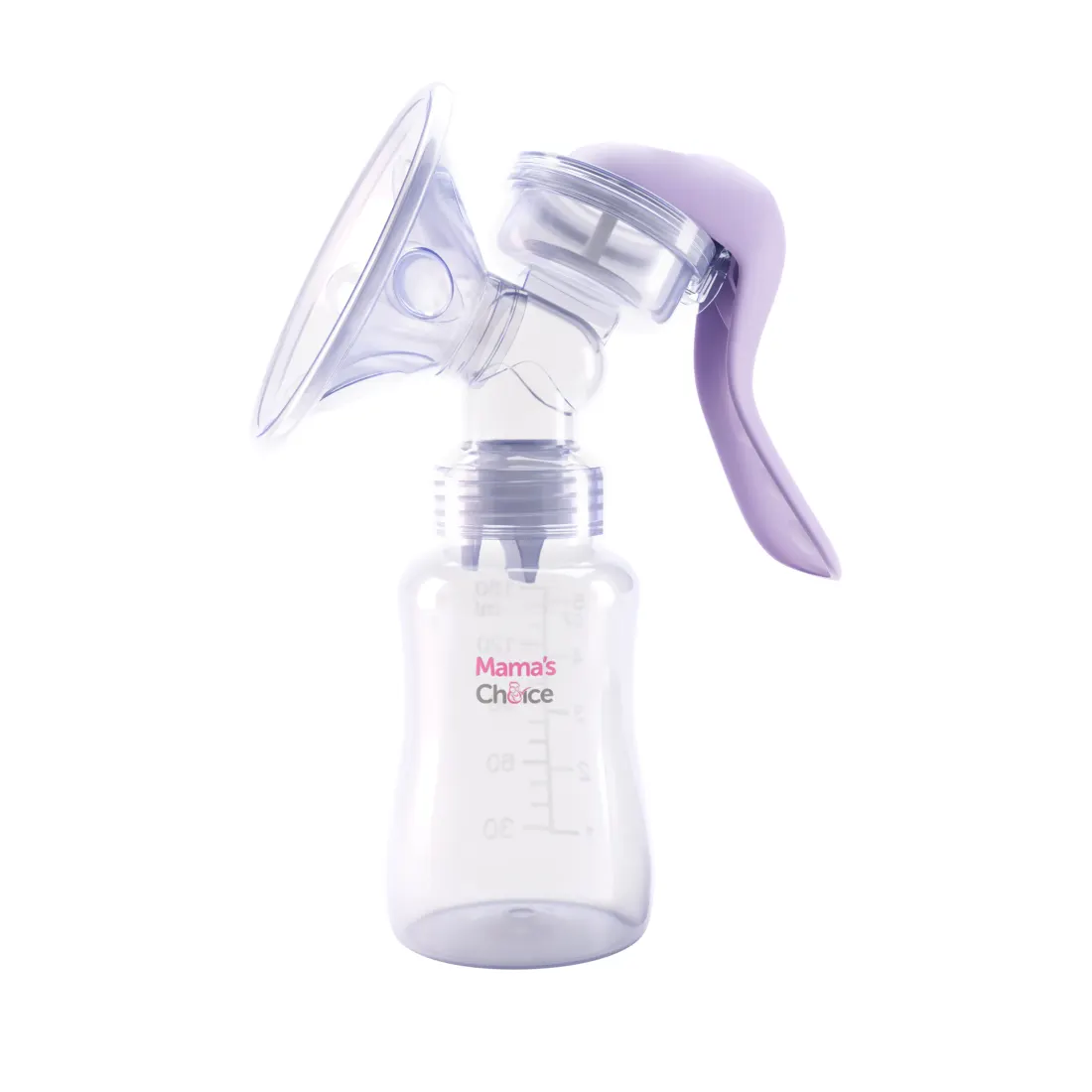
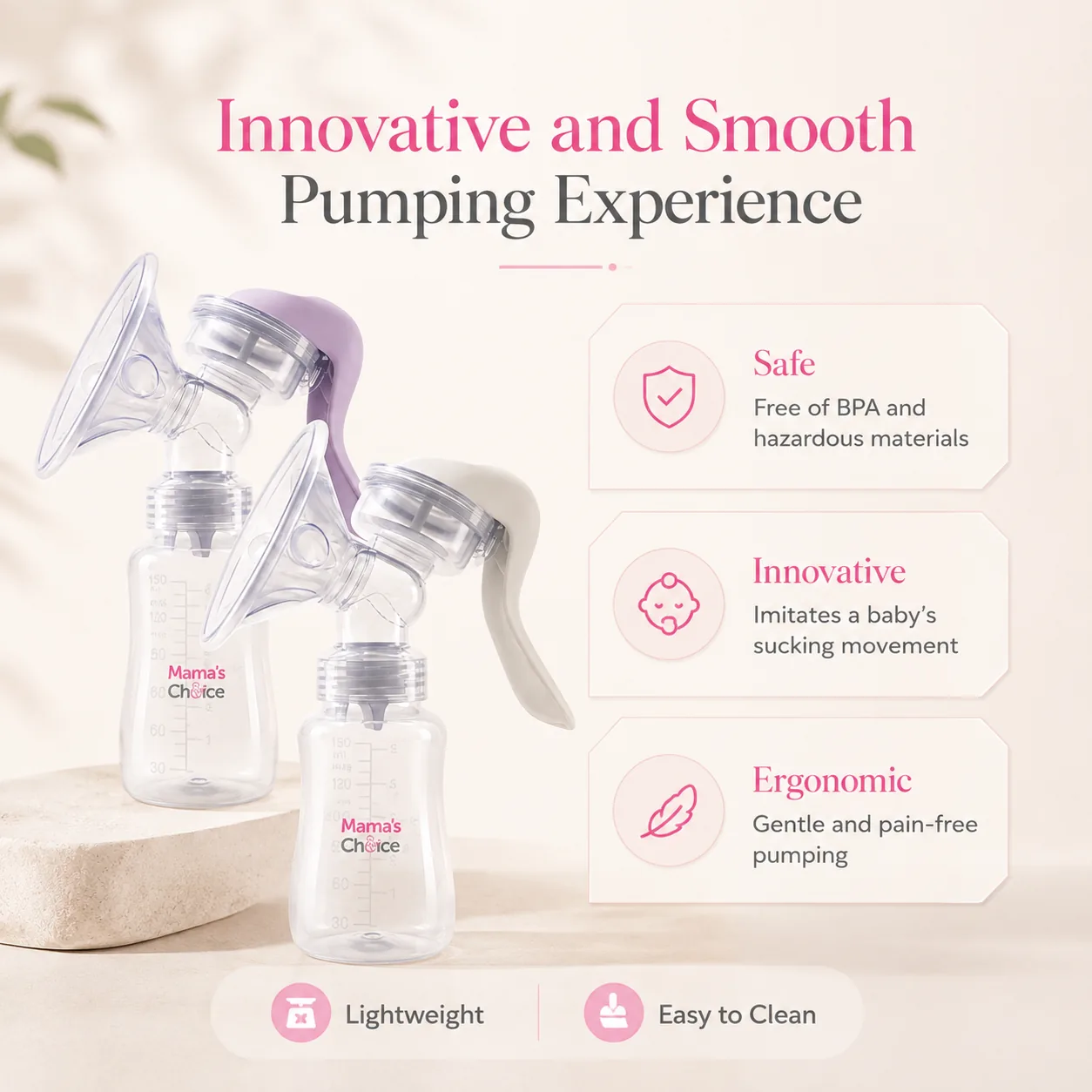
A manual pump is simpler if you are only expressing now and then.
Four things people will tell you that are wrong
Your milk does not need sterilising or heating because you have Covid. Handle expressed milk exactly as usual.
You do not need to be separated from her. WHO is explicit about keeping you together. The harms of separation to feeding, bonding and her development are immediate and real, while the transmission risk is handled by the precautions above.
Your medication is probably fine. Most treatments used for Covid are compatible with breastfeeding. Ask the specific question rather than assuming the worst and stopping.
Vaccination is compatible too, and the antibodies from it turn up in your milk.
Keeping your supply through it
Being ill can dent supply for a while, mostly through dehydration, no appetite and exhaustion rather than the infection itself.
- Keep water within reach of wherever you are lying
- Eat what you can face, even if it is not what you would normally choose
- Feed or express as often as you can manage
- Let someone else do everything that is not feeding
Supply usually recovers within days of you feeling better, as long as the breast kept being emptied.
Feeding her when you can barely sit up
Nobody writes this part down, and it is most of the week.
Feed lying down on your side, with her facing you, if sitting up is too much. Get someone to settle her back afterwards.
Set up where you are. Water, snacks, muslins, phone, all within reach of the bed. Getting up is the expensive part.
Let the house go. Nothing on the floor matters this week.
Take the paracetamol. Untreated fever and aching make everything harder, and it is compatible with breastfeeding.
If there is nobody to help and you are struggling, say so to your midwife or GP rather than waiting to see whether it improves.
What about the older children
If you have a toddler as well, keep the same precautions with them: mask, hand washing, ventilation.
You cannot realistically keep a two-year-old at a distance, and trying to will exhaust you. Do the parts that work and let go of the parts that do not.
Get help if
For you:
- Breathlessness, chest pain, or not being able to finish a sentence
- A fever that will not come down
- Confusion, or struggling to stay awake
For her:
- A fever in a baby under three months. Always urgent, no exceptions
- Fast or laboured breathing
- Refusing feeds, or noticeably fewer wet nappies
- Unusually floppy, or hard to wake
Babies generally cope with this better than anyone expects. The under-three-months fever rule still holds no matter how mild everything else looks.
Sources
Share this article
This article is for information only and is not a substitute for diagnosis or medical advice. Please discuss your own situation with your midwife or doctor.