Breastfeeding While Pregnant: Is It Safe?
For most healthy pregnancies, yes. The side effects to expect, the situations where a doctor may advise stopping, and how supply and taste change.

You are pregnant, your toddler still feeds, and somebody has told you that you have to stop.
In most healthy pregnancies, you do not.
The worry is oxytocin: the hormone released when you feed also makes your uterus contract. In an uncomplicated pregnancy those contractions are mild and are not associated with preterm labour.
That is the general position. The exceptions matter, so here they are first.
When a doctor may tell you to stop
- A history of preterm birth
- Bleeding in this pregnancy
- Twins or more
- Advice to avoid intercourse for pregnancy reasons, which usually reflects the same caution
- Poor weight gain, in you or in the older child
This is a conversation with your midwife or obstetrician, not a decision to take from an article. Circumstances differ and so does the advice.
What it is actually like
Sore nipples
The most common complaint by a distance, and it is hormonal rather than a latch problem. Pregnancy makes nipples tender, and a toddler on tender nipples is miserable.
Shorter feeds help, so does changing position, so does a nipple cream. Mama's Choice Intensive Nipple Cream is food grade, so it does not need washing off before the next feed.

Nausea and exhaustion
Feeding while nauseated is hard, and some Mamas find feeding sets the nausea off directly, especially in the first trimester.
Eating something small before a feed helps more than most of the advice you will be given.
Mild contractions
Expected, and not a sign of trouble in an uncomplicated pregnancy. Contractions that turn regular, painful, or arrive with bleeding need checking.
Your milk changing
Supply usually drops in the second trimester, and around mid-pregnancy your milk gradually turns back to colostrum, ready for the new baby.
The taste changes with it. That is why a good number of toddlers wean themselves around this point, and it is a natural ending rather than a rejection of you.
Eating for two demands at once
Pregnancy and breastfeeding each raise what your body needs. Doing both raises it further.
- Enough calories. This is not the moment to eat lightly
- Iron, which both draw on
- Calcium, same
- Fluids, easy to forget with a toddler attached to you
- Protein at every meal, which is easier to manage than remembering a supplement
Mama's Choice Almond Milk Powder mixes in a minute, which counts on the days cooking does not happen.
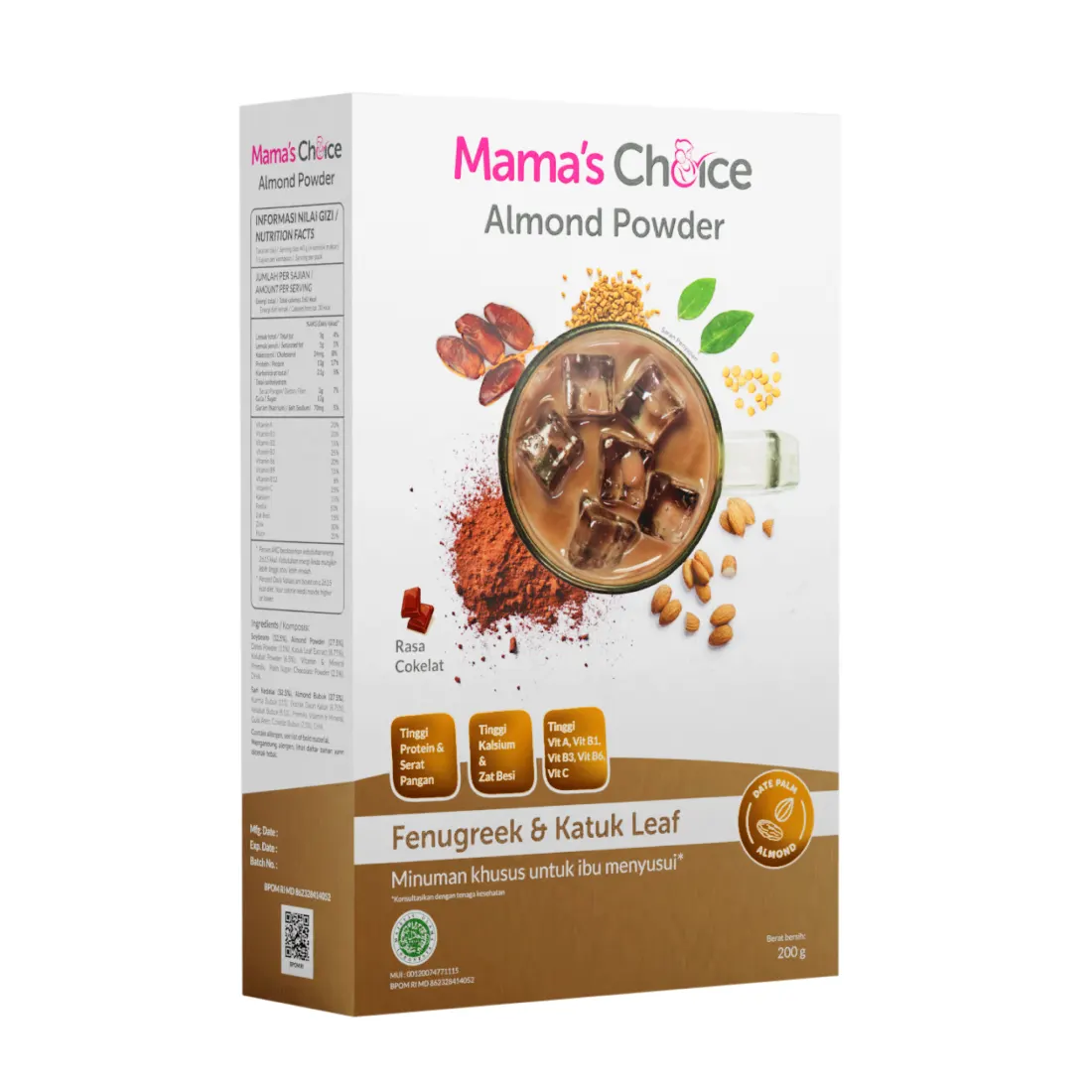
Satisfaction figures on the product page come from internal consumer surveys, not clinical trials.
How your toddler may take it
Different children respond differently, and none of the responses is a problem to solve.
Some wean themselves at mid-pregnancy, when the taste shifts.
Some feed less, because there is less to be had.
Some carry on exactly as before, entirely unbothered.
Some ask more often, particularly if they have worked out something is changing at home.
If you want fewer feeds without stopping altogether, shortening them and offering something else at the usual time works better than saying no outright.
If you do decide to wean
Slowly is easier on both of you. Dropping one feed every few days lets your supply adjust and lowers the risk of a blocked duct.
The bedtime feed is usually the last to go. There is no prize for rushing it.
Signs you are going too fast: a tender lump, redness, or a fever. That is a blocked duct or mastitis. Slow down, and see someone if it does not clear.
Feeding both after the birth
Tandem feeding is possible and reasonably common.
Two practical things. The newborn feeds first, because colostrum is what she needs. And your supply adjusts to the combined demand within days rather than being fixed at what you have now.
Looking after yourself in all this
Pregnancy nausea, a feeding toddler and broken sleep at once is genuinely demanding, and it usually gets treated as unremarkable.
- Sit down to feed instead of doing it while managing something else
- Eat before feeds where the nausea allows
- Ask for help with the parts that are not feeding
- Treat rest as part of the work, not a reward for finishing it
If the exhaustion turns into low mood or anxiety lasting more than a fortnight, that is worth raising on its own account.
Stop and speak to someone if
- Contractions become regular and painful
- There is any bleeding
- Weight gain stalls, in you or your older child
- Exhaustion is interfering with daily life
- Nipple pain has stopped being manageable
Weaning under any of those is a decision made with information, which is the only kind worth making.
Sources
Share this article
This article is for information only and is not a substitute for diagnosis or medical advice. Please discuss your own situation with your midwife or doctor.