The Right Order to Apply Skincare
Ten steps in the order they belong, why the sequence matters, and which of them you can skip without losing anything.

You bought the serum and you are not sure whether it goes before or after the moisturiser.
After the cleanser, before the moisturiser. And the rule that answers every version of this question is thin to thick: watery things first, oily and occlusive things last. A product applied under something that blocks it does less than it could.
The ten steps
1. Makeup remover. Only on days you wore makeup or sunscreen. Micellar water or a cleansing balm lifts the oil-based layer water leaves behind.
2. Face wash. The actual cleanse, with something suited to your skin.
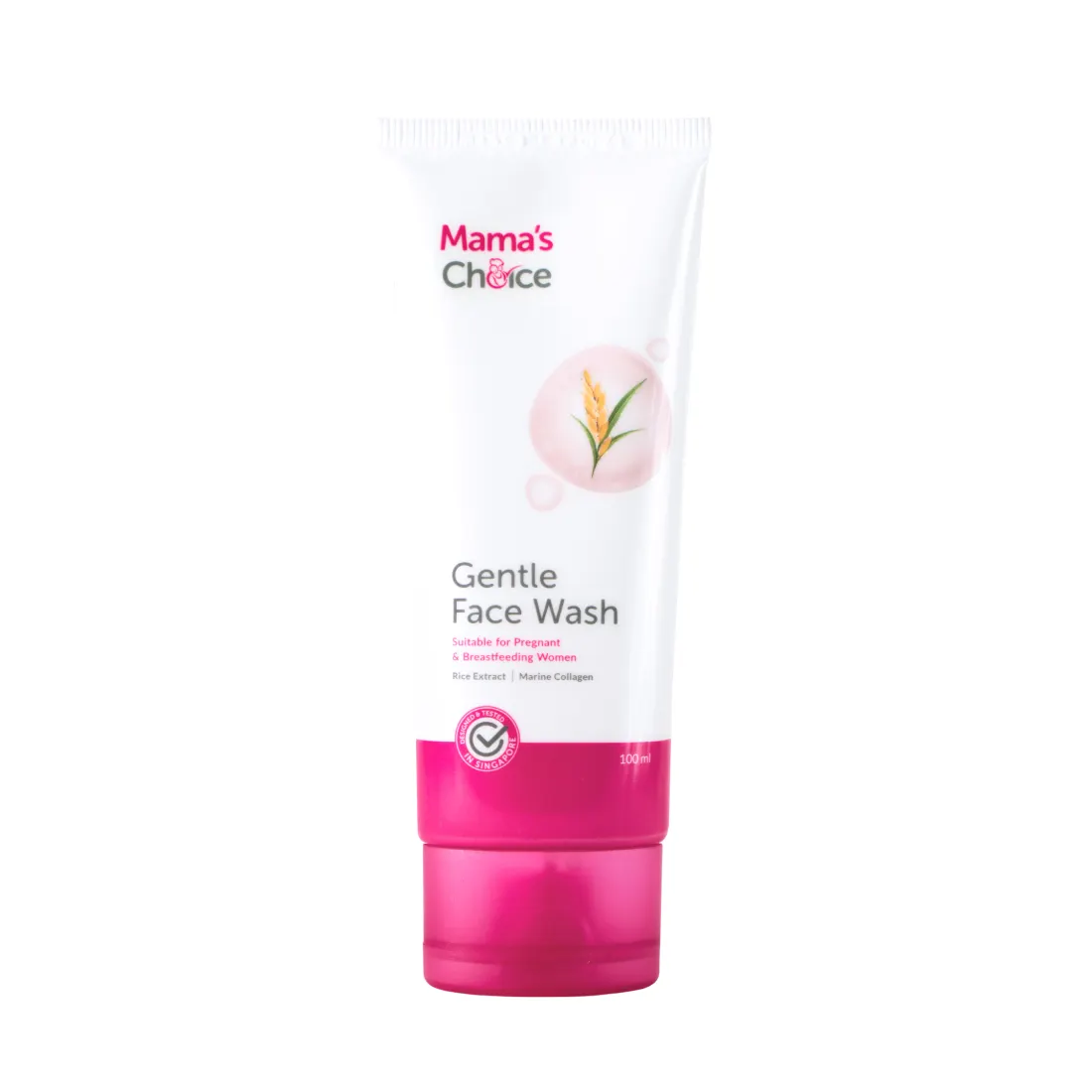
Mama's Choice Gentle Face Wash is made for pregnancy and breastfeeding, with rice extract and hydrolysed collagen. It lifts oil, dirt and makeup residue without stripping your barrier.
3. Exfoliation. Once or twice a week. Not daily, and not on the same night as any other strong active.
Your skin sheds cells constantly, and when the dead layer sits there rather than clearing, you get dullness. Chemical exfoliants are gentler than scrubs. While pregnant, keep acid concentrations low and skip peels entirely.
4. Toner. The most commonly skipped step, and the one people are most confident about skipping.
It rebalances your skin's pH after cleansing and adds a first layer of hydration. Useful for oily and acne-prone skin, optional for everyone else.
5. Essence. A water-based hydrating layer, which also helps what follows absorb. Pour a little into your palm and press it in. Do not rub.
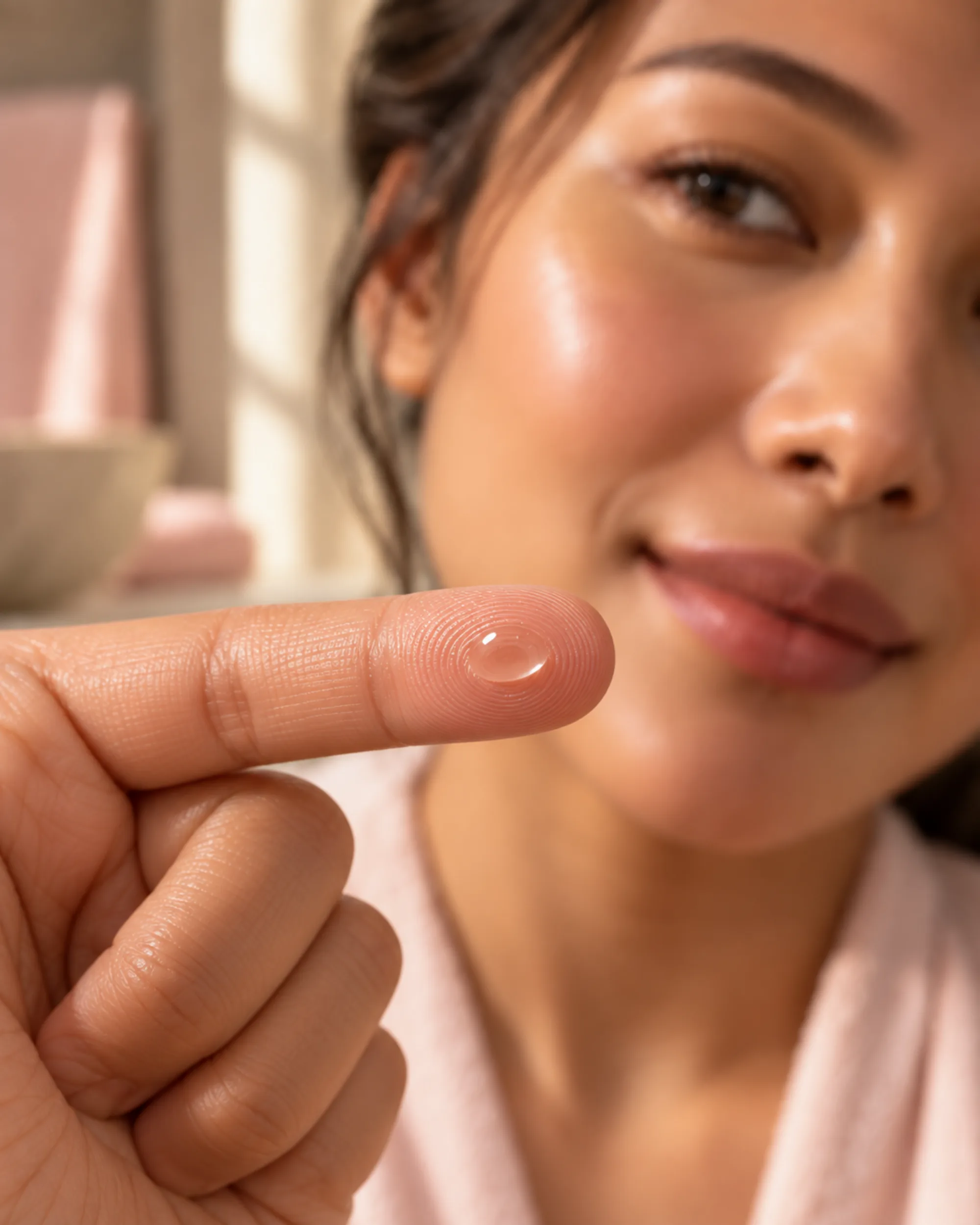
6. Serum. The active step. Small molecules at high concentration, reaching deeper than the rest of the routine.
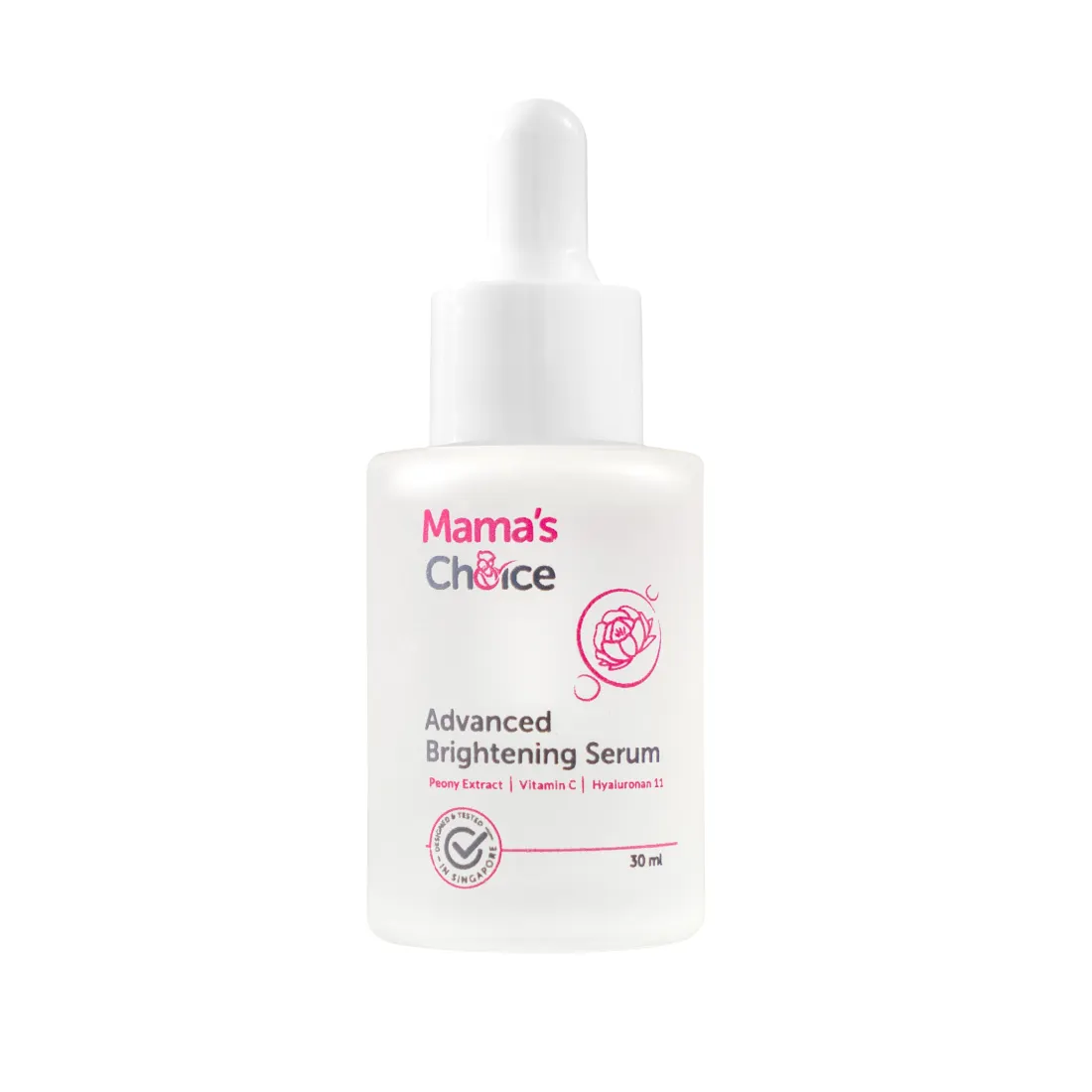
Advanced Brightening Serum combines peony extract with vitamin C, for dullness and dark marks.
One serum for one problem. Layering several is how routines start causing the irritation they were bought to fix.
7. Sheet mask. Two or three times a week, 10 to 20 minutes. Mostly hydration.
Do not leave one on until it dries out. A dry sheet pulls moisture back out of your skin, which is the opposite of the point.
8. Eye cream. The skin there is thinner and more fragile than anywhere else on your face. Ring finger, tapping rather than dragging. Dragging is what pulls delicate skin out of shape over years.
9. Moisturiser. Not optional, and not only for dry skin.
Oily and acne-prone skin needs it too. Skipping it because you feel greasy usually gives you more oil, not less, because a dehydrated barrier compensates.
10. Sunscreen. Your morning ends here, and this is the step that does the most for how your skin looks in a decade.
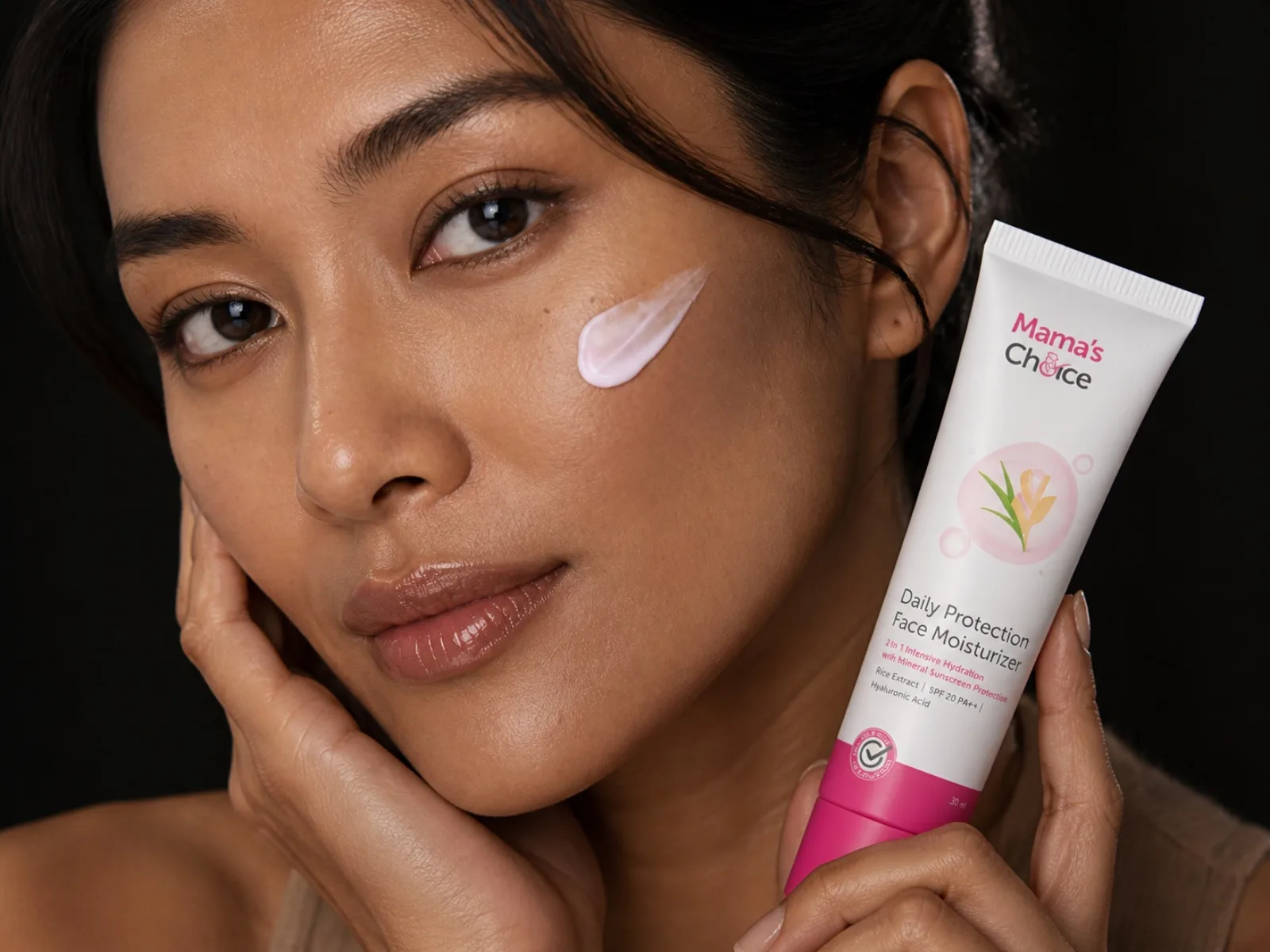
Daily Protection Face Moisturizer does both, with rice extract and hyaluronic acid alongside the UV filters.
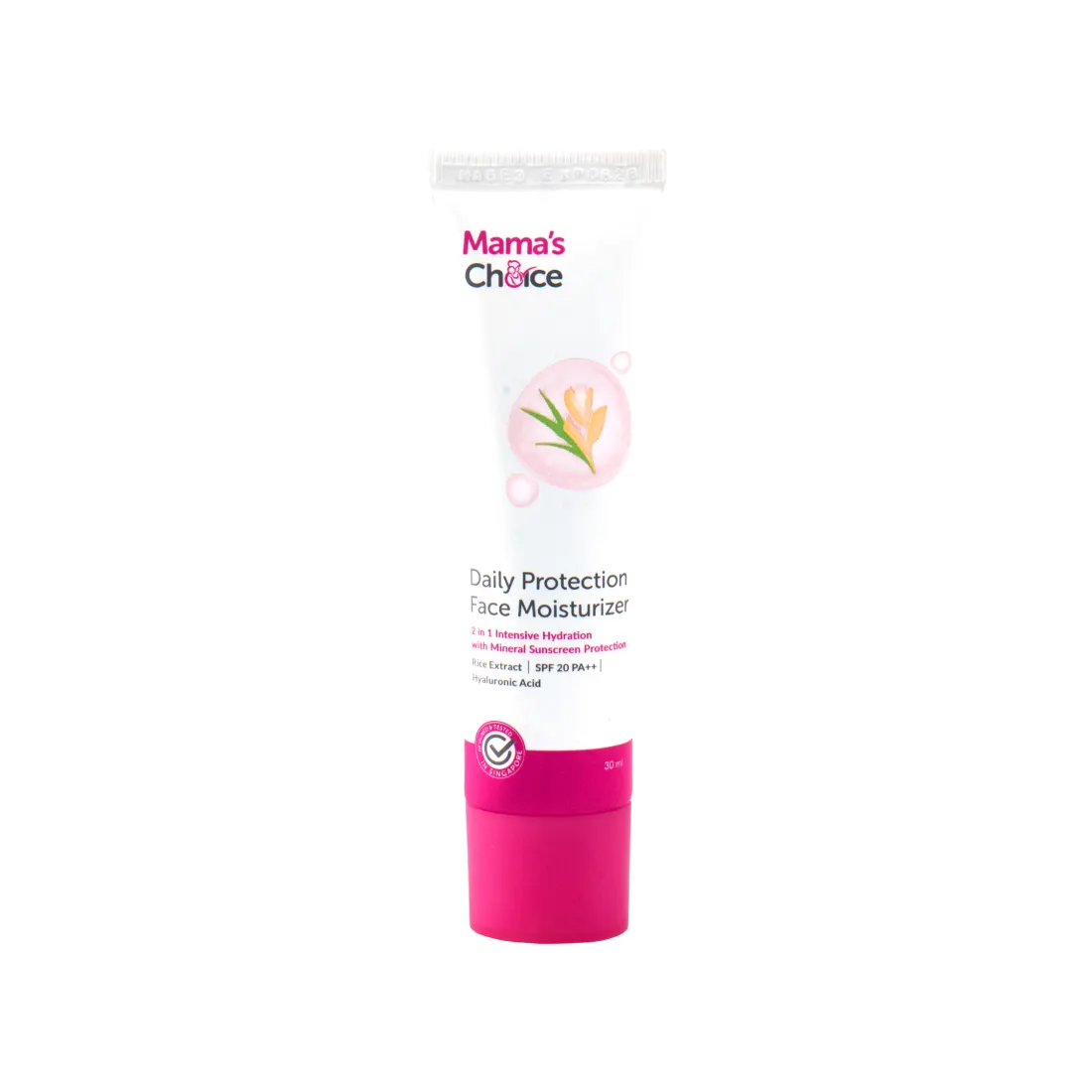
Unprotected sun drives ageing, pigmentation and skin cancer risk. Nothing else in the routine comes close.
Morning against evening
The ten steps are the menu. Neither routine uses all of them.
| Step | Morning | Evening |
|---|---|---|
| Makeup remover | No | If you wore makeup or sunscreen |
| Face wash | Yes | Yes |
| Exfoliation | No | 1 to 2 times a week |
| Toner | Optional | Optional |
| Essence | Optional | Optional |
| Serum | Yes | Yes |
| Sheet mask | No | 2 to 3 times a week |
| Eye cream | Optional | Yes |
| Moisturiser | Yes | Yes |
| Sunscreen | Yes | No |
What you can skip
Most of it, honestly.
Cleanser, moisturiser and sunscreen is a complete routine. Everything else is addition, and additions are worth making one at a time so you can tell what is doing anything.
If your skin is irritated right now, going back to that short list for a fortnight does more than adding a soothing product on top of the problem. Subtraction is the underrated move.
While pregnant or feeding
The order does not change. The ingredient list does.
Retinoids and hydroquinone come out. High-strength acids come out. Fragrance is worth avoiding, for the phthalates hiding inside it and because reactive skin does better without it.
Everything used here is formulated to be safe through pregnancy and breastfeeding, and the ingredient dictionary sets out what is in each one.
Giving it time
Skin cells turn over across weeks. A new product needs 8 to 12 weeks before you can judge it, and most abandoned routines were abandoned at three.
Take a photograph on day one, in the same light. It is a far better record than your memory of what your face looked like two months ago.
Sources
Share this article
This article is for information only and is not a substitute for diagnosis or medical advice. Please discuss your own situation with your midwife or doctor.