Why a Toxin-Free Label Does Not Tell You Much
How to read an ingredient list in a minute, which ingredients are reasonable to avoid in pregnancy, and where to spend limited attention.
"Toxin-free" is on the front of the bottle, and it means almost nothing.
"Toxin" is not a regulated term, and no product on a shelf is sold as toxic. The useful information is on the back.
Reading a label in a minute
Read the first five ingredients. Listed by concentration, so the first five are most of what you are buying. Everything below that is present in small amounts.
Look for "fragrance" or "parfum". It can cover dozens of undisclosed components, and it is where phthalates sit. It is also one of the commonest causes of irritation on reactive skin.
Check the registration. BPOM, and it takes a minute online. This matters most for anything promising fast results.
Check the period-after-opening symbol, the little open jar with a number.
That is the whole method. It catches most of what matters and takes less time than reading the marketing on the front.
What is reasonable to avoid, in order
Sorted by how strong the case is, which is not how most lists are arranged.
Retinoids (retinol, tretinoin, adapalene). The clearest recommendation there is.
High-dose salicylic acid, particularly as a peel.
Hydroquinone, usually postponed because of how much gets absorbed.
Phthalates, linked to effects on hormone development, and usually hidden inside "fragrance".
Unregistered whitening creams, still routinely found to contain mercury. A genuine hazard rather than a precaution, and the only thing on this page that is.
Everything else on the usual lists, parabens, SLS, alcohol, mineral oil, is better described as irritants or preferences. At permitted cosmetic concentrations, harm has not been demonstrated.
Avoiding them anyway is a legitimate choice. It is a different statement from avoiding a retinoid, and treating both as equally urgent makes the important one harder to see.
Where to spend your attention
Not every product deserves the same scrutiny, and you have a finite amount of attention.
| Product | Contact time | Area |
|---|---|---|
| Body lotion, stretch mark cream | All day, twice daily | Large |
| Sunscreen, moisturiser | All day | Face |
| Deodorant | All day | Small, thin skin |
| Toothpaste | Minutes, in your mouth | Small |
| Face wash, shampoo | Seconds to a minute | Rinsed off |
Top of the table is where ingredient choices matter. Bottom is rinsed away before much happens.
More useful than memorising names, because it tells you where the effort is worth spending.
What we do
We publish the full composition of every product, and what each ingredient is doing there, in our ingredient dictionary.
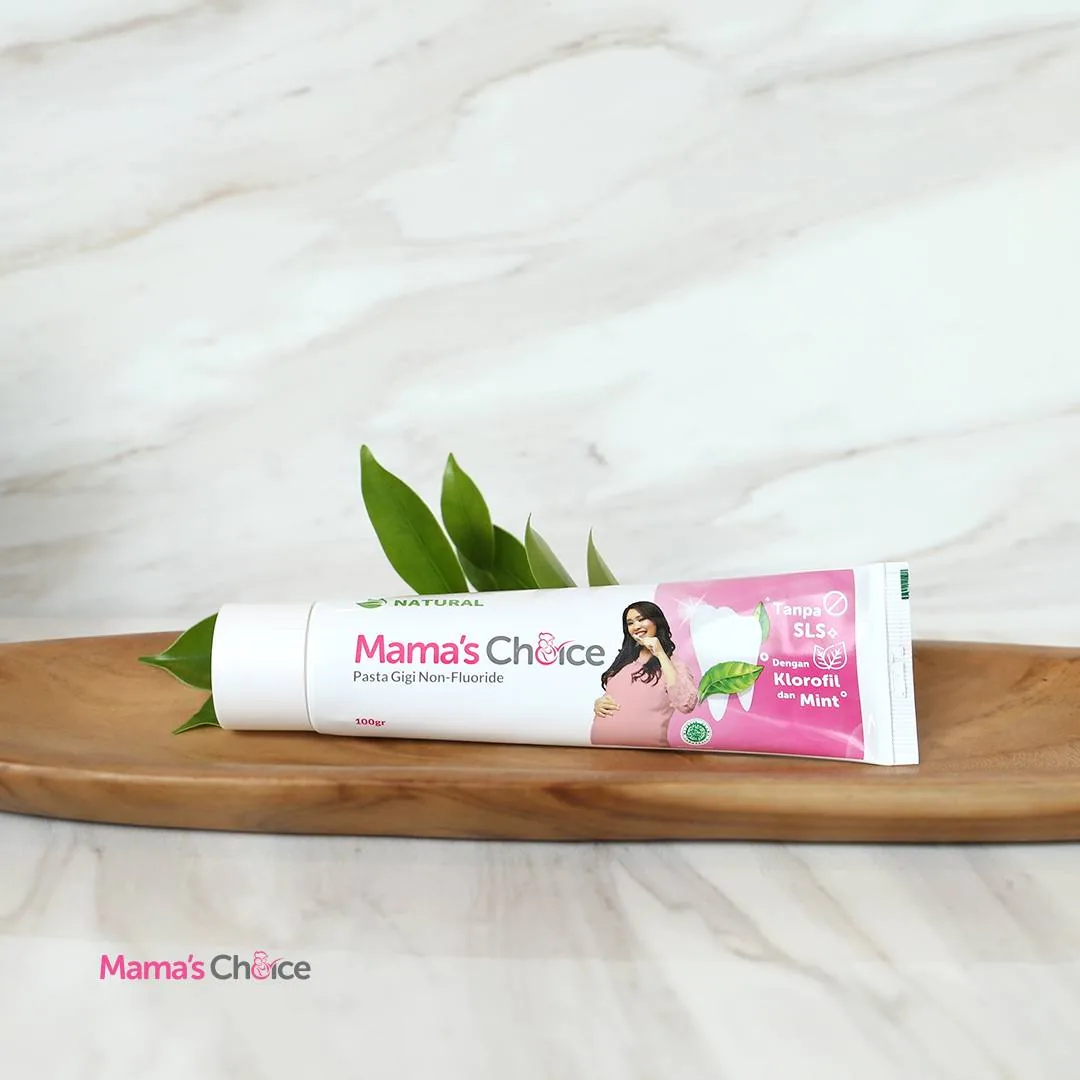
Mama's Choice Stretch Mark Cream is formulated without parabens, and goes on twice daily over a large area, which puts it firmly at the top of that table.
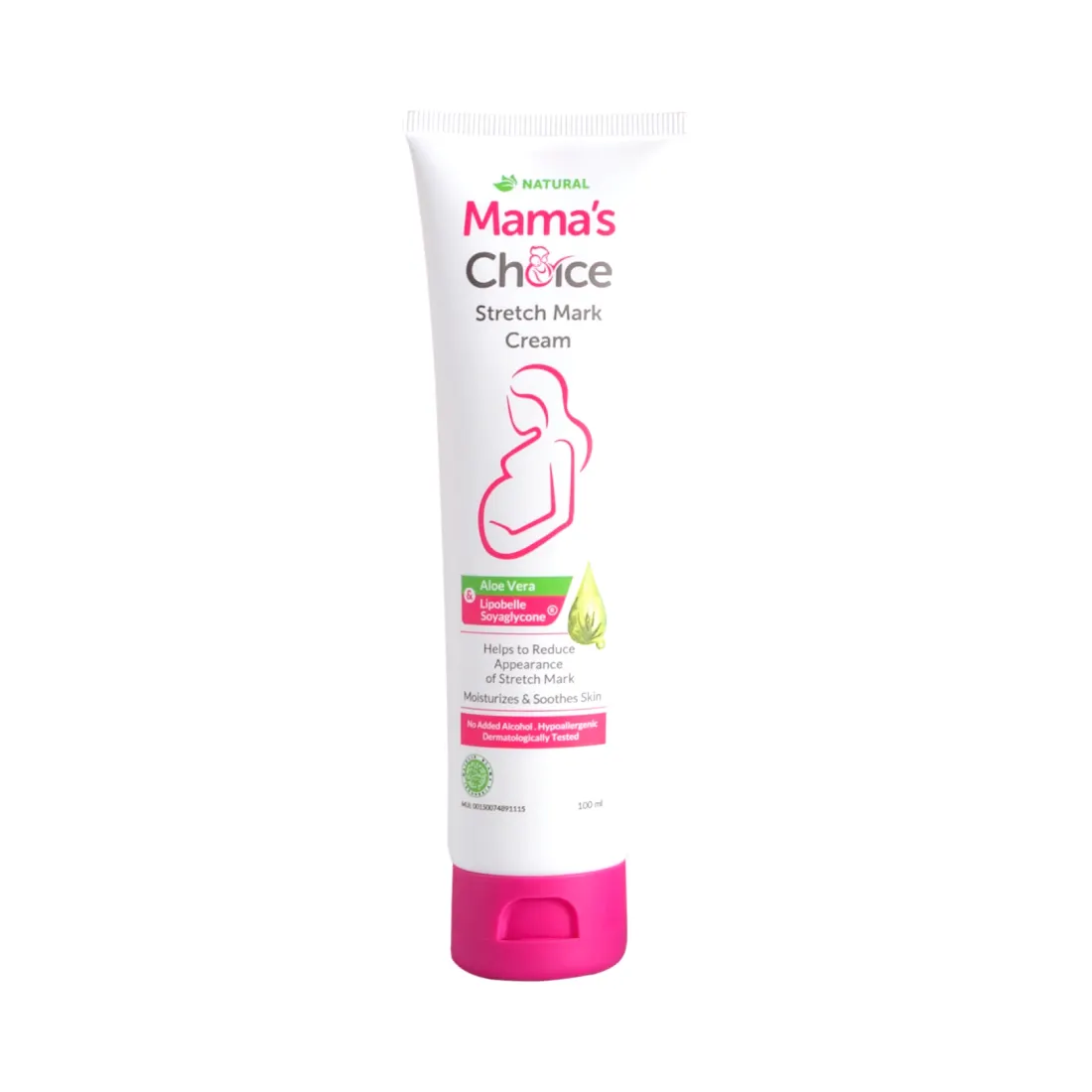
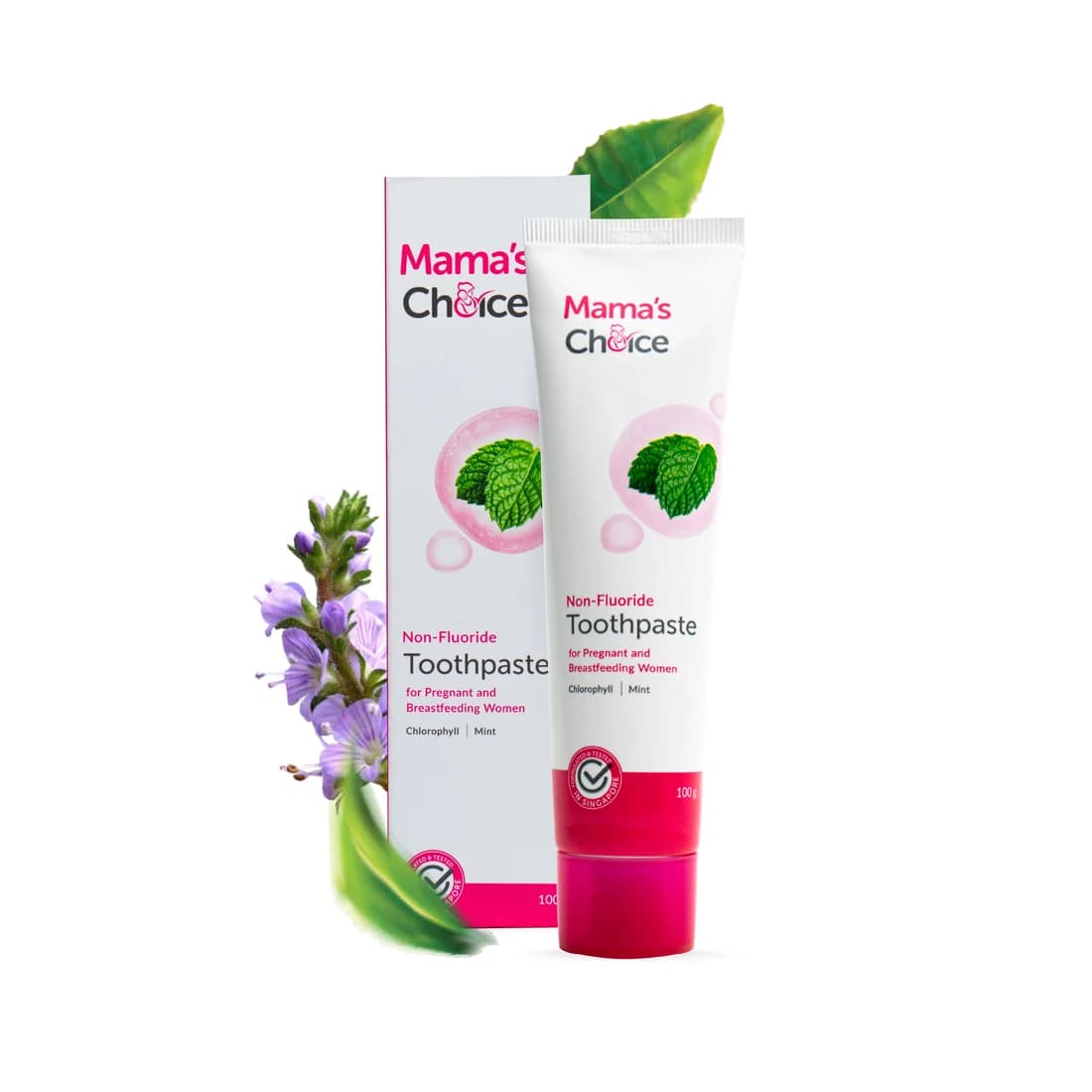
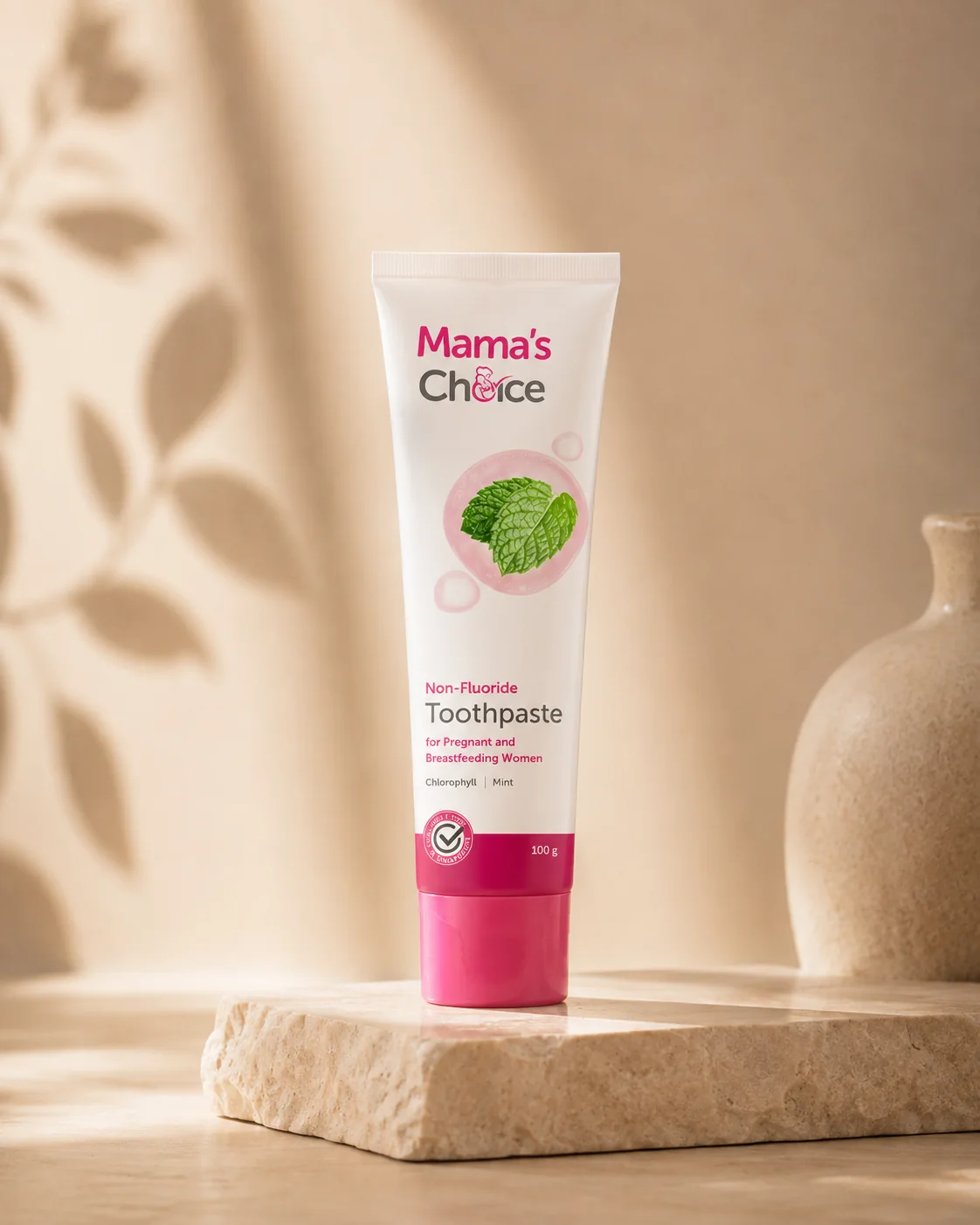
Natural Toothpaste is made without SLS and without fluoride.
On that last one we would rather be accurate than convenient: fluoride toothpaste does not harm your baby when used as directed, and ACOG and the ADA recommend it in pregnancy as long as you spit it out. Our fluoride-free formula is a comfort choice, particularly if brushing makes you gag, and not a correction to a danger.
The words that mean something, and the ones that do not
Some claims are defined and checkable. Others are decoration.
Means something: a BPOM registration number. "Dermatologically tested", if the brand says what test. "Hypoallergenic", which describes a formulation designed to lower the chance of a reaction, though it does not promise you will not have one. "Fragrance-free", which is different from "unscented".
Means nothing on its own: "toxin-free", "chemical-free", "clean", "natural", "pure", "gentle", "dermatologist recommended" with no name attached.
"Unscented" is the sneaky one. It can mean a masking fragrance was added to cover the smell of the base, which is the opposite of what you were after.
Why "natural" is not the safer bet
Plenty of the most common contact allergens in cosmetics are plant-derived. Essential oils, citrus extracts, tea tree, lavender.
None of that makes them bad. It makes "natural" useless as a safety signal, because your skin does not know or care where an ingredient came from.
The question that works is always the same one: which ingredient, at what concentration, on how much skin, for how long.
Two habits worth dropping
Replacing everything at once. Swapping as things run out costs less and lets you notice what disagrees with you.
Trusting the front of the pack. "Toxin-free", "clean" and "chemical-free" are marketing terms. The back is where the information is.
Sources
Share this article
This article is for information only and is not a substitute for diagnosis or medical advice. Please discuss your own situation with your midwife or doctor.