Nipple Confusion: Why It Happens and What Helps
A baby refusing the breast after bottles is common and usually fixable. What causes it, the five things that help, and the other reasons a baby refuses.

She took a bottle at the weekend, and now she screams at the breast.
Nipple confusion is real. It is also blamed for a great many refusals that have a different, more fixable cause, so it is worth checking those first.
Why it happens
A fast-flowing bottle delivers milk with almost no effort. A breast demands an active, coordinated suck. A baby who has learned the easy version can get frustrated by the hard one.
What else makes a baby refuse
Several of these are more common than confusion, and most are quicker to fix.
A blocked nose. She breathes almost entirely through her nose, so congested she cannot feed and breathe at the same time. The most fixable thing on this list and the one most often missed.
Teething, or a sore mouth, thrush included.
An ear infection, which makes sucking painful.
A forceful let-down, milk arriving faster than she can handle, so she pulls off and cries.
A change in taste, from a new medication or something you ate.
Overstimulation or overtiredness. The most common of the lot.
A nursing strike, which arrives suddenly in an older baby and usually resolves in a few days.
Refusal that starts abruptly in a baby who was feeding well is far more likely to be one of these than confusion.
If it hurts, that is the first thing to fix
This comes before the five steps because it is the piece most often ignored.
Feeding that hurts all the way through means something needs correcting, usually the latch. A baby taking only the nipple rather than a good mouthful of areola transfers little milk and causes a great deal of pain.
Nipples that are cracked, bleeding, or blanching white after a feed need attention, not endurance. One session with a lactation consultant sorts most of it out.
Five things that help
Fix the latch first. Everything else depends on it. A deep latch means her mouth covers a good portion of the areola, her chin is against the breast, and her lips are flanged out. If it hurts, or your nipple comes out flattened, it needs adjusting.
Offer the breast while she is calm. A starving baby has no patience for the slower method. Watch for the early cues, stirring, hands to her mouth, turning her head, and offer then rather than waiting for the crying.
More skin to skin. Unhurried contact with no expectation of a feed resets a surprising amount of this. Plenty of babies latch spontaneously after twenty minutes of simply lying on your chest.
It works better than any technique, and it is the least technical thing here, which is part of why it gets skipped.
Slow-flow teat, used well. If bottles are part of your life, use the slowest flow she tolerates, whatever her age.
Then feed her at a pace: hold her fairly upright, keep the bottle close to horizontal, pause every few sucks. That makes the bottle more like the breast rather than a faster alternative to it.
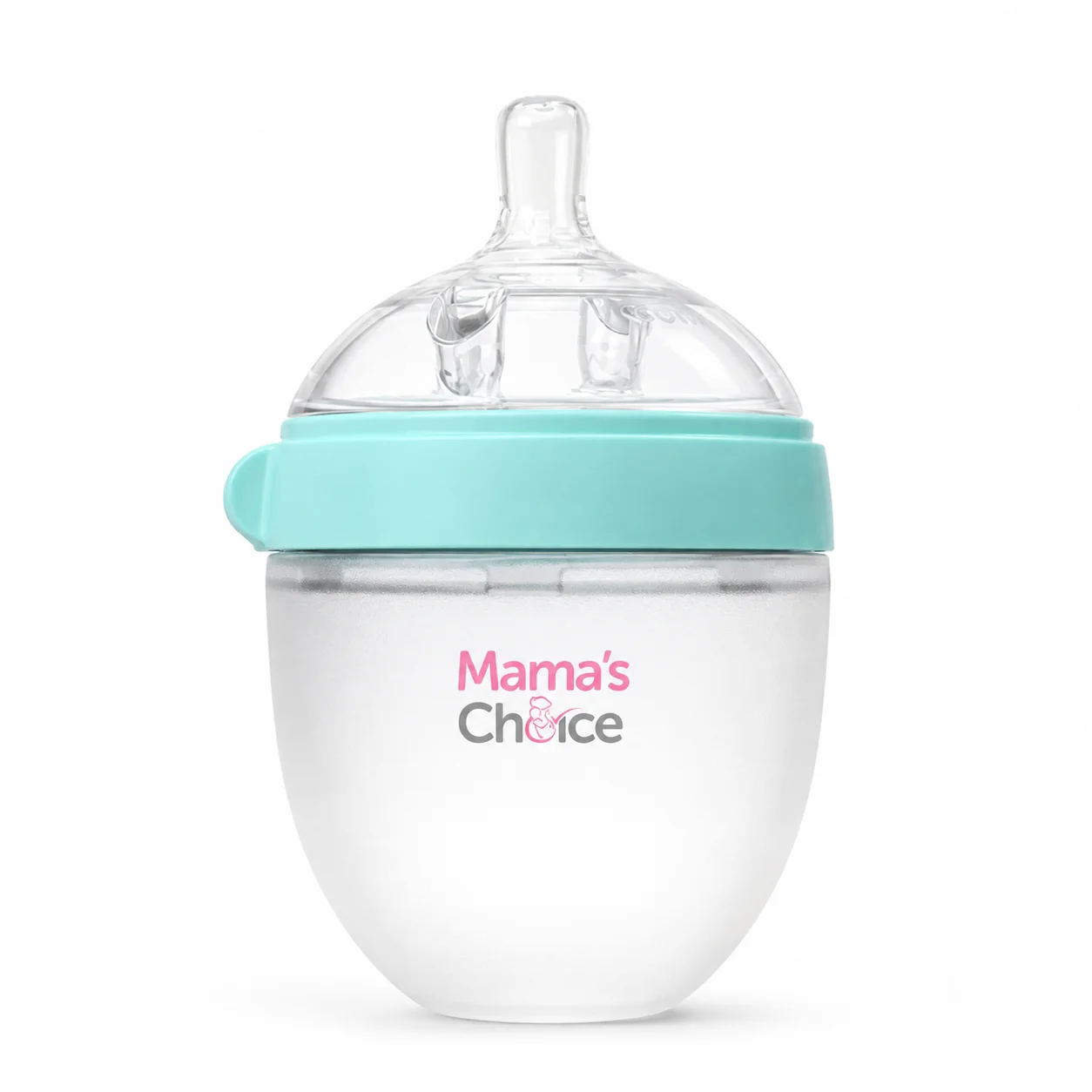
A teat with a wide sloping base encourages a deeper latch. The Mama's Choice anti-colic bottle uses an asymmetric teat shaped to sit where your nipple sits.

Feed as often as she asks. More chances to practise, and it keeps your supply up while you both work it out. Newborns feed 8 to 12 times in 24 hours, and stretching the gaps during a difficult patch helps nobody.
Meanwhile, your nipples
Sore nipples make Mamas dread feeding, and dreading feeding ends breastfeeding more often than any supply problem does.
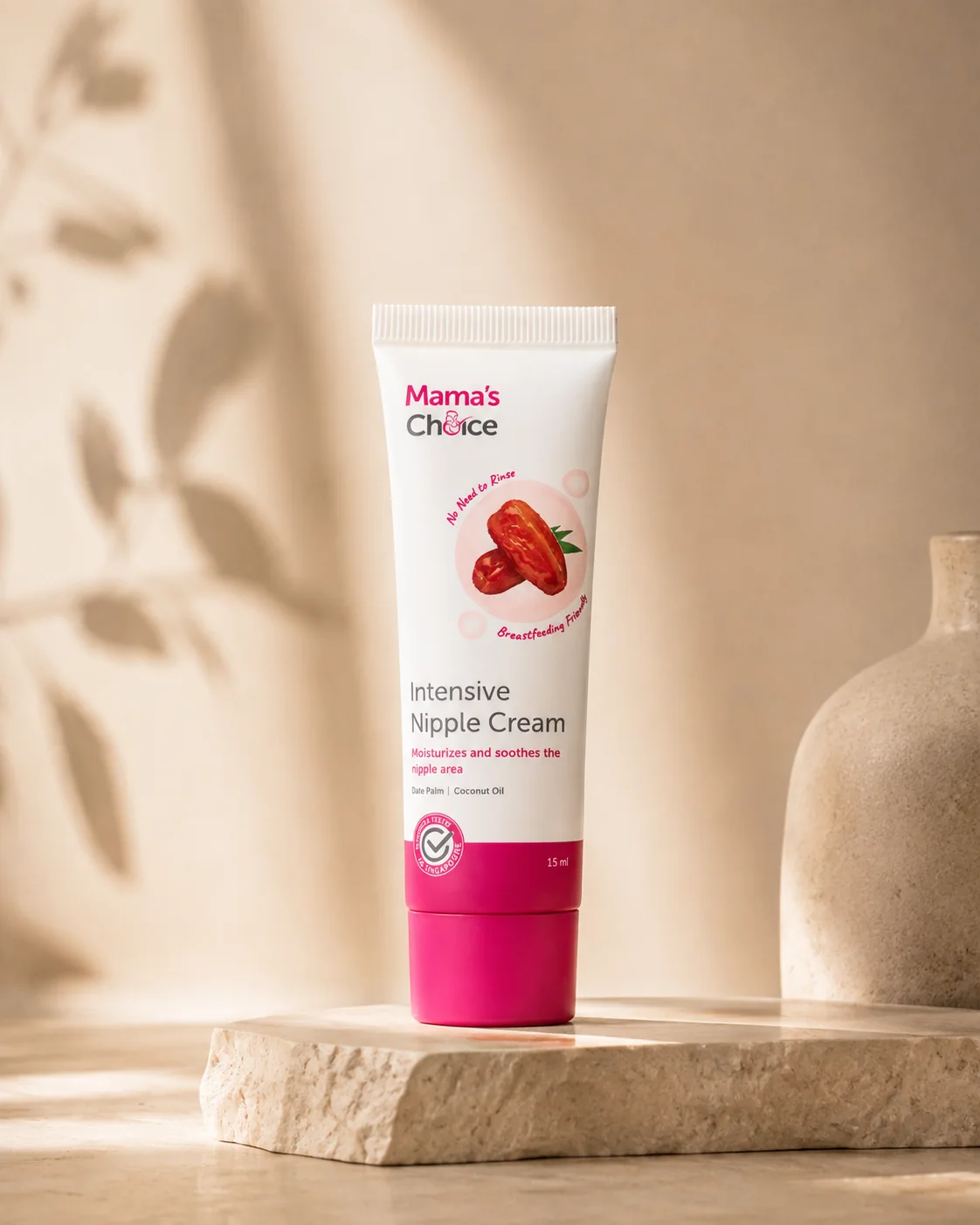
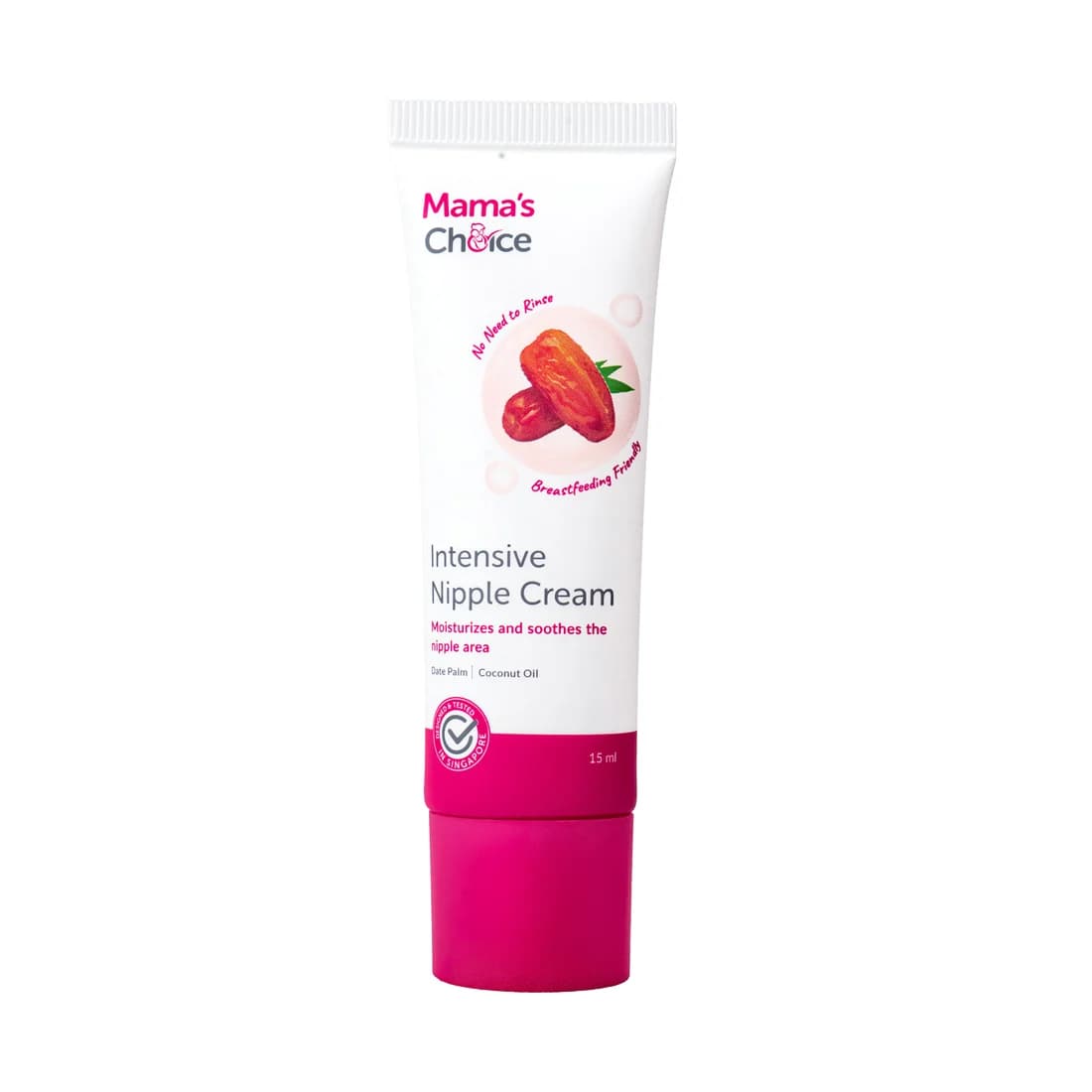
Mama's Choice Intensive Nipple Cream is food grade, so it does not need washing off before a feed.
When to get help
- She is not gaining weight along her curve
- Fewer than six wet nappies a day after the first week
- Refusal lasting more than a day or two
- Pain right through every feed, or cracked and bleeding nipples
- A breast that is red, hot and painful, with a fever
A lactation consultant can watch a whole feed and see things that are impossible to describe down a phone. That hour is worth more than a fortnight of guessing.
Sources
Share this article
This article is for information only and is not a substitute for diagnosis or medical advice. Please discuss your own situation with your midwife or doctor.