Nine Skin Changes in Pregnancy and What to Do About Them
Stretch marks, melasma, acne, varicose veins, spider veins, itching, linea nigra and dark spots. What each one is, and which ones need attention.
Nobody hands you the list, so you find each one in a mirror and wonder whether it is normal.
Almost all of it is. Most settles afterwards. A few are worth acting on, and a small number are not cosmetic at all.
The nine
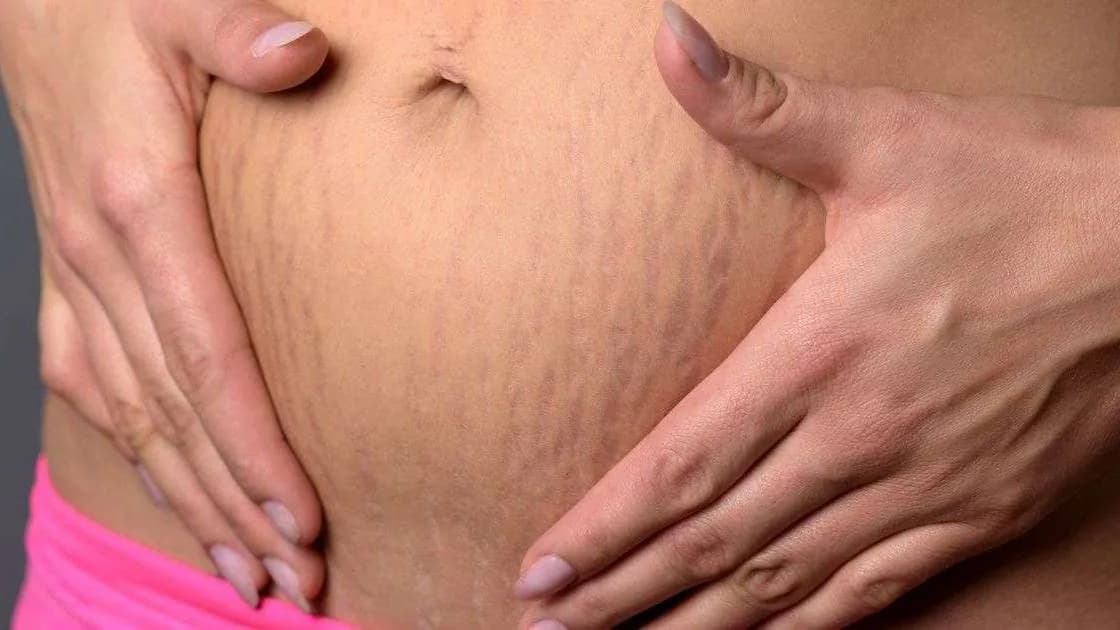
Stretch marks. Tears in the dermis where skin stretched faster than it could adapt. Red or purple first, silvery white over six to twelve months. A moisturiser eases the itch and keeps you comfortable. Nothing prevents them; genetics decides most of it.
Melasma. Uneven darker patches on your forehead, cheeks and upper lip. Sunscreen every morning, because UV is what deepens it. Most of it fades after the birth.
The glow. More blood flow and more oil, and some Mamas genuinely do look better than usual. Nothing to do but enjoy it, and know that the Mamas who get dullness instead are equally normal.
Acne. More oil, more sensitivity. Gentle cleanser twice a day, niacinamide or azelaic acid. No retinoids, no high-dose salicylic acid.
Varicose veins. Swollen twisted veins, usually in your legs, from increased blood volume and the pressure of your uterus on the veins bringing blood back up. Move regularly, avoid standing still for long, put your legs up, consider compression stockings.
Spider veins. Fine red lines just under the skin on your face, neck or legs. The same blood flow in smaller vessels. Harmless, and they usually fade.
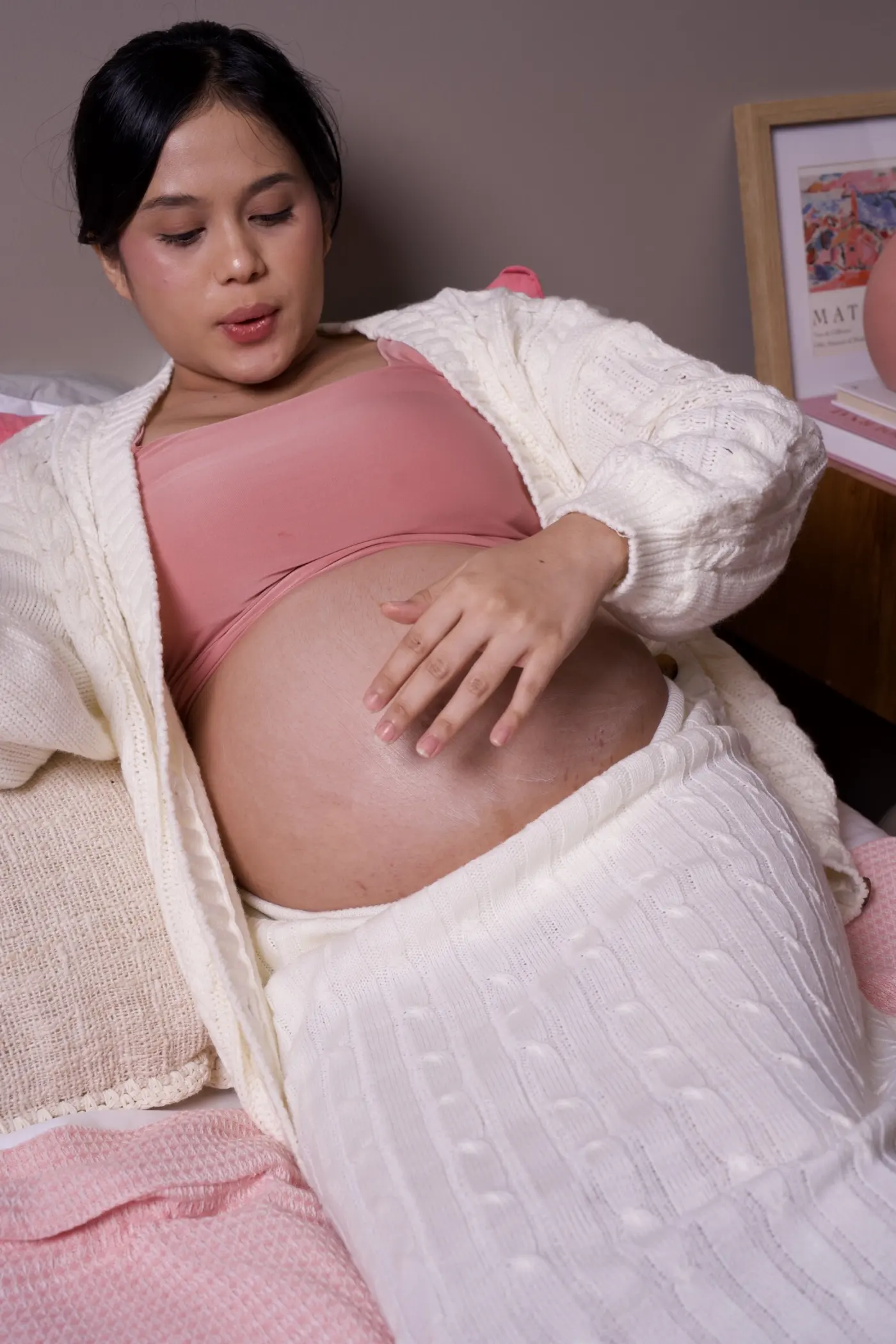
An itchy belly. Stretching skin plus hormonal dryness. Moisturise while your skin is damp, wear loose cotton, do not scratch.
Linea nigra. The dark line down the middle of your belly, from the same pigment change as melasma. Harmless, fades after the birth, and no, it does not predict the sex.
Dark spots. Existing moles and freckles darkening, along with your nipples, underarms and inner thighs. Sunscreen again.
When each one turns up
| Change | Usually starts |
|---|---|
| Acne | First trimester, with the earliest hormone shifts |
| Melasma | Second trimester, deepening with sun |
| Linea nigra | Around the fifth month |
| Stretch marks | Second and third trimesters |
| Varicose and spider veins | Second trimester on, as blood volume peaks |
| Itching | Third trimester, as the bump grows fastest |
Knowing roughly when something is due makes it much easier to tell an ordinary change from one worth asking about.
What settles, and what does not
Goes on its own: melasma, linea nigra, spider veins, pregnancy acne, and the itching once the stretching stops.
Goes partly: stretch marks, red to silvery white, never gone. Varicose veins usually improve substantially without disappearing.
Usually stays: your nipples and areolas tend to remain darker, and hair texture sometimes changes for good after the postpartum shed.
None of the permanent ones need treating. That is simply what a body looks like afterwards.
A routine that covers most of it
A few habits handle the majority of this list.
Sunscreen every morning, the single most useful step for every pigment change here.
Moisturiser on damp skin, morning and night, on your belly, breasts, hips and thighs.
Movement and elevation, which is what the veins respond to.
Everything else is optional, and the Mamas who do nothing at all mostly end up in the same place a year later.
What to keep in the house
Mama's Choice Stretch Mark Cream for belly, breasts, hips and thighs.

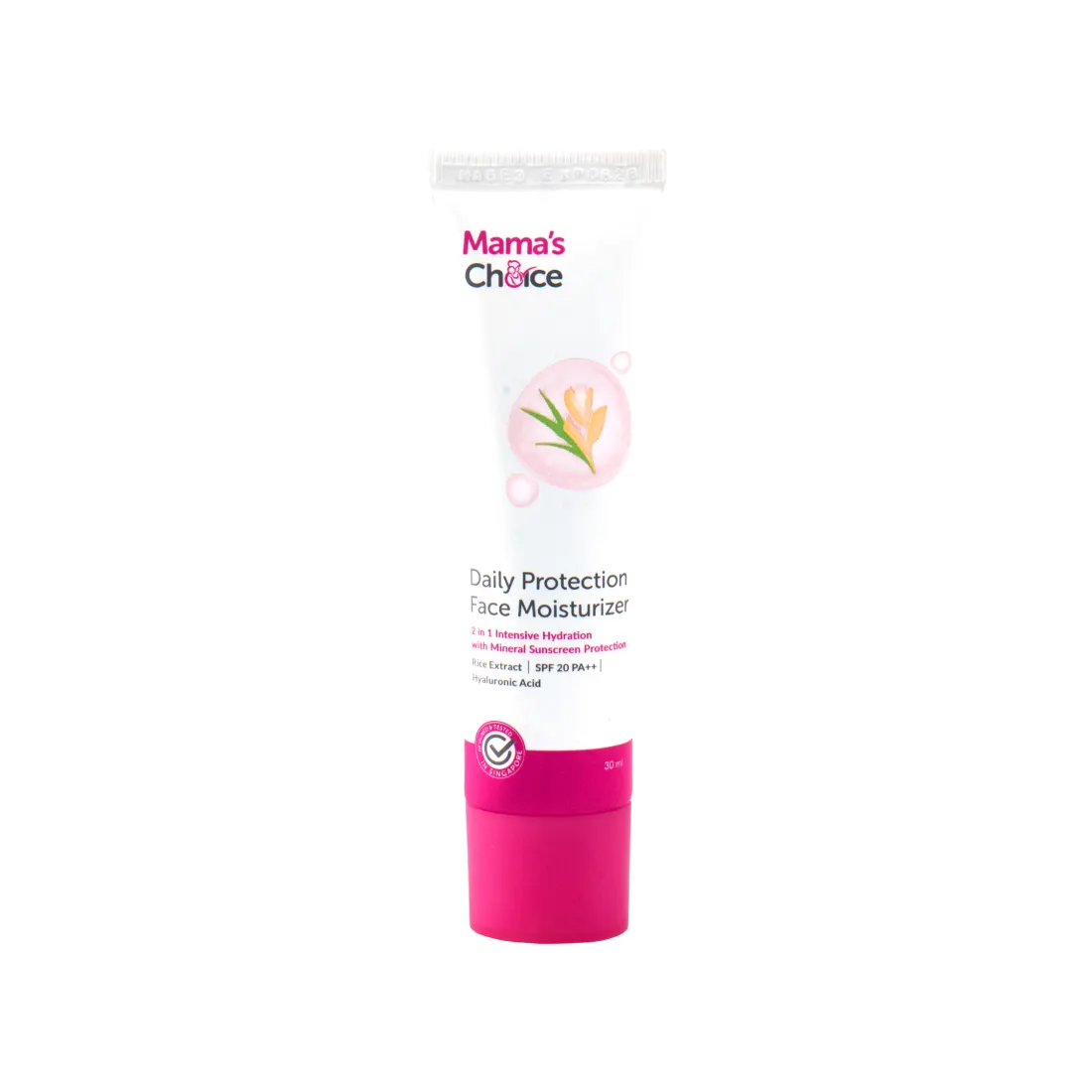
Daily Protection Face Moisturizer SPF 20 PA++ for your face, covering moisturiser and the sun protection every pigment change on this page needs.
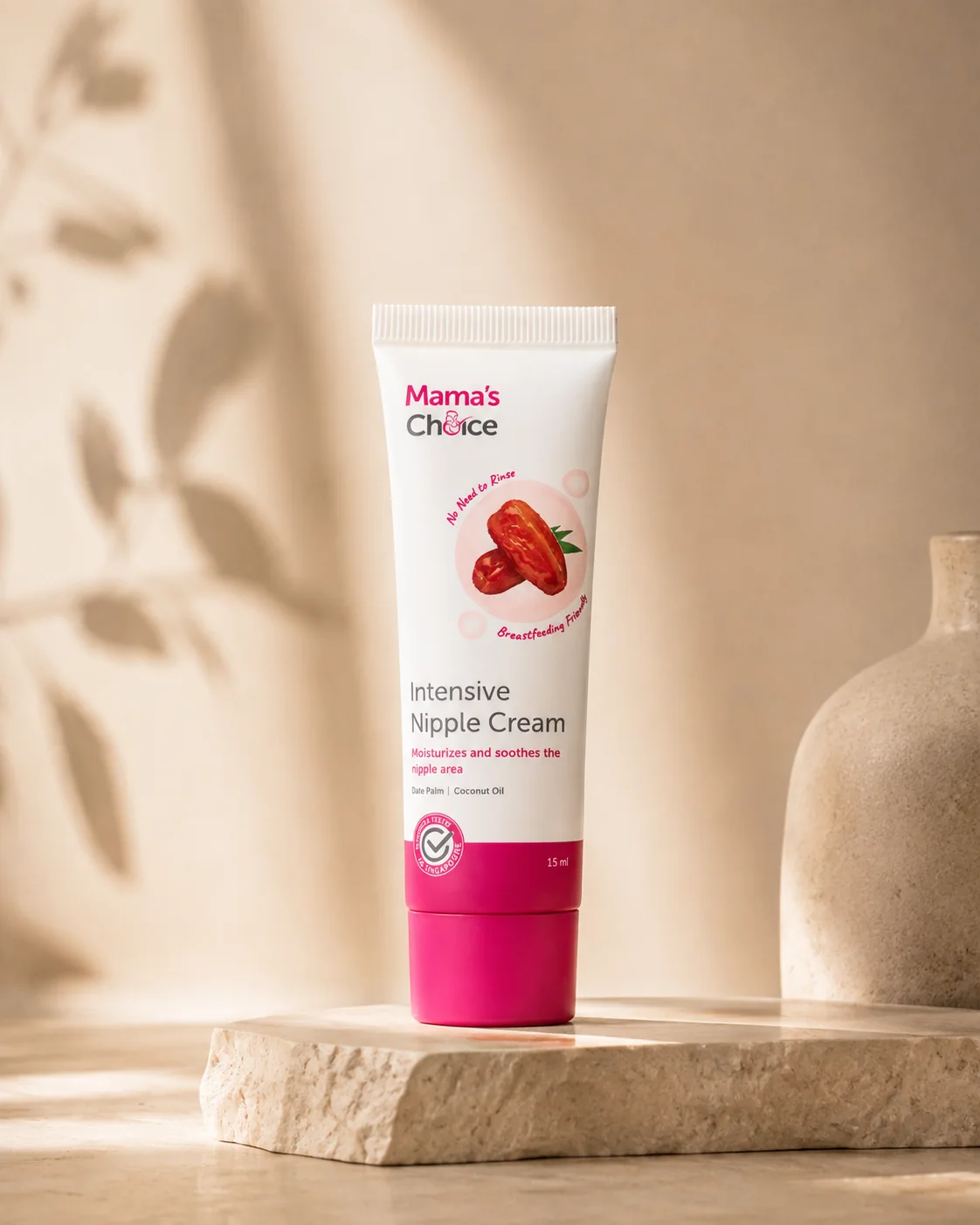
Intensive Nipple Cream for later, when your nipples become the part that needs attention. Food grade, so it does not need washing off before a feed.
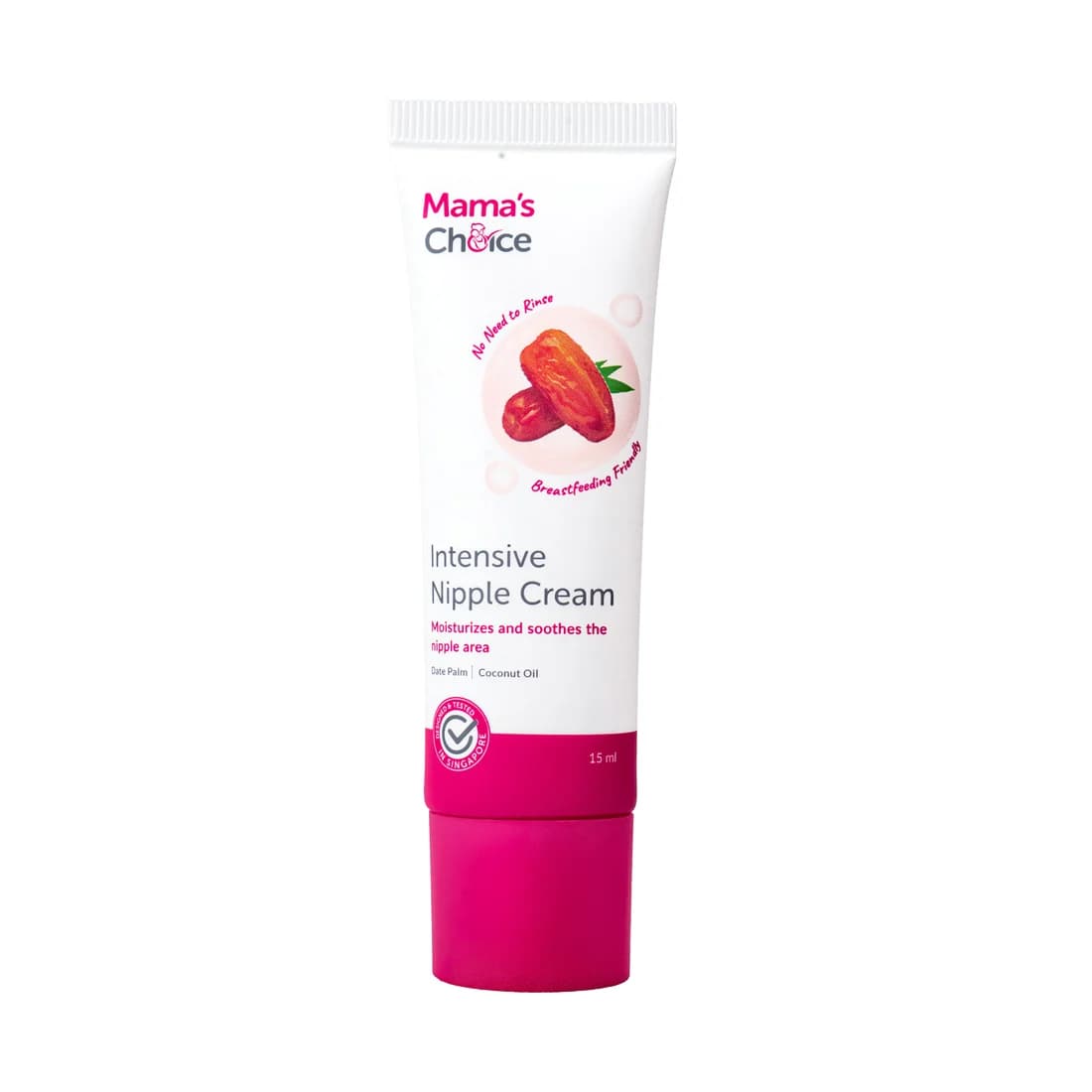
The ones that are not cosmetic
Most of this page is comfort. These are not:
- Severe itching with no rash, particularly on palms and soles
- A vein that is hard, hot, red or painful
- Skin changes with swelling in your face and hands, a severe headache, or changes to your vision
The first can be cholestasis of pregnancy. The last can be pre-eclampsia. Each needs a same-day appointment rather than a product.
Sources
Share this article
This article is for information only and is not a substitute for diagnosis or medical advice. Please discuss your own situation with your midwife or doctor.