Natural Milk Boosters: What the Evidence Supports
Fenugreek, fennel, oats, katuk and barley are the usual galactagogues. What each one has behind it, how to use them, and what actually governs milk supply.
Your aunt has brought katuk, someone has sent a link to fenugreek capsules, and you are eating oats you do not particularly want.
Most natural boosters are foods, which is the reassuring part. Eaten as food, they are low-risk. Before the list, though, one thing has to come first, because without it any booster will disappoint you.
What actually governs your supply
Supply and demand. The more often and the more completely the breast is emptied, the more gets made.
No food or supplement outranks that.
So the order that works is: fix the latch, feed more often, empty the breast properly. Then consider a booster as an addition.
Boosters help most visibly if you are undereating, underdrinking or running on no sleep. They do not stand in for emptying the breast.
The five you will be offered
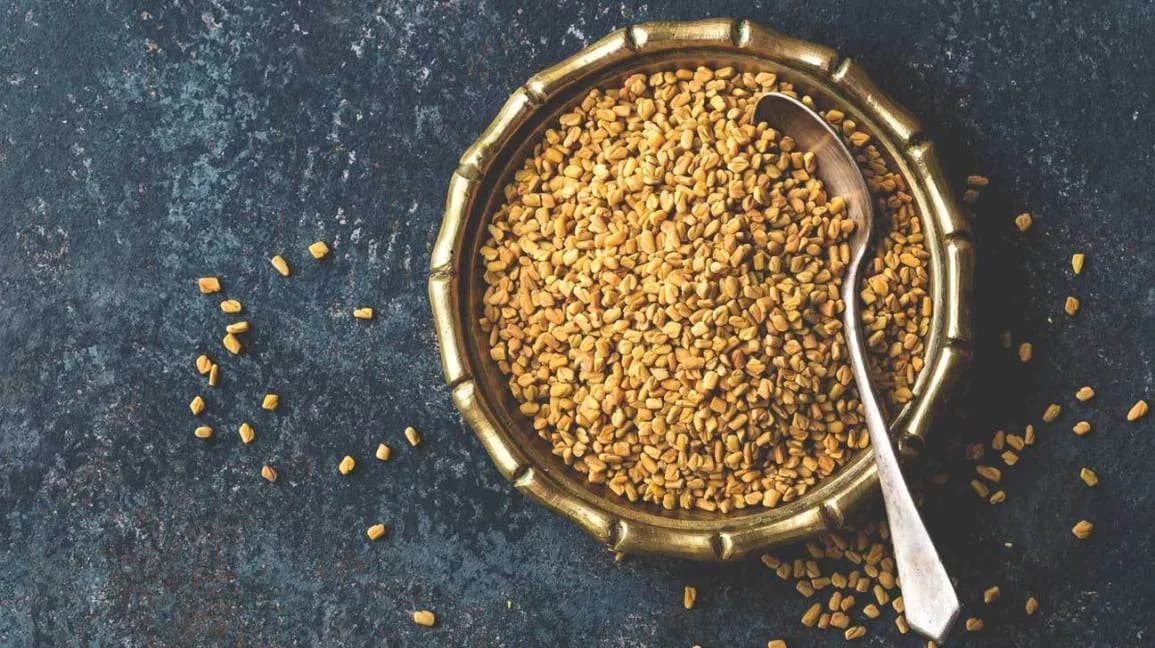
Fenugreek. The seed most associated with supply, and the one with the most study behind it, though the studies are small. One found Mamas drinking fenugreek tea three times daily produced more than those who did not.
It lowers blood sugar, so be careful if you have diabetes. Avoid it with a nut allergy. Some babies get gassier.
Fennel. Seeds and bulb contain phytoestrogens, and small studies have linked it to more milk and higher fat content.
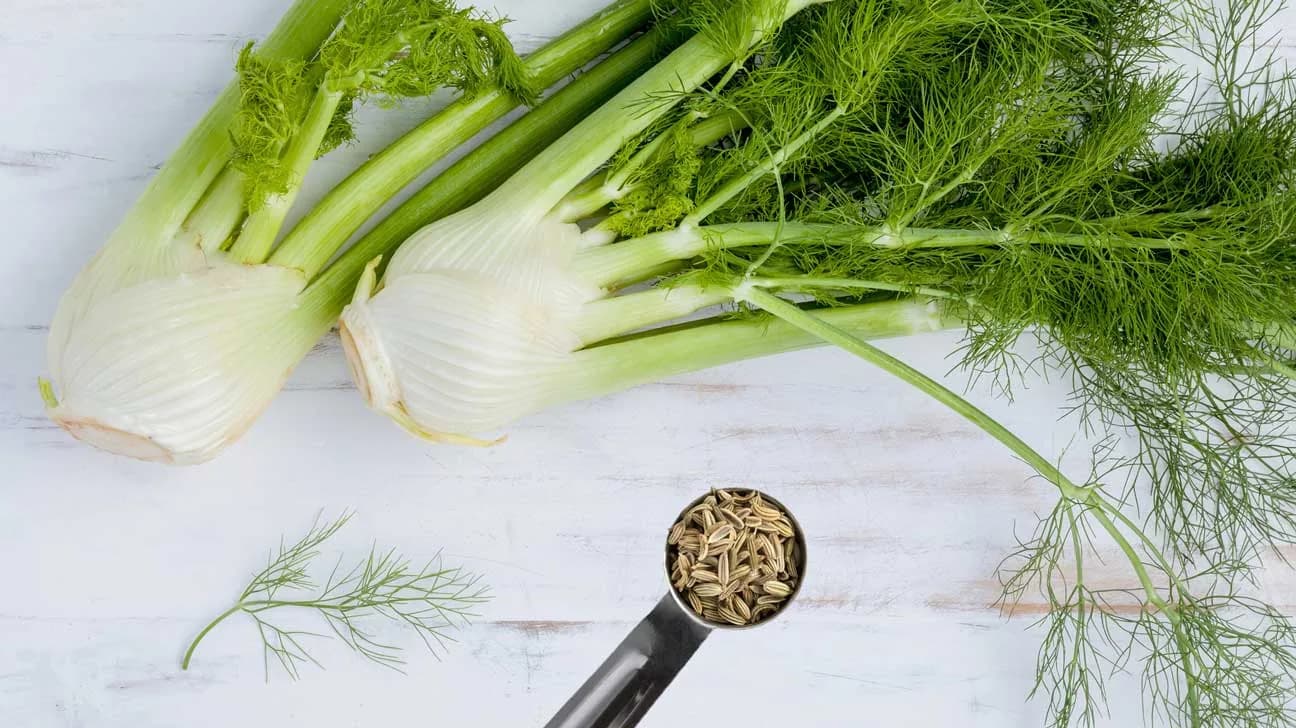
Larger studies do not exist. Avoid large quantities if you have a history of seizures.
Oats. A good source of iron, and low iron is associated with reduced supply.
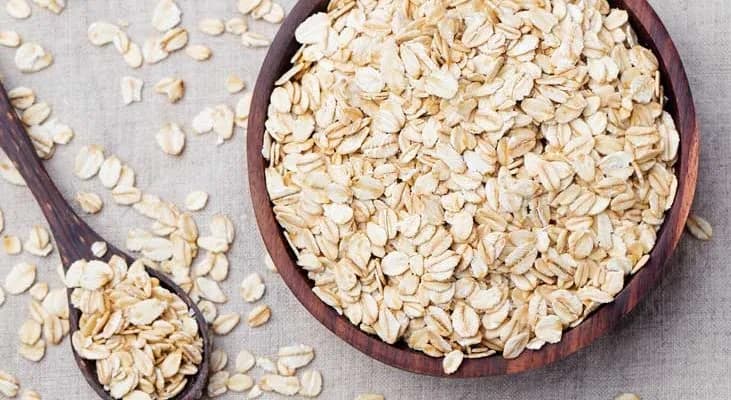
No study shows oats directly raising milk production. They are still a genuinely good breakfast for an exhausted Mama, which is worth something on its own.
Katuk leaves. Sauropus androgynus, the best-known booster in Indonesia.
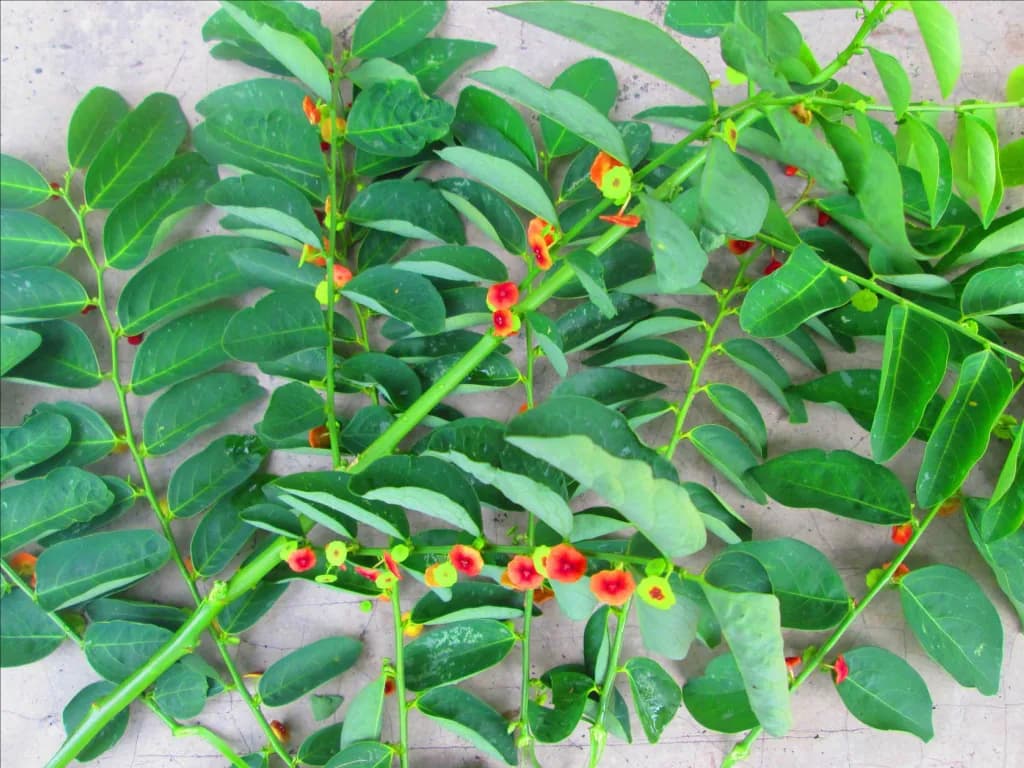
The "50.7% more milk" figure everyone quotes comes from one small study. Broader reviews conclude the evidence for herbal galactagogues, katuk included, is limited and of low quality.
So it belongs on your plate as a nutritious vegetable rather than as the deciding factor. Cooked as a vegetable is fine. Very large quantities of raw extract over long periods have been linked to lung problems, which is a good argument for treating it as food.
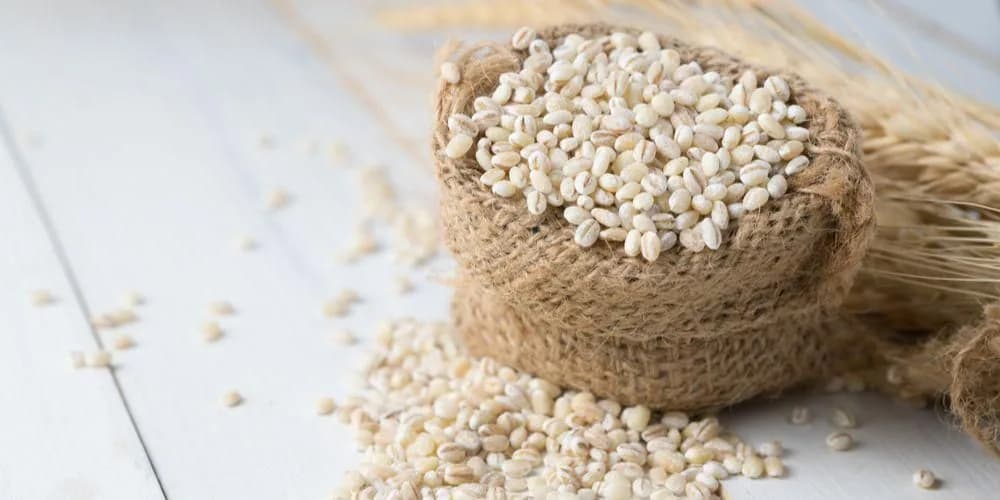
Barley. Starch, fibre such as beta-glucan, and diastase enzymes. LactMed lists it as safe while breastfeeding, except with coeliac disease.
Using them so you can tell if they work
Give it time. Most herbal ingredients need several days to a week.
One at a time. Start several together and a rise in supply tells you nothing about which one did it.
Measure the right thing. Wet nappies, weight gain, and whether she seems satisfied afterwards. What comes out into a pump bottle is the least reliable of these by a distance.
Cover food and fluids first. A booster on top of an undernourished body has very little to work with.
If you are buying a packet
Check it is registered with BPOM, and read the ingredient list.
A product that will not publish its full composition is a risk you have no way of assessing.
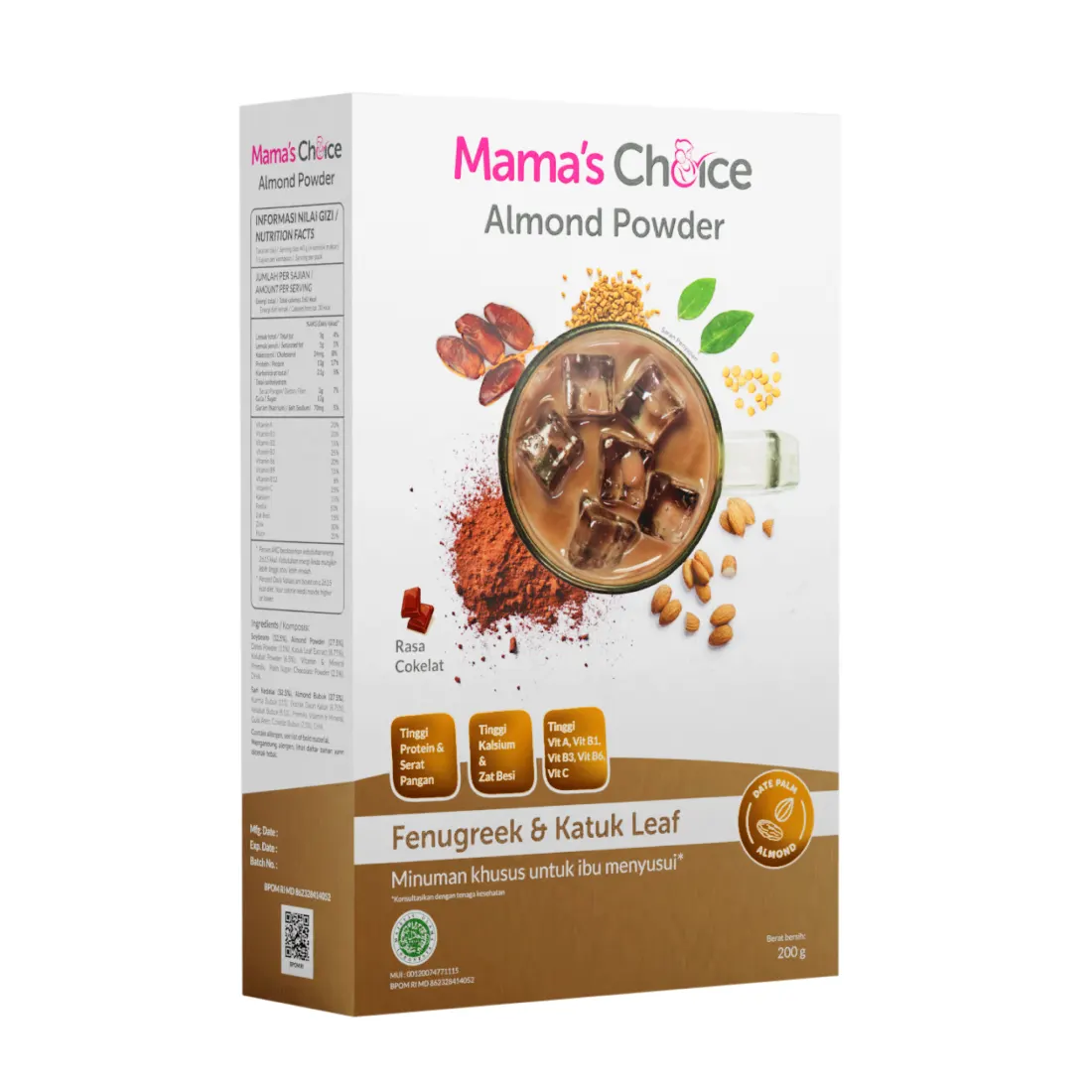
Mama's Choice Almond Milk Powder is one practical option, built on almond, fenugreek, katuk leaves and dates.
Any satisfaction figures on the product page come from internal consumer surveys, not clinical trials. Results vary between Mamas.
What else genuinely helps
- Drink when you are thirsty
- Ask for help with the housework, and let the stress come down
- Feed every two to three hours, or whenever you feel full
- Ask your partner for an oxytocin massage
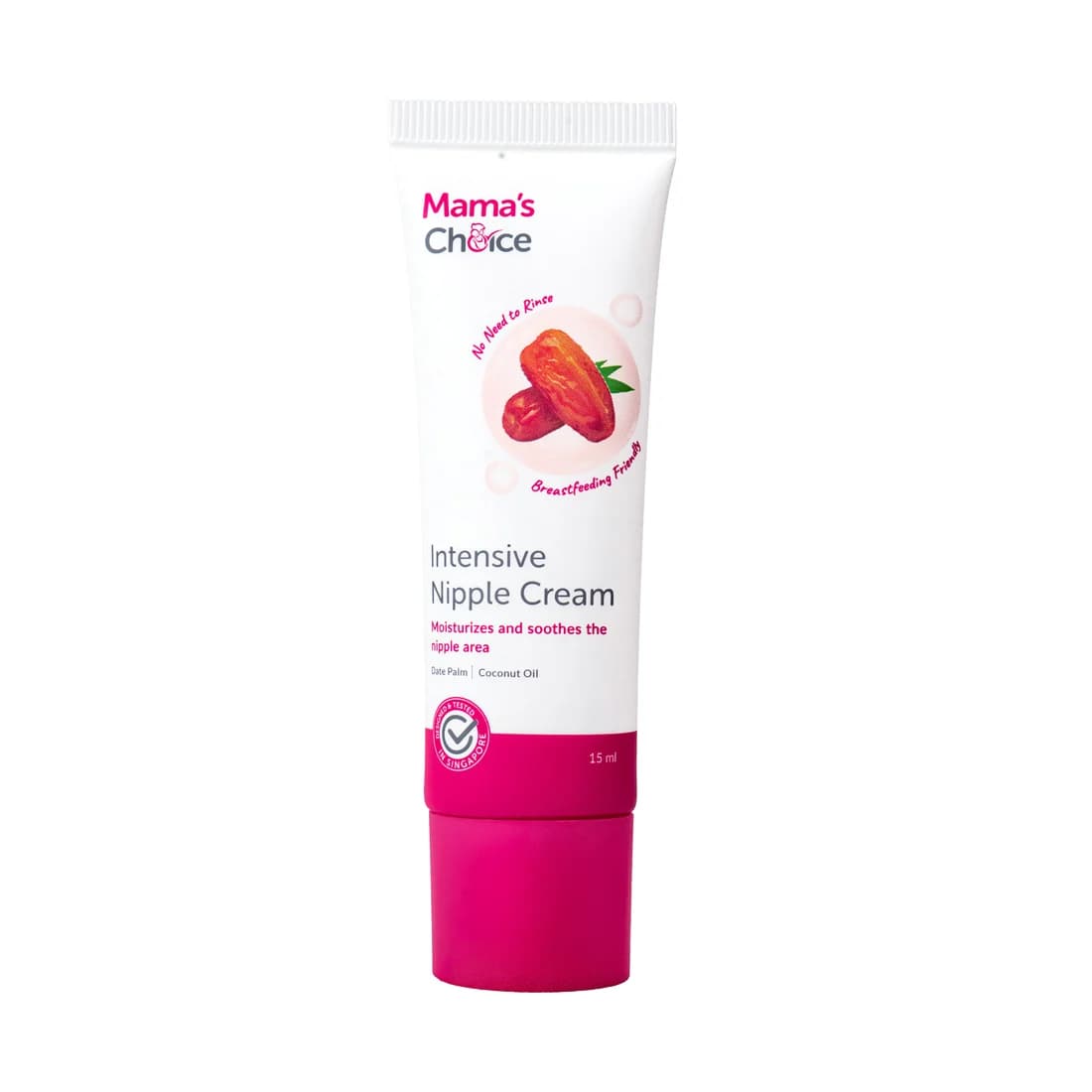
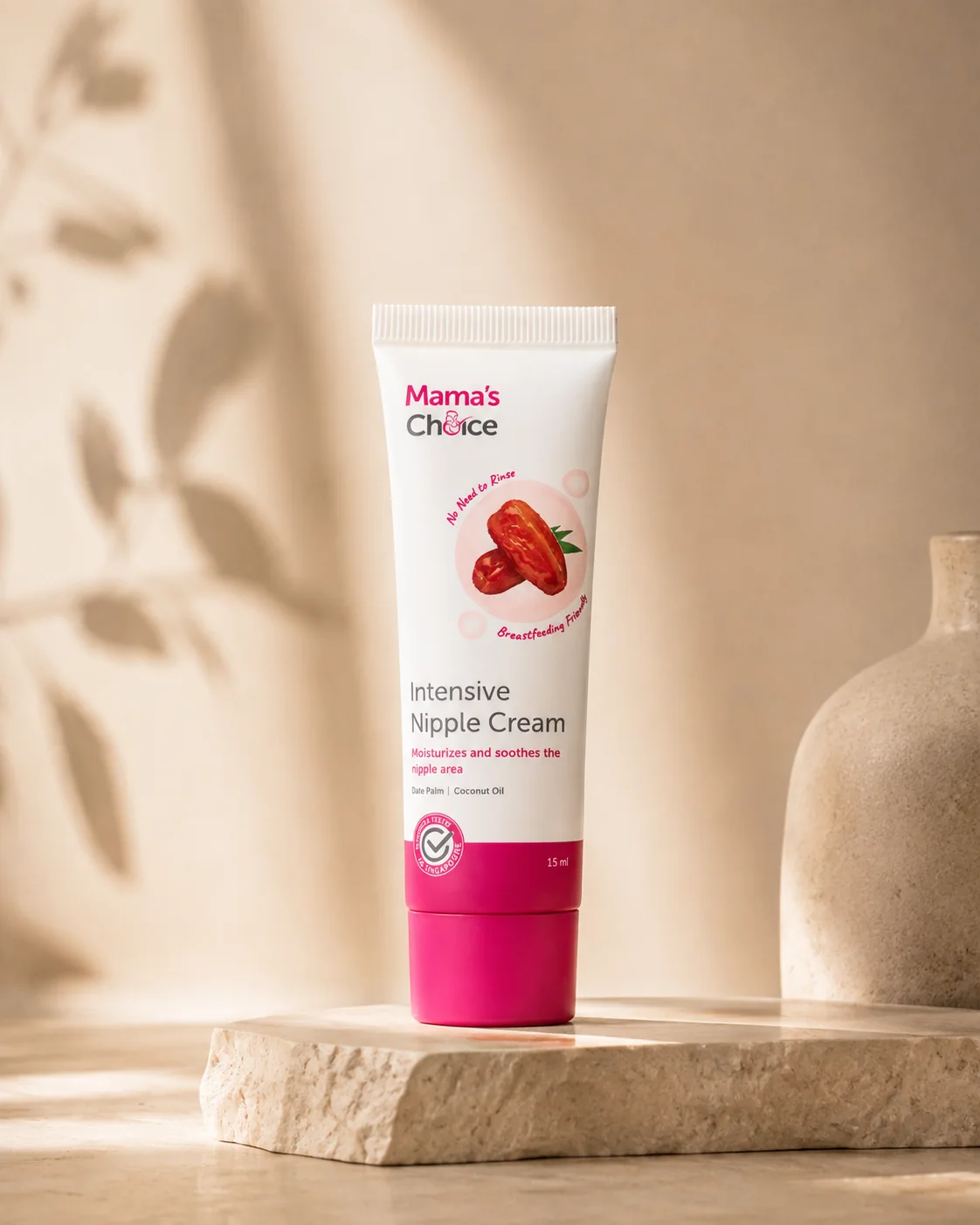
- Keep your nipples from cracking, for instance with Intensive Nipple Cream
That last one matters more than it sounds. Sore cracked nipples make Mamas avoid feeding, and avoiding feeds is what actually reduces supply.
When it needs looking at properly
A booster does not solve a problem with a different cause.
See a lactation consultant or doctor if:
- She is not gaining weight
- Fewer than six wet nappies a day after the first week
- Feeding is painful
- Supply drops suddenly and sharply
Worth ruling out: a shallow latch, tongue tie, retained placenta, thyroid problems, anaemia, and some medications including the combined pill.
All treatable. None of them treated by adding another booster.
Sources
Share this article
This article is for information only and is not a substitute for diagnosis or medical advice. Please discuss your own situation with your midwife or doctor.