Matcha in Pregnancy: How Much Is Reasonable
Matcha is high in antioxidants and higher in caffeine than most people expect. What it offers, the caffeine maths, and how it affects iron.
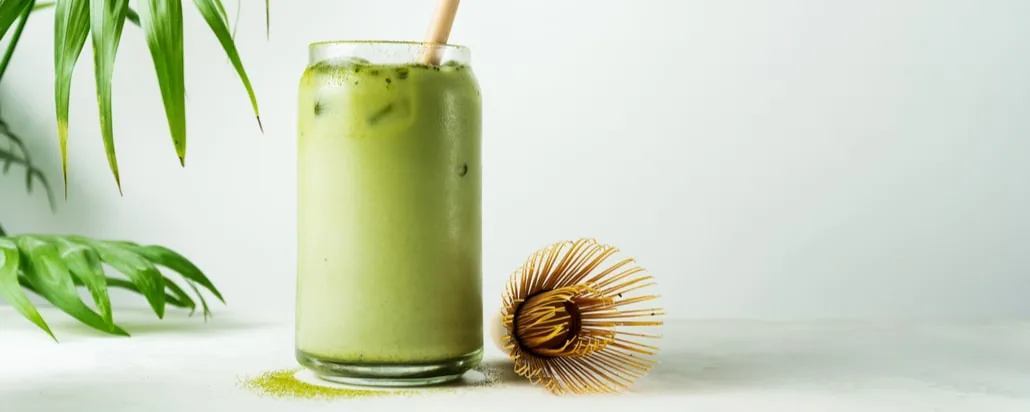
You swapped coffee for matcha because it felt like the responsible choice.
It might not be. Matcha is powdered green tea leaf, whisked into water rather than steeped and strained, so you consume the whole leaf. The good compounds arrive in higher concentration, and so does the caffeine.
That second half tends to get left out.
The maths
ACOG advises keeping caffeine under 200mg a day in pregnancy.
A cup of matcha is roughly 60 to 80mg depending on how you make it, against about 95mg for a cup of coffee and about 30mg for brewed green tea.
One or two cups fits comfortably. The problem starts when matcha gets treated as the caffeine-free alternative and drunk alongside the coffee.
| Drink | Typical caffeine |
|---|---|
| Matcha, 1 teaspoon (2g) | 60 to 70mg |
| Instant coffee, 1 cup | 60 to 80mg |
| Brewed coffee, 1 cup | 95 to 165mg |
| Black tea, 1 cup | 40 to 70mg |
| Green tea, 1 cup | 25 to 45mg |
| Cola, 1 can | 30 to 40mg |
| Dark chocolate, 50g | 20 to 40mg |
The 200mg covers everything on that list together, not each item separately. Chocolate and cola are the two nobody counts.
The iron problem
This matters more than most articles let on.
The catechins in matcha and green tea reduce absorption of non-haem iron, the kind in plant foods and in most supplements.
Your iron requirement has gone up substantially, and iron deficiency in pregnancy is common. So keep matcha away from iron-rich meals and from your iron supplement, ideally by an hour or two either side.
Drinking it between meals solves the whole thing.
What matcha is genuinely good for
Antioxidants, particularly catechins, in higher concentration than brewed green tea because you are consuming the leaf.
L-theanine, an amino acid associated with a calmer alertness than coffee gives. People do notice this one.
A gentler curve for many people, which is probably the L-theanine at work.
The broader claims about liver protection, cancer prevention and heart health come mostly from population studies of green tea drinking. Worth knowing about, and not a reason to drink matcha during pregnancy specifically.
About the L-theanine
It is the usual reason matcha gets recommended, and the effect is real and modest.
It does not reduce the caffeine, and it does not change how much crosses the placenta. Treat it as a reason you might prefer how matcha feels, not as a reason the caffeine counts for less.
While breastfeeding
Caffeine reaches your milk in small amounts.
Most guidance says keep it moderate rather than avoid it, and newborns clear caffeine more slowly than older babies do. If she seems unusually wakeful or unsettled, cutting your caffeine for a week is a reasonable experiment.
The iron point applies here too, particularly if you bled heavily at the birth.
Practically
- Between meals, not with them
- Earlier in the day, because caffeine in the afternoon costs sleep you cannot spare
- With milk, if that sits better
- Counted into the daily total, alongside the coffee and the tea
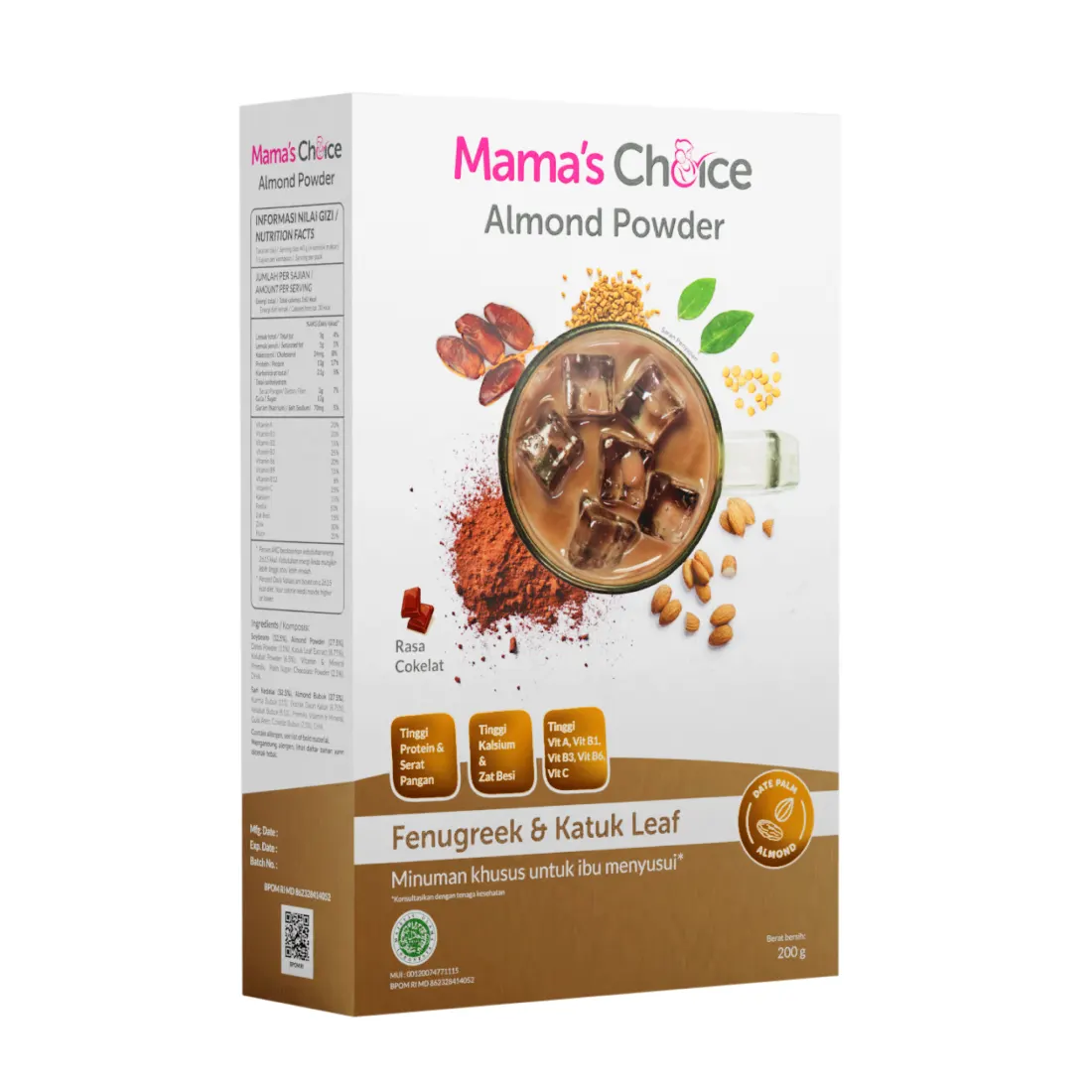
Mama's Choice Almond Milk Powder is a caffeine-free option for mid-afternoon, built on almond, fenugreek, katuk leaves and dates.
Be more careful if
Your doctor has told you to limit caffeine further, for instance with some heart conditions or a history of miscarriage where the advice differs.
You are iron deficient, where the timing matters more than the amount.
You are taking green tea extract supplements. Different proposition entirely. High-dose green tea extract has been associated with liver problems, at concentrations far above anything you would drink. A drink and a concentrated extract are not the same thing.
When to ask a doctor
- If you are not sure how much caffeine is reasonable in your circumstances
- If you take iron supplements and want to know how to time them
- If you are considering any green tea extract supplement
- If your baby is consistently unsettled and you are wondering whether caffeine is part of it
Sources
Share this article
This article is for information only and is not a substitute for diagnosis or medical advice. Please discuss your own situation with your midwife or doctor.