Judging a Stretch Mark Cream on Evidence, Not Claims
Six criteria that separate stretch mark creams, the ingredients with research behind them, and how long to use one before judging whether it works.

Two tubes, same promise, one costs eight times the other. Neither label tells you why.
Six things genuinely separate them. Price is not among them.
The six
Formulated for pregnancy and breastfeeding. Not "suitable for all skin types", which means nothing. A product intended for this stage should say so, because it means whoever formulated it thought about which actives are off the table.
Full composition published. The whole ingredient list, not a highlight reel of whichever ones sound best. If a brand publishes only what flatters the product, you cannot judge the rest of it.
Registered with BPOM. A floor rather than a recommendation, and a product that has not cleared the floor is not worth further thought.
Evidence, not a percentage. When a figure is published, ask what produced it. A satisfaction survey reports impressions. A test with a comparison group measures change. Both are legitimate and they are not interchangeable, and a percentage with no method attached tells you nothing at all.
A texture you will use twice a day. Sounds trivial, decides most outcomes. A cream that feels heavy under clothes in this climate gets used for a fortnight and abandoned, and consistency is the largest single variable in how any of these perform.
No strong synthetic fragrance or alcohol. Your skin is more reactive than usual, and something you apply to a large area twice a day is not the place to gamble.
Ingredients with something behind them
Centella asiatica. One of the better-studied botanicals for supporting your skin's own collagen production, and widely used in scar care.
Hyaluronic acid. Research suggests it can soften the appearance of newly formed marks. Note both words: appearance, and newly formed.
Soy isoflavones, such as Lypobelle Soyaglicone, which support collagen production rather than only sitting on the surface.
Shea butter, jojoba oil and olive oil. Occlusives that hold moisture in. Well-hydrated skin stretches further before it tears, and is considerably more comfortable while it does.
Aloe vera and alpha bisabolol. Soothing, which matters more than it sounds. Scratching damages skin already under strain.
Niacinamide. For tone and unevenness around marks that have already formed.
What to be wary of
Retinoids. Effective for scarring generally, and avoided in pregnancy.
Anything claiming to remove stretch marks. A stretch mark is scar tissue in the dermis. Nothing topical clears it, and a brand promising otherwise is telling you something useful about itself.
Percentages with no method. The most common way this whole category is sold.
A very short ingredient list on a heavily marketed product. Sometimes an elegant formula. Sometimes a moisturiser in a more expensive bottle.
When to start, and how long to give it
Start early, ideally in the second trimester before the bump grows fastest. Red marks respond better than white ones.
Twice a day, massaged in, everywhere that stretches. Belly, breasts, hips, thighs, upper arms.
Give it three months. In the first weeks what changes is comfort: less dryness, less itching. Changes in how the marks look take considerably longer and vary between people.
Carry on after the birth. Marks keep changing for months, and the window while they are red is the one that responds.
What is realistic
Said before any product: no moisturiser has been shown to prevent stretch marks.
Whether they appear is decided mostly by genetics, how fast your skin stretches, and hormones. What topical care does is keep your skin in the best condition available to it while it is stretched, and soften how the marks look afterwards.
That is a real benefit. It is smaller than the category usually claims.
Ours
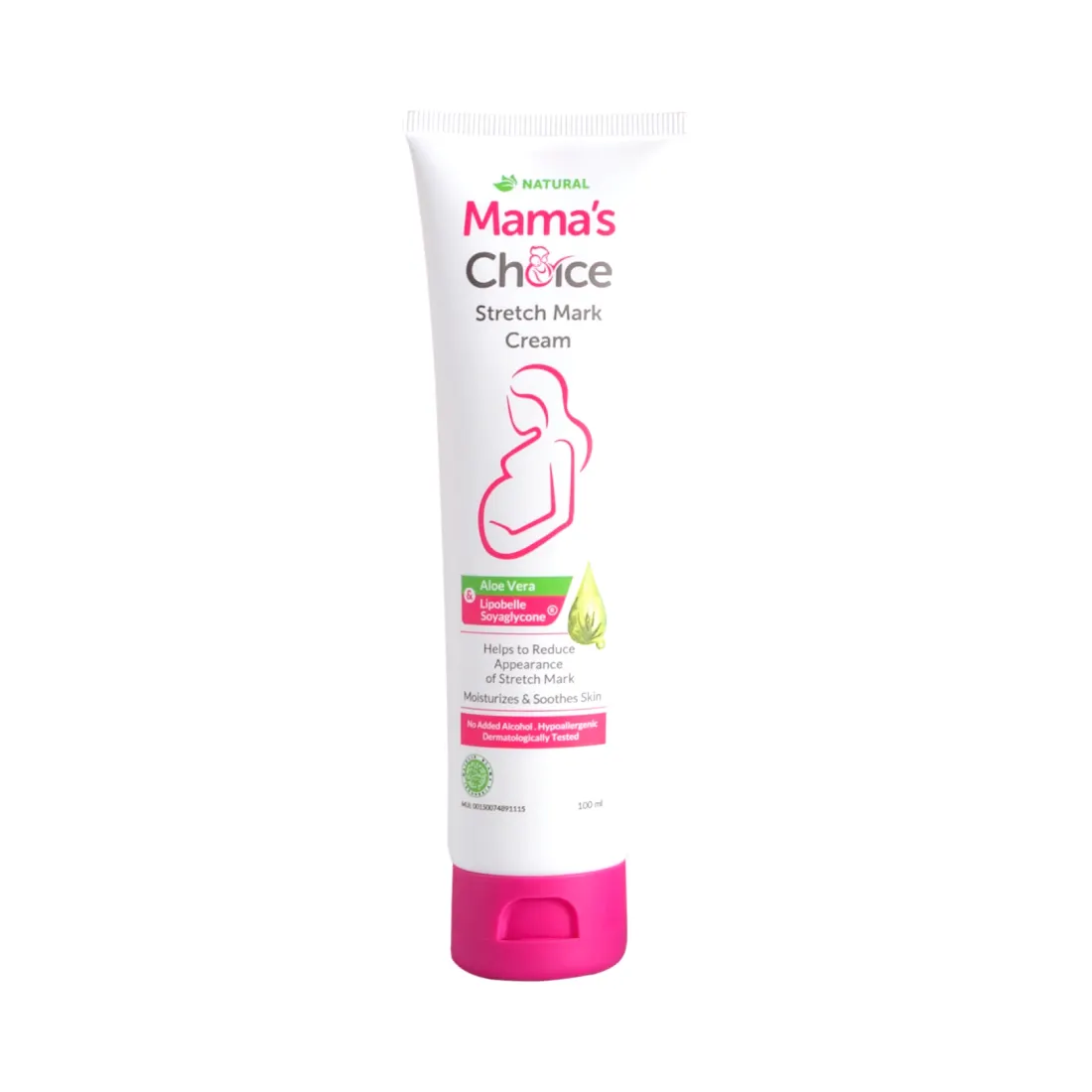
Stretch Mark Cream is the daily layer, water-based and non-sticky.
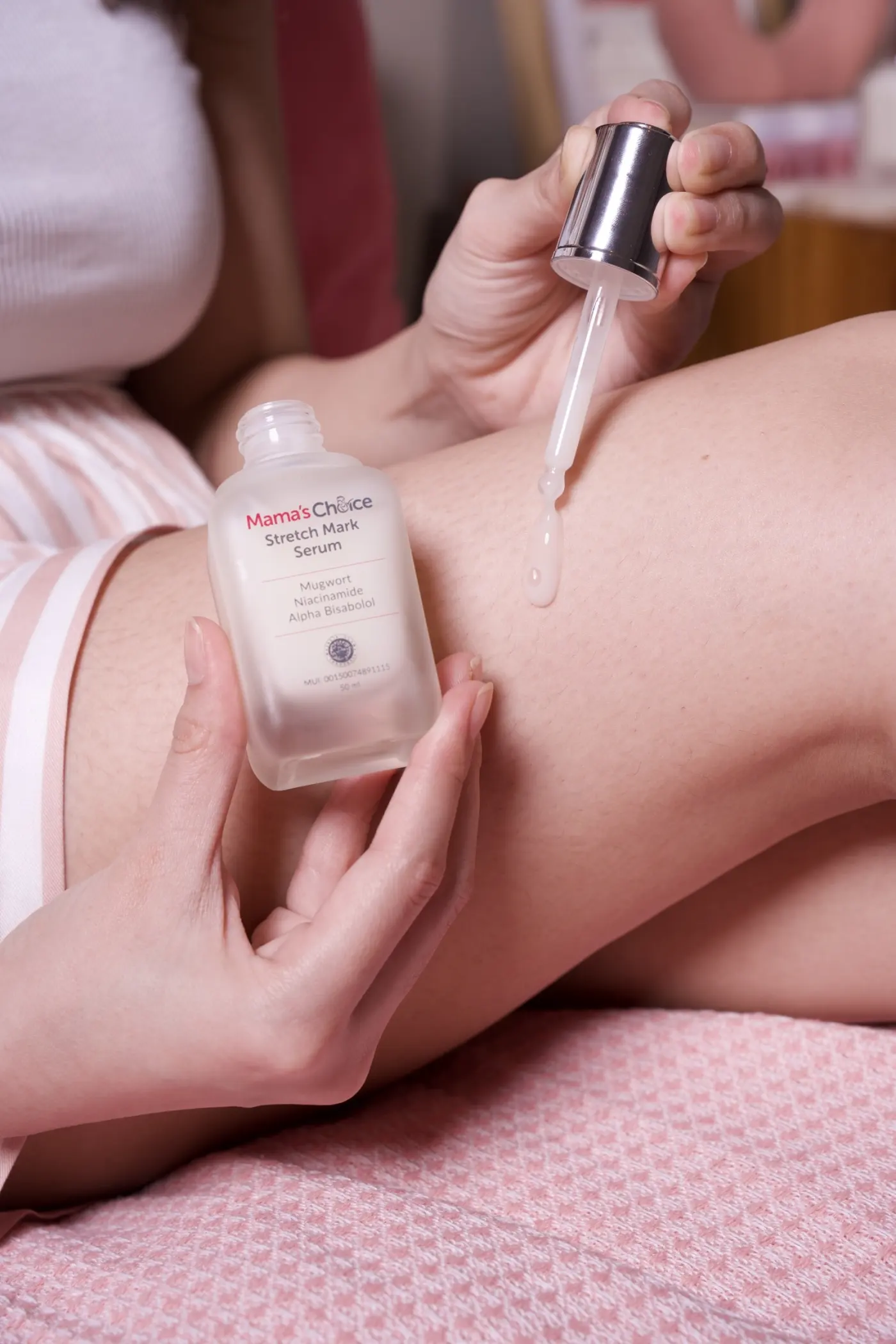
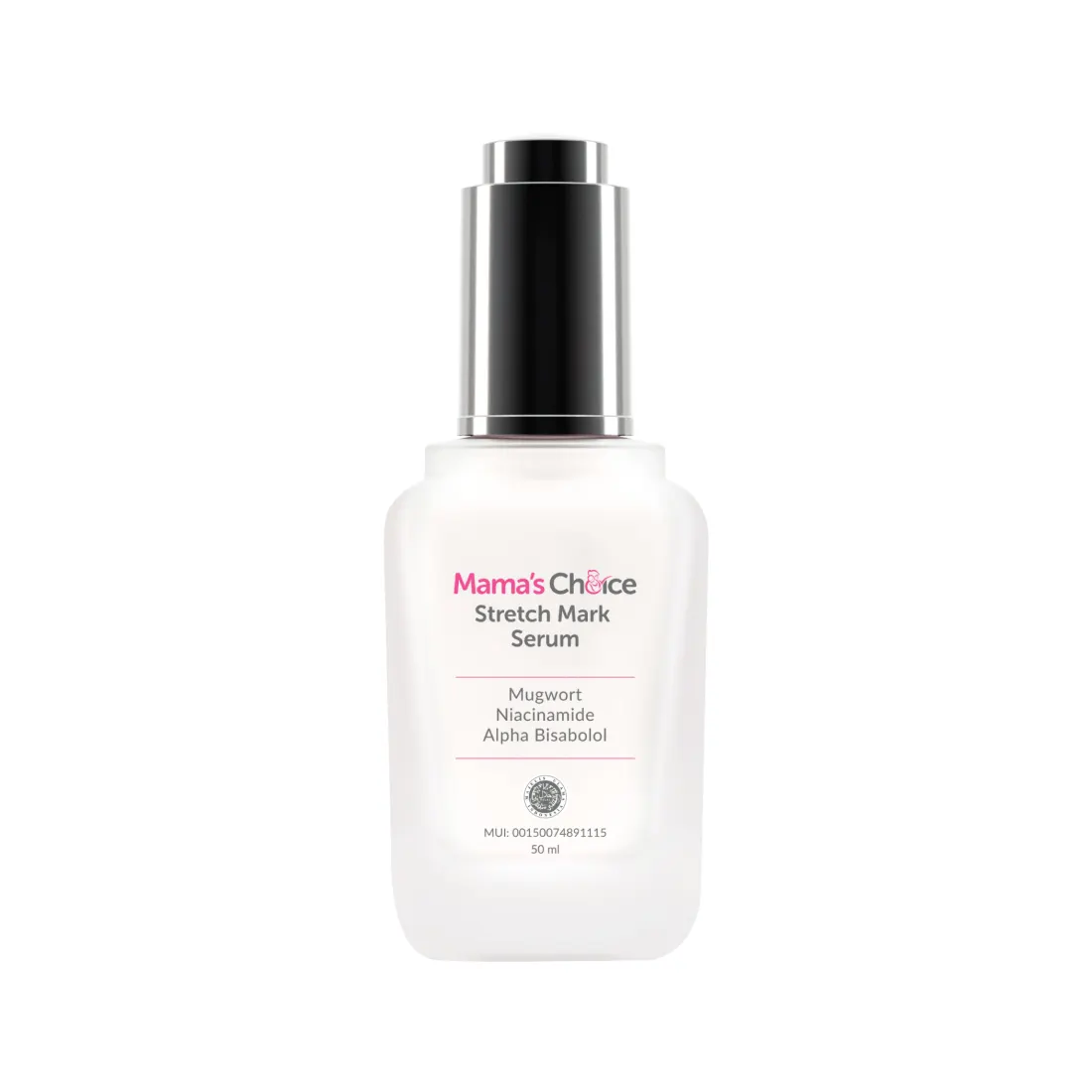
Stretch Mark Serum is lighter, aimed at marks already there.
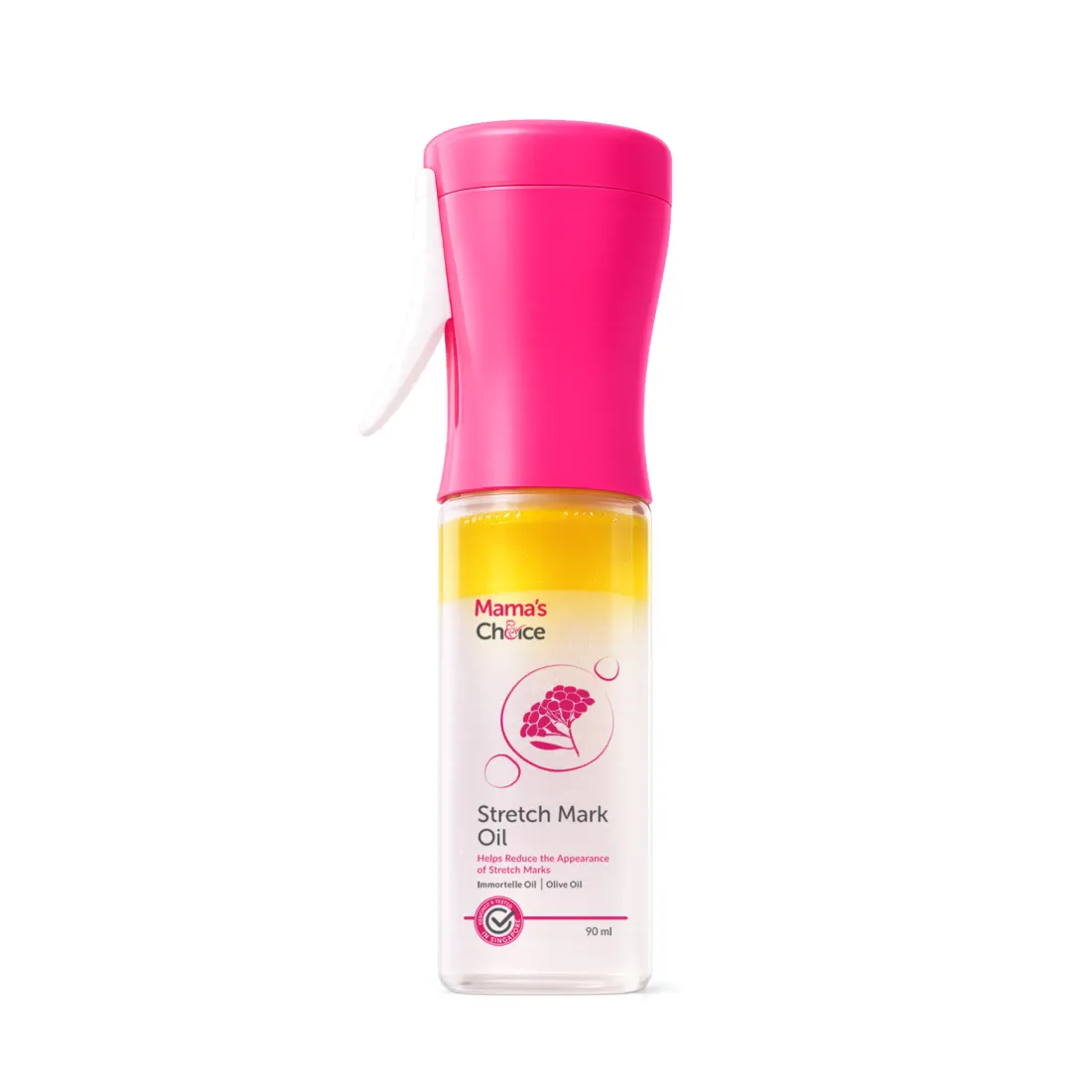
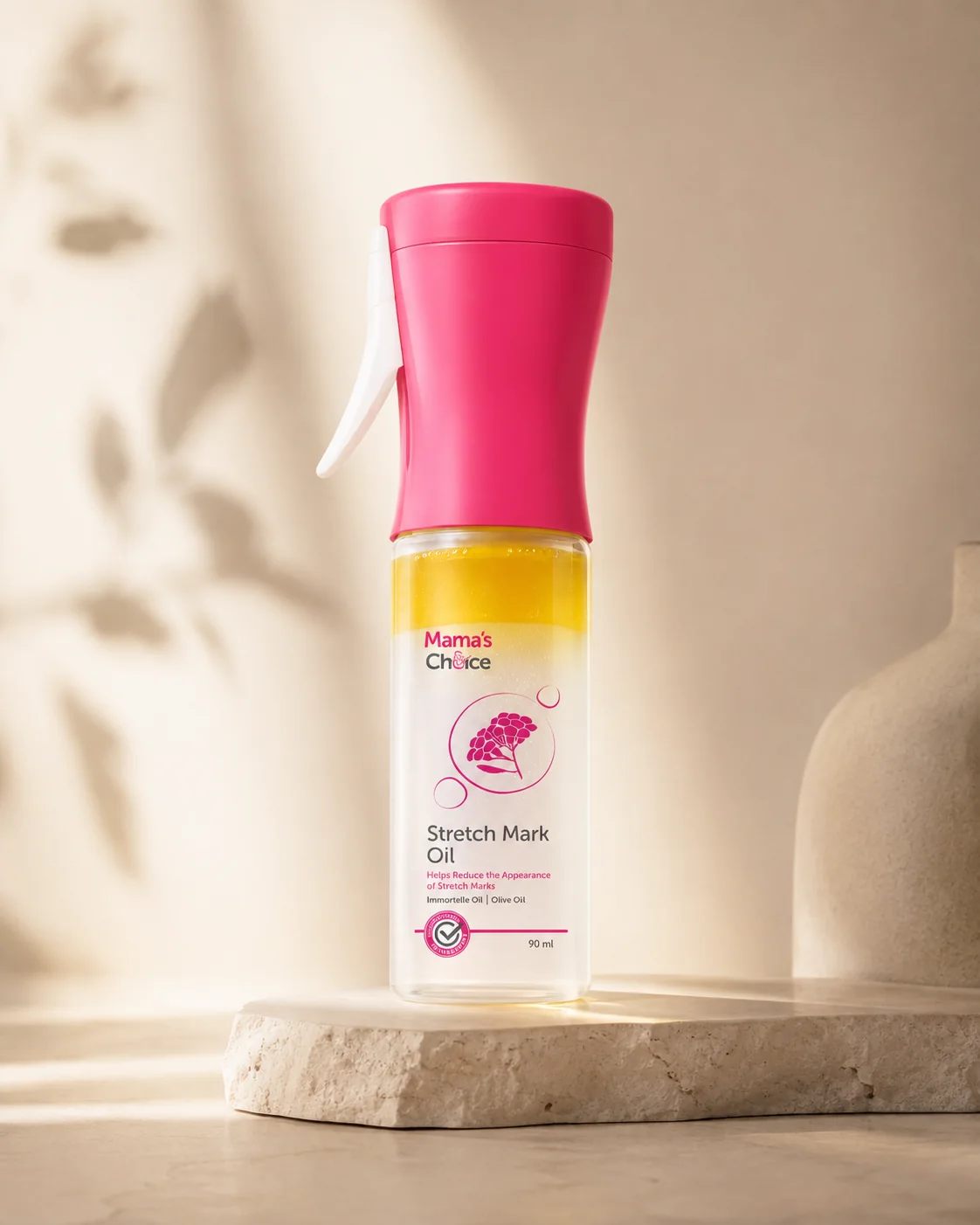
Stretch Mark Oil is the heaviest of the three, and the one most Mamas reach for when skin is dry and itchy in the evening.
Full ingredient lists are in our ingredient dictionary, and the figures behind our claims, with their sample sizes, are on the evidence page.
Sources
- American Academy of Dermatology — management of striae distensae
- Mama's Choice — Spincontrol Thailand clinical test 2023, n=22
Share this article
This article is for information only and is not a substitute for diagnosis or medical advice. Please discuss your own situation with your midwife or doctor.