How Long Stretch Marks Take to Fade
Stretch marks are permanent scars that fade rather than disappear. Realistic timelines, which treatments do what, and the home remedy to avoid entirely.

Six weeks in, you are checking every morning, and they look exactly the same.
Nobody gives you the timeline, so:
The honest answer
Like any scar, stretch marks are permanent. What changes is how visible they are.
They typically fade over 6 to 12 months, sometimes longer, from red or purple to a silvery white that sits much closer to the skin around them. That fading happens on its own, whether or not you do anything.
Treatment can make them less noticeable and, sometimes, move it along faster. Nothing erases them, and anything promising to is overselling.
Which stage you are at
Red or purple means recent. There is still blood supply underneath, and this is the stage that responds best to anything you do.
Silvery white means mature scar tissue. No pigment, no active blood supply. Harder to change, though not impossible to soften.
This is the strongest argument for starting early, and the reason Mamas who begin late feel let down.
What to expect month by month
Weeks 1 to 4. Your skin feels less dry and itchy. The marks look identical. That is still a result, and it is the point most people give up.
Months 2 to 3. Red marks usually start lightening. Worth knowing that this also happens without treatment.
Months 6 to 12. Most have faded towards silvery white. Consistent care through this window is what separates one Mama's result from another's.
Beyond a year. Slower. Marks can still be softened, and clinical treatments become the more effective route.
What consistent care looks like
Twice a day, ideally straight after a shower while your skin is still damp, massaged in rather than smeared on.
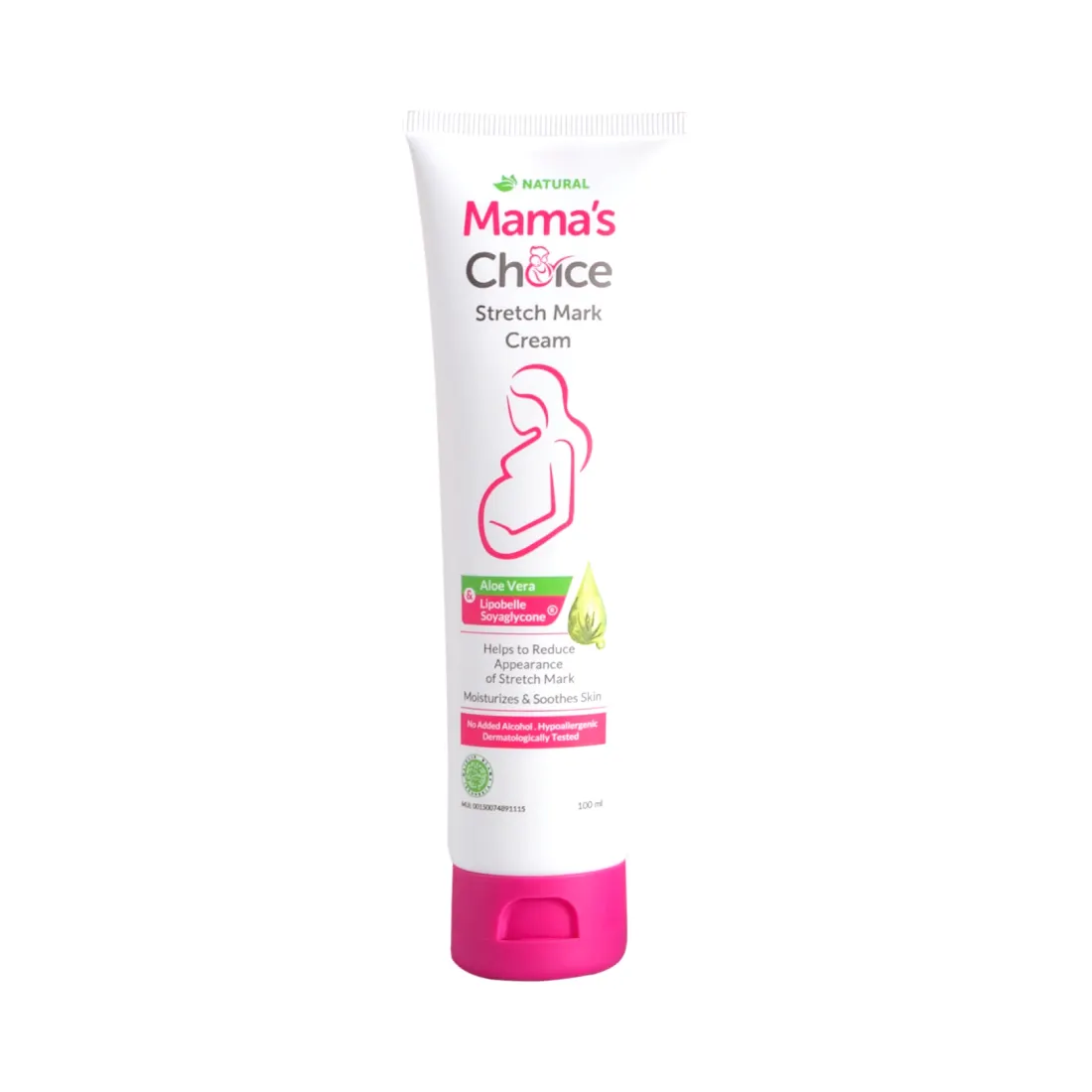
Mama's Choice Stretch Mark Cream is the daily layer, with Lypobelle Soyaglicone, aloe vera and shea butter.
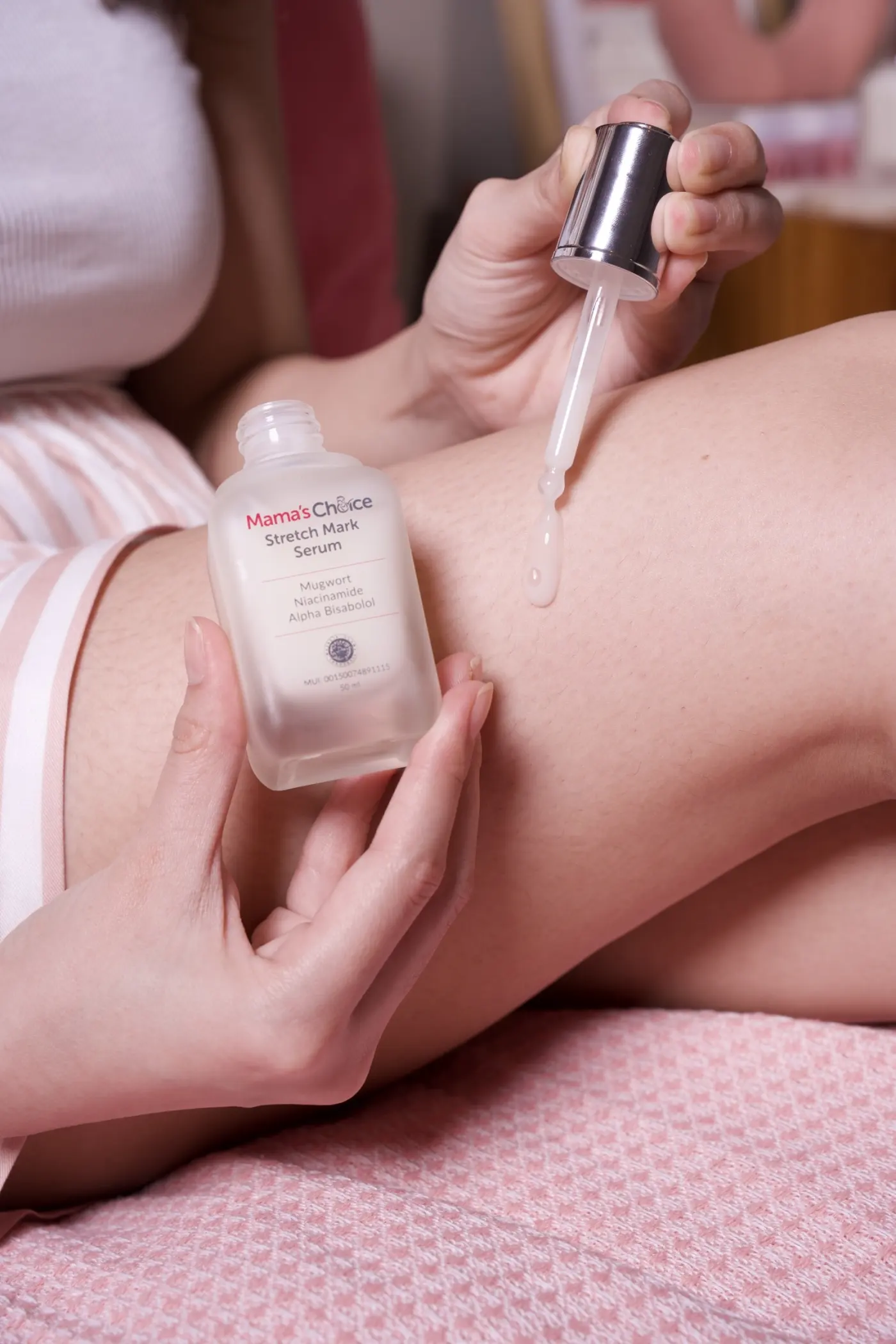
Mama's Choice Stretch Mark Serum is lighter and aimed at marks already there, with alpha bisabolol, mugwort and niacinamide.
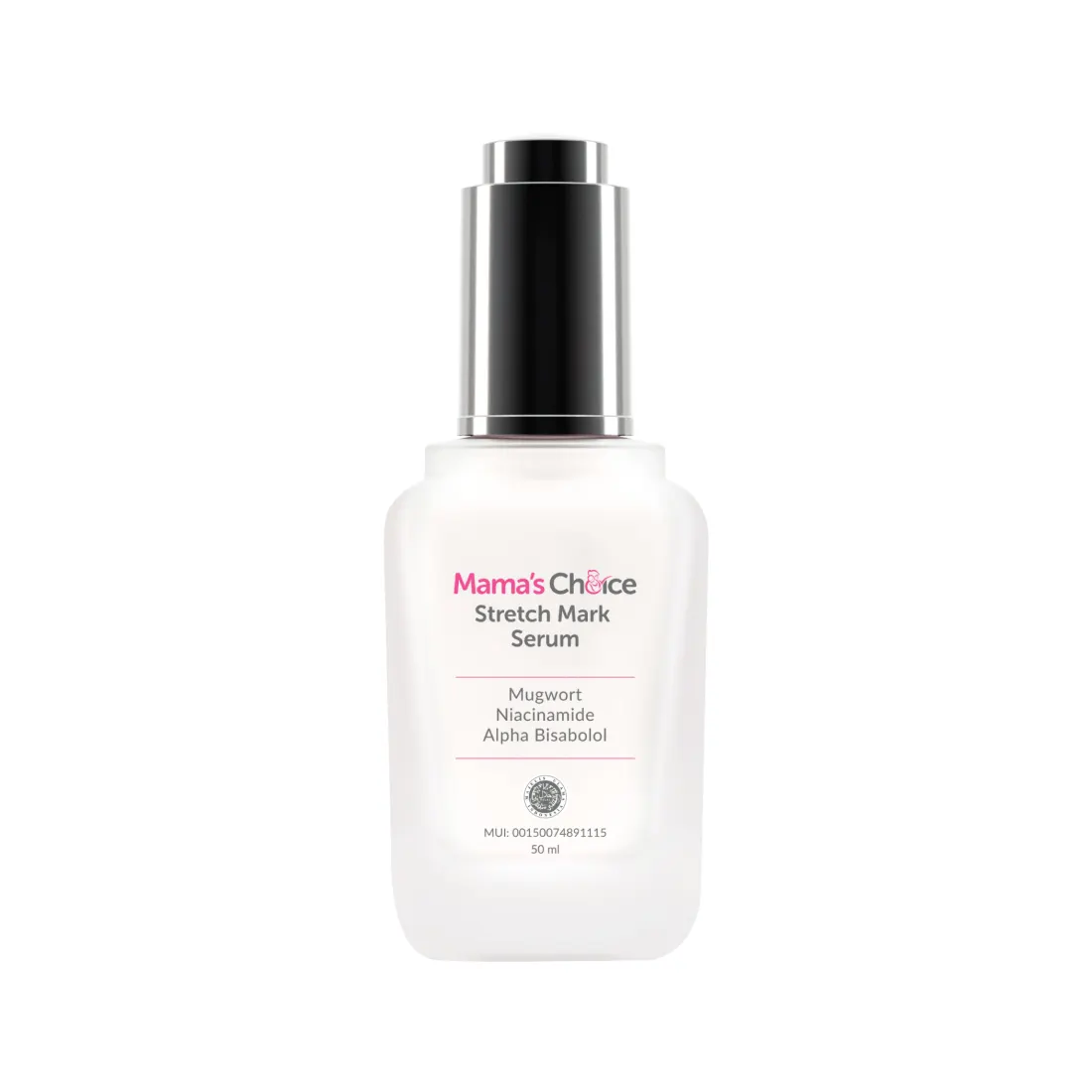
Both made for use during pregnancy and breastfeeding.
Which ingredients do something
Alpha bisabolol. Anti-inflammatory and antioxidant, supporting your skin's own healing and collagen turnover. It also inhibits melanin production, which helps with the darker marks that sometimes come alongside.
Hyaluronic acid. Research suggests topical hyaluronic acid can soften the appearance of newly formed marks. Precisely that: appearance, not removal. A stretch mark is scar tissue in the dermis, and nothing topical clears it.
Turmeric. Contains polyphenols that suppress melanocyte activity, which is why it turns up in remedies for dark patches. If you use it, mix with plain water or honey, apply thinly, let it dry, rinse. Stop if your skin stings or reddens.
The one to skip
Do not put neat lemon juice on your skin.
It gets recommended constantly as a natural brightener, for the vitamin C and the acidity. Applied directly it does more harm than good.
Lemon juice is highly acidic and contains psoralens, which trigger irritation, contact dermatitis, and phytophotodermatitis, a reaction to sunlight that leaves darker patches lasting months.
If you want vitamin C on your skin, use a product formulated at a controlled concentration and pH.
What a clinic can do afterwards
All of these work best on marks still red, all need several sessions, and all are generally postponed until after breastfeeding.
Laser therapy. Focused light stimulates collagen production and softens how marks look.
Microneedling. Tiny punctures prompt your skin to produce collagen and elastin. Often used for the texture of stretch-marked skin rather than only the colour.
Chemical peels. Acids such as glycolic acid remove the upper layer and prompt collagen production.
How long any of it takes depends on how many sessions and how your skin responds. All of them belong with a professional: the risks are real, they do not suit every skin type, and none of them is cheap.
When it is worth seeing a doctor
Stretch marks themselves rarely need medical attention. Worth raising if they appear very fast with no weight change, if your skin is unusually thin and bruises easily, or if the marks are painful, warm, or ringed with spreading redness.
Sources
Share this article
This article is for information only and is not a substitute for diagnosis or medical advice. Please discuss your own situation with your midwife or doctor.