Hormonal Skin Changes in Pregnancy and How to Handle Them
Which pregnancy hormones do what to skin, the changes they cause, and a routine that works around the actives you cannot use for nine months.
Your skin has been behaving strangely for months and everything you read blames hormones without saying which one, or what it is actually doing.
So: which hormone, and what it is doing. Worth knowing mostly because it explains why all of it ends.
Who is doing what
hCG rises earliest and brings the nausea of the first trimester. It wrecks your skincare indirectly: it is hard to keep a routine when standing at the basin makes you gag.
hPL supports your baby's growth and changes how your body handles glucose.
Oestrogen rises steadily. It increases blood flow to your skin, stimulates melanin, and holds your hair in its growing phase.
Progesterone relaxes smooth muscle everywhere, which is why heartburn and constipation arrived, and it increases oil production in your skin.
Oxytocin runs contractions and milk let-down.
Relaxin loosens your ligaments ready for birth, which is why your joints feel unreliable.
What that does to your face and body
Pigmentation. Oestrogen and progesterone stimulate melanin. Result: melasma on your face, the line down your belly, darkening at the nipples, underarms and inner thighs.
Sunscreen every morning, no exceptions. UV is what makes those patches more noticeable. Most of it fades in the months after the birth.
Acne. More oil plus more sensitivity means breakouts, sometimes in Mamas who never had them. Gentle cleanser twice a day, and niacinamide or azelaic acid instead of the actives that are off the table. No retinoids, no high-dose salicylic acid.
Sensitivity. More blood flow and a more reactive immune response mean products that were fine last year now sting. Fragrance-free, one new product at a time, patch test on your inner arm for two days.
Stretching and itching. Belly, breasts and thighs stretch faster than usual and itch while doing it. Moisturise consistently, and try not to scratch.
Watch for this, though: severe itching with no rash, especially on your palms and soles and worse at night, needs same-day assessment. That pattern can mean cholestasis of pregnancy, and it is the one thing on this page that is not cosmetic.
The other things nobody mentioned
The linea nigra. A dark line down the middle of your belly, in most pregnancies. Same mechanism as melasma, and it fades afterwards. Nothing to do, and nothing you apply speeds it up.
Skin tags. Small soft growths in your armpits, under your breasts, on your neck, wherever skin rubs. Common in the second half. Harmless. Many disappear after the birth, and the ones that stay can be removed easily. Do not cut or tie one off yourself.
Spider veins. More blood volume plus hormonal effects on vessel walls. Face, chest and legs. Most fade within a few months of the birth, and the ones that remain treat well afterwards.
A routine that works around the restrictions
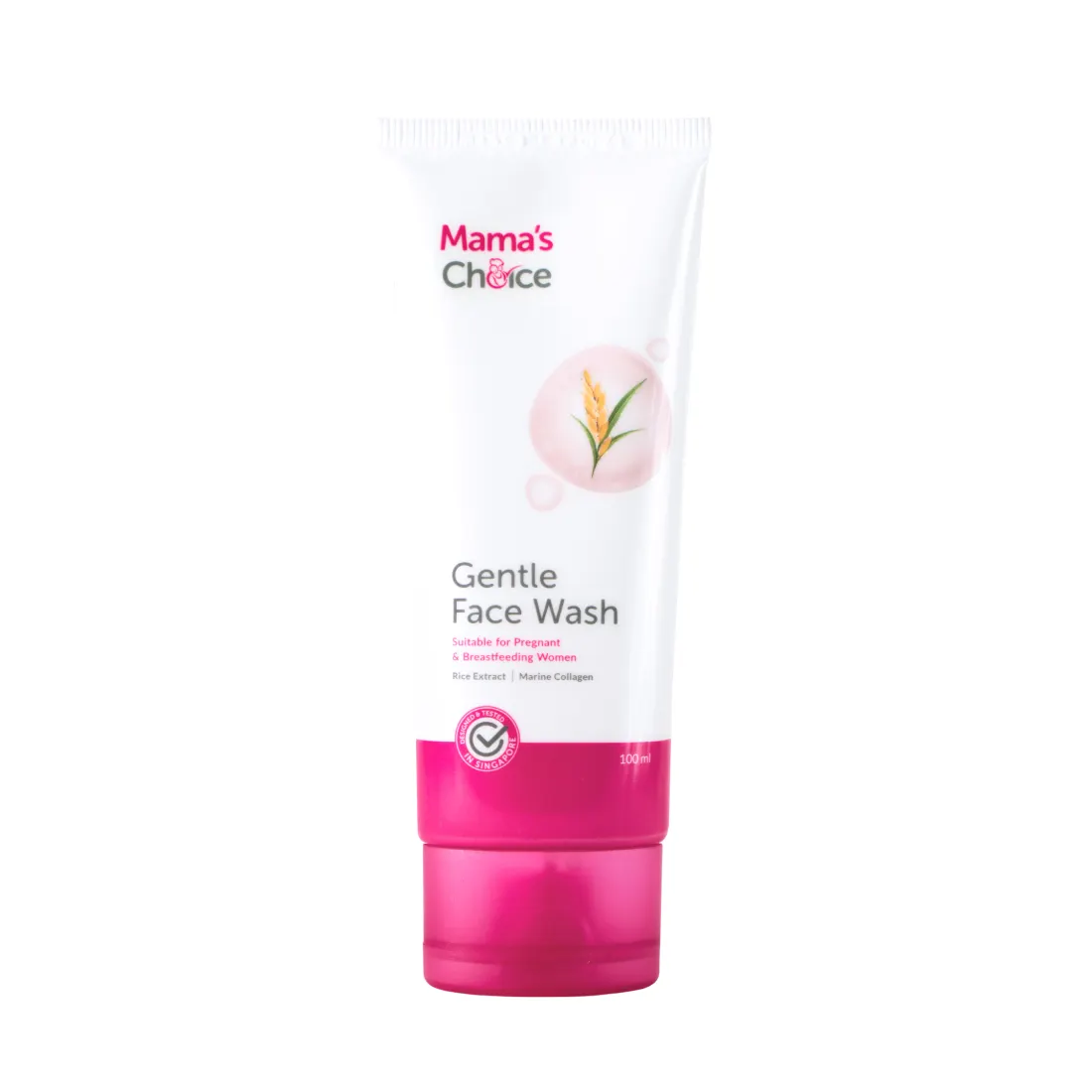
Gentle Face Wash uses rice extract and hydrolysed collagen on a mild base.
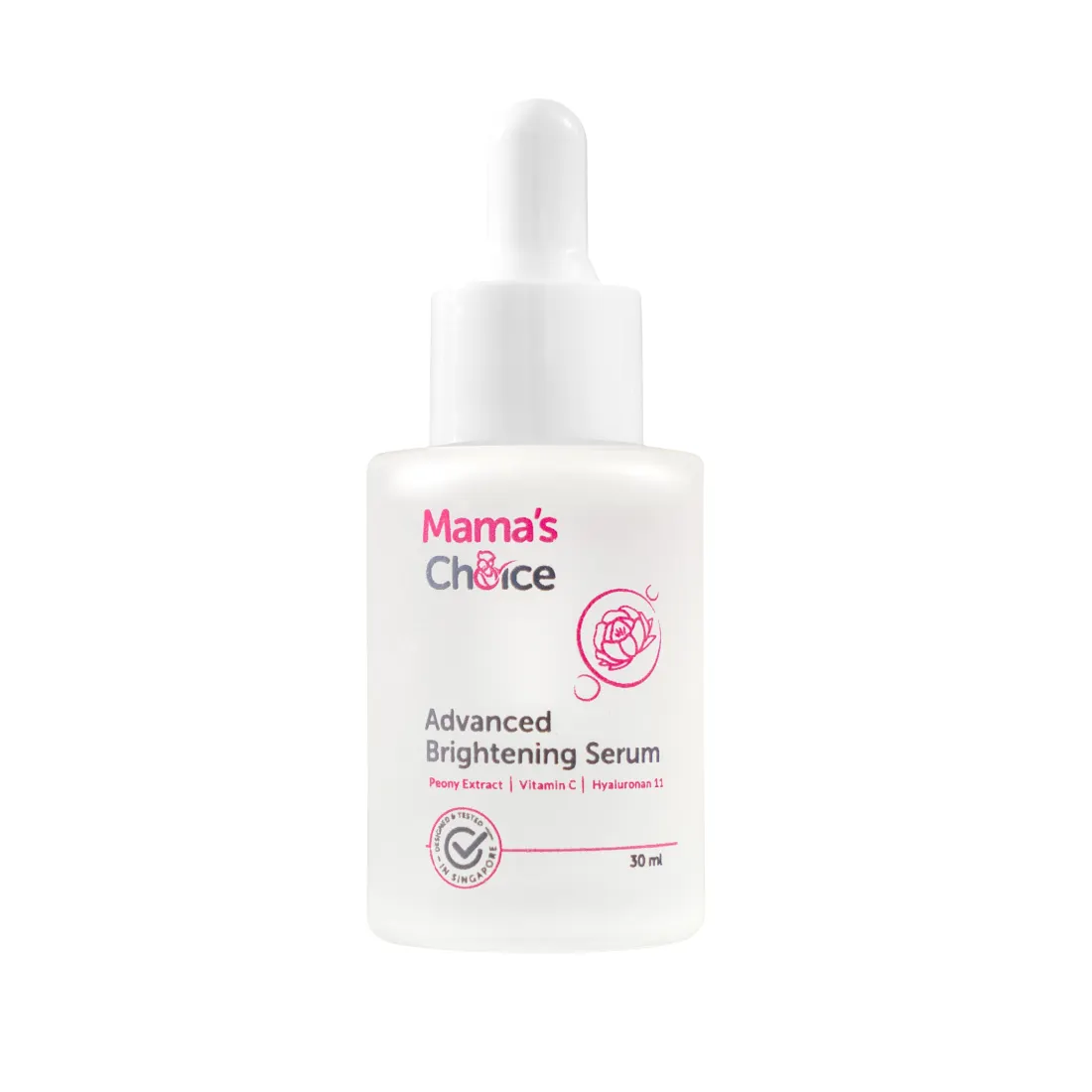
Advanced Brightening Serum is made for pregnancy and breastfeeding, with peony extract, vitamin C, a hyaluronan multi-complex, ceramide NP and niacinamide.
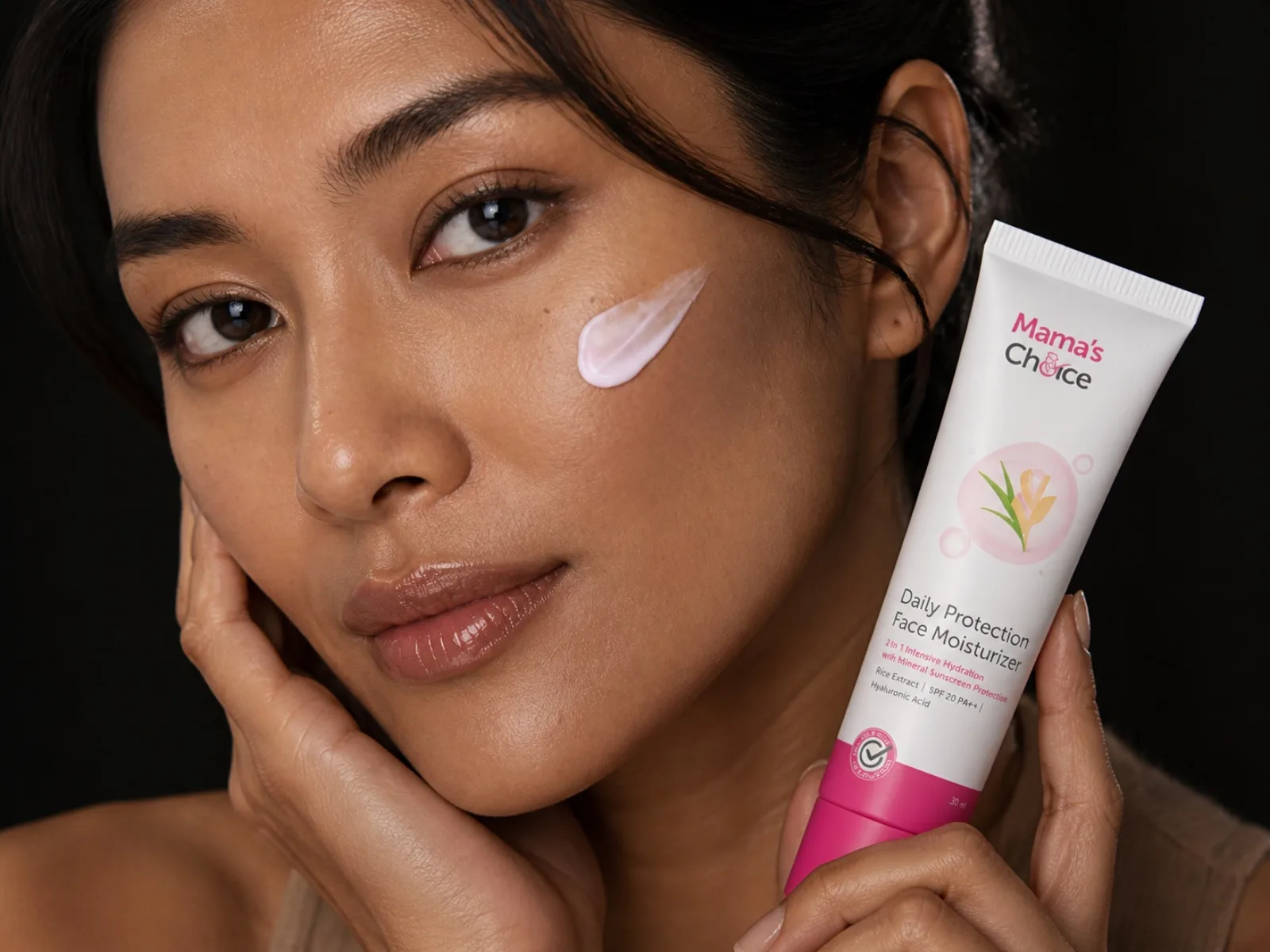
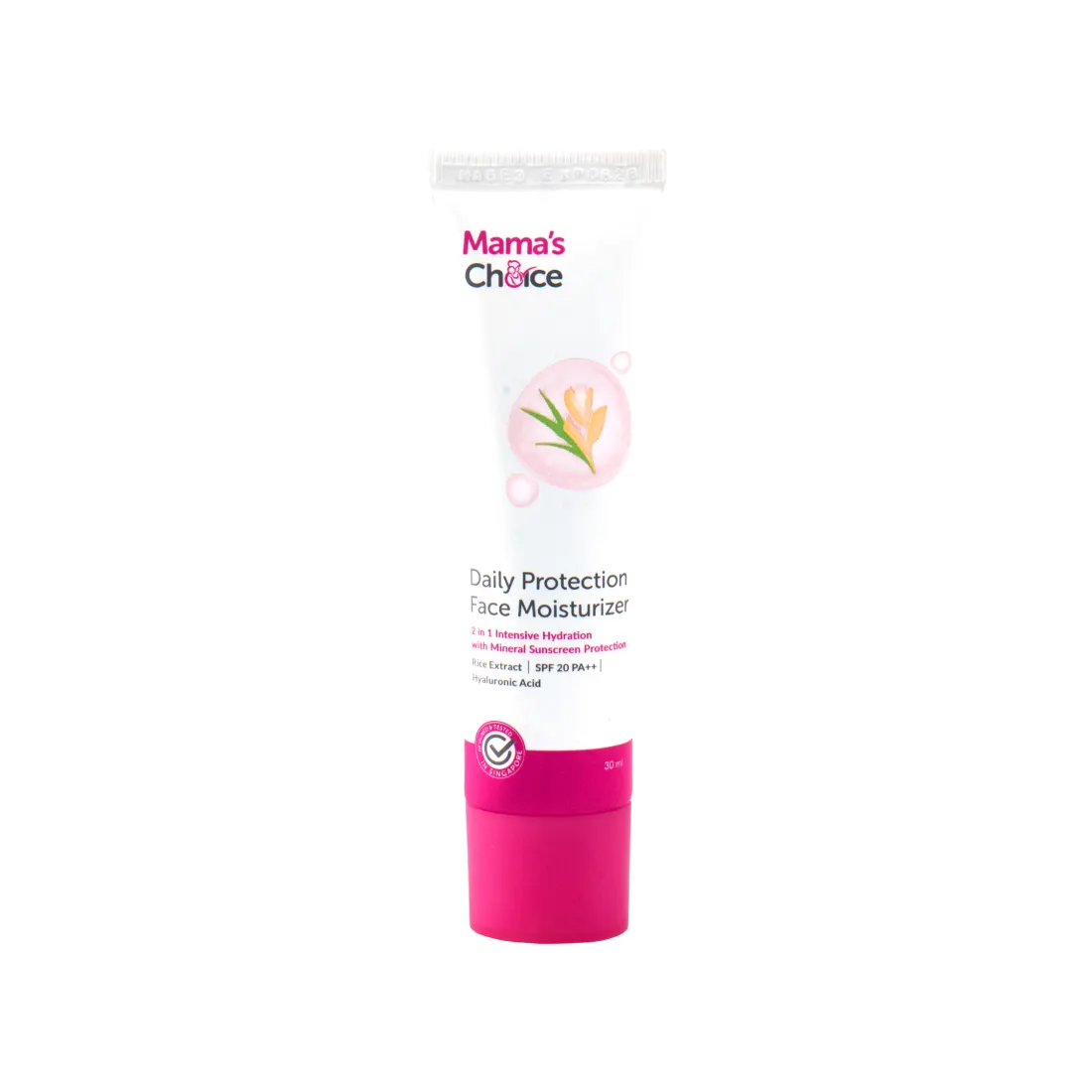
Daily Protection Face Moisturizer SPF 20 PA++ does moisturising and sun protection at once.
Cleanse, treat, protect, morning and night. Consistency beats complexity here, particularly in a trimester where getting to the basin at all is the challenge.
What to wait for
| Want to treat | Now | After |
|---|---|---|
| Melasma | Sun protection, vitamin C, niacinamide | Prescription creams, in-clinic treatment |
| Acne | Azelaic acid, niacinamide, gentle routine | Retinoids, oral options |
| Spider veins | Nothing needed | Laser if they persist |
| Skin tags | Leave them | Removal if they stay |
| Stretch marks | Moisturise for comfort | Laser, microneedling |
The pattern holds throughout: now you manage and protect. Afterwards you treat.
What settles by itself
Most of it. Pigmentation fades, oil production goes back to whatever was normal for you, sensitivity settles as your hormones do.
Two things often do not fully revert. Your nipples and areolas tend to stay somewhat darker, and hair texture sometimes changes permanently after the postpartum shed.
Neither needs treating, and both surprise Mamas who were expecting everything to go back.
When to see a doctor
- Acne bad enough that you would want a prescription
- A rash spreading or blistering
- Severe itching with no rash, especially palms and soles
- A mole changing size, shape or outline
- Skin changes alongside swelling in your face and hands, a severe headache, or changes to your vision
That last combination is pre-eclampsia rather than skincare, and it needs assessing urgently.
Sources
Share this article
This article is for information only and is not a substitute for diagnosis or medical advice. Please discuss your own situation with your midwife or doctor.