Hair Care Under a Hijab: Preventing Breakage
Covered hair spends the day warm and often damp. What that does, how to reduce breakage, and the habits that matter more than any product.
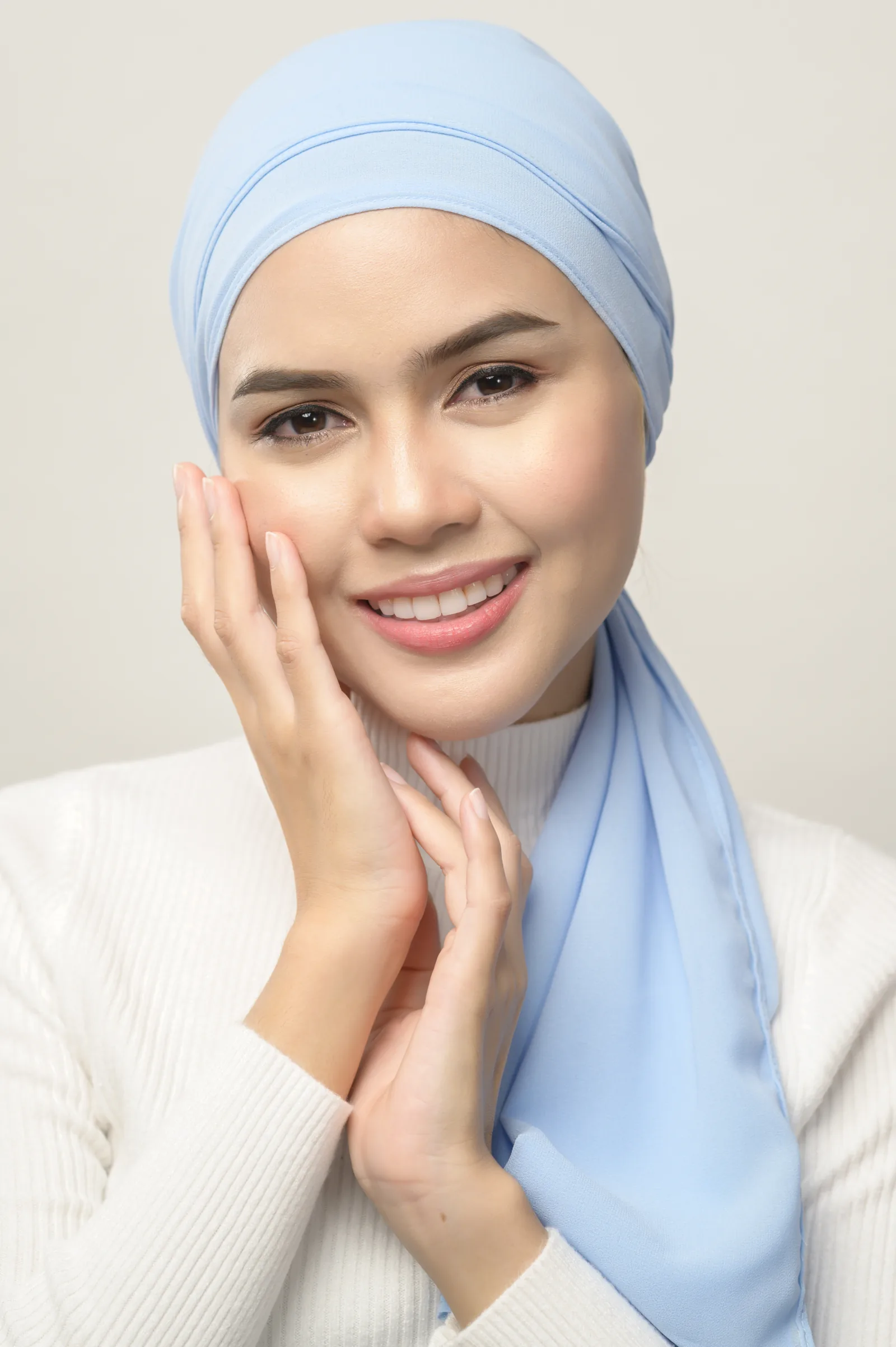
Your hair spends most of the day warm, still, and sometimes not quite dry.
None of that damages hair on its own. It does make a handful of habits matter considerably more than they would otherwise.
What actually causes the damage
Tying it too tightly. The most common cause and the most avoidable. Constant tension on the hairline leads to traction alopecia, which reverses easily early on and becomes stubborn once it is established.
Covering damp hair. Hair is weakest wet, and a warm damp scalp under fabric all day is where irritation and fungal problems start.
Friction. Fabric rubbing the same section repeatedly roughens the cuticle, and that is what breaks hair along the lengths.
Heat. From the dryer you use to get it dry quickly before covering, rather than from the hijab.
Note what is not on that list: covering your hair. Hair does not need daylight or air circulation to be healthy.
Four things that help
Loosen how you tie it. A low loose bun or a soft plait, tied with fabric rather than a tight elastic. Move where the tie sits from day to day so the same section is not always under tension.
A headache when you take it down means it was too tight.
Dry it fully before covering. The single most useful habit on this page. If you are short of time, a cooler dryer setting on the roots specifically beats covering damp hair.
Choose gentler products. Avoid high concentrations of SLS, which strips already-dry hair, and strong synthetic fragrance, which is worth avoiding in the first trimester when your sense of smell is sharper.
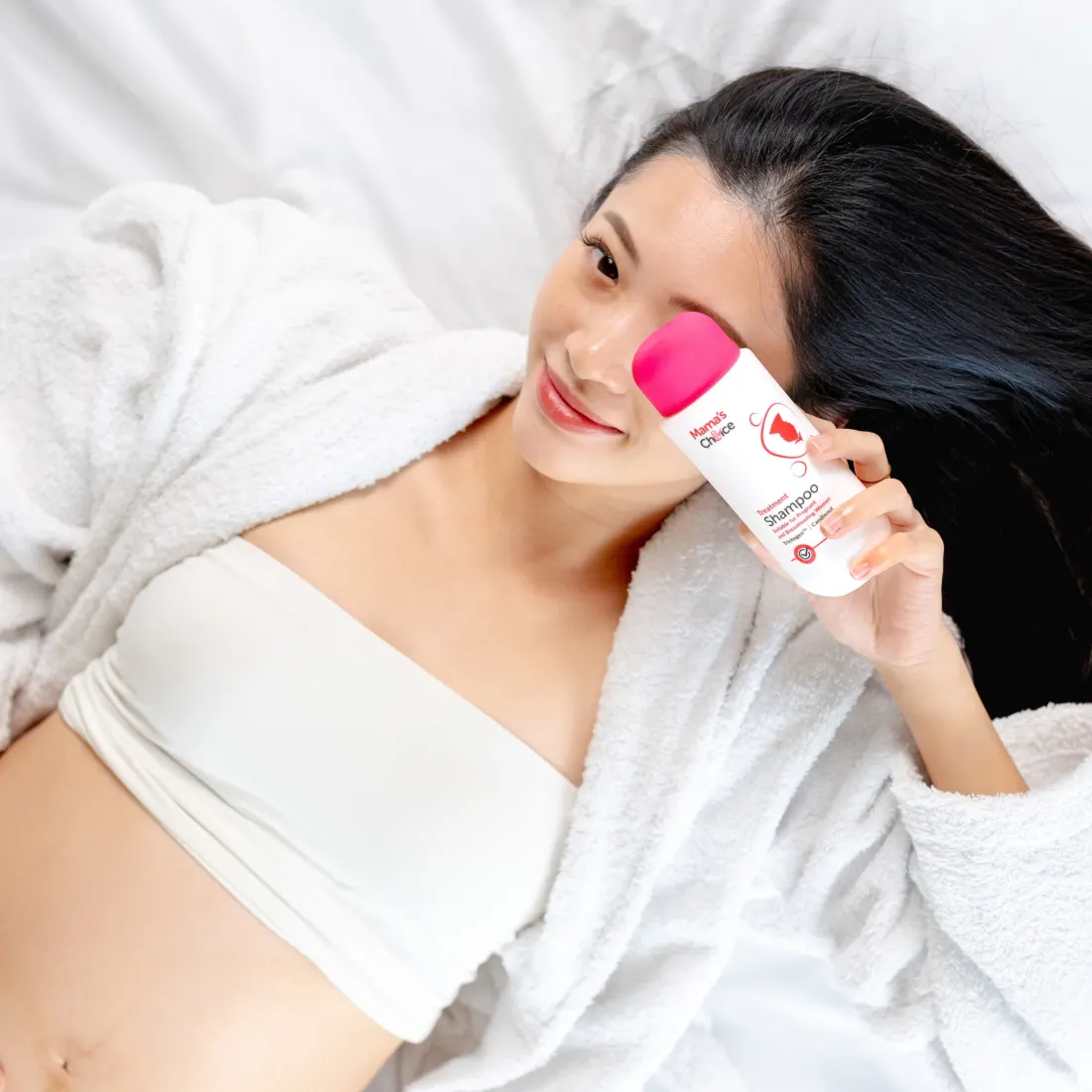
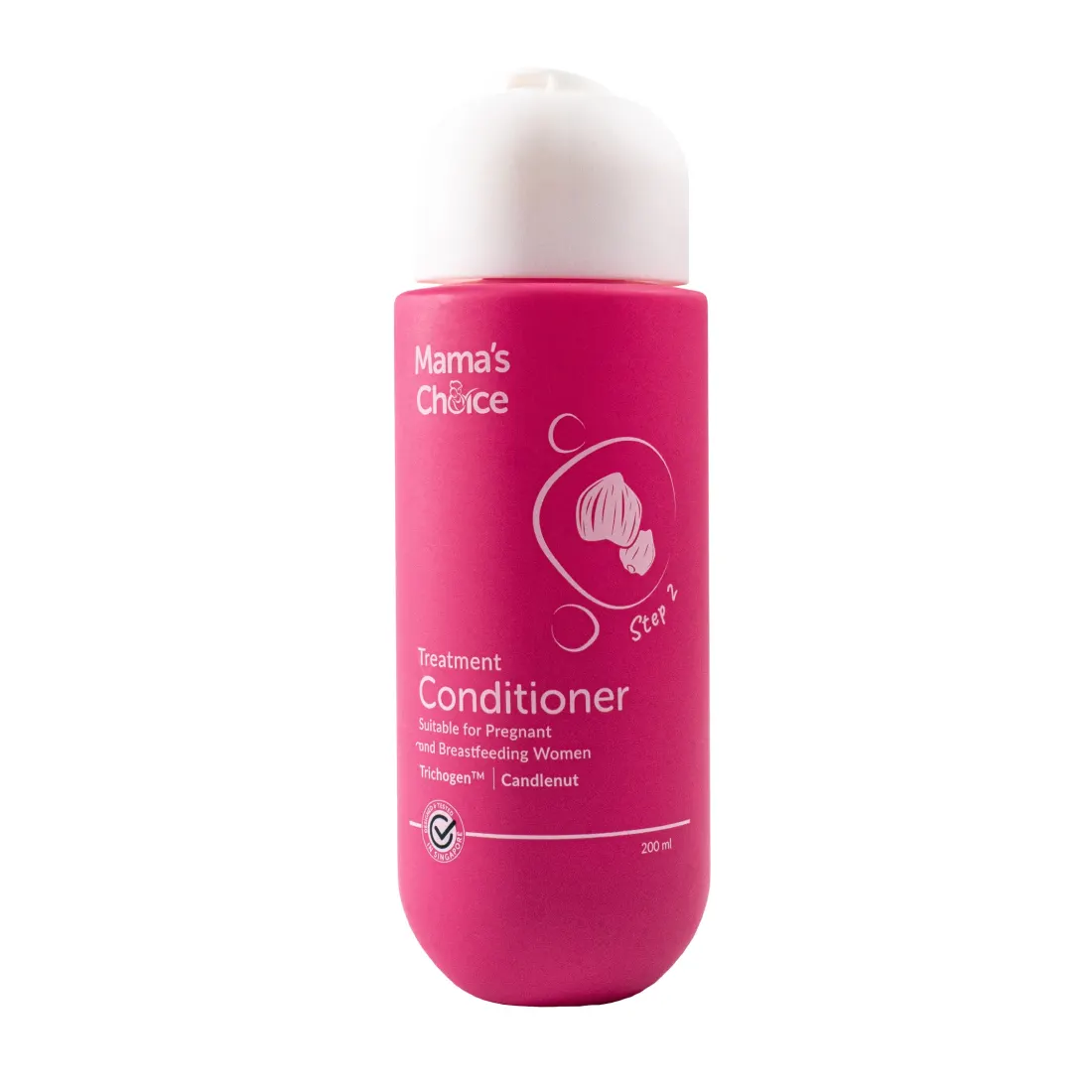
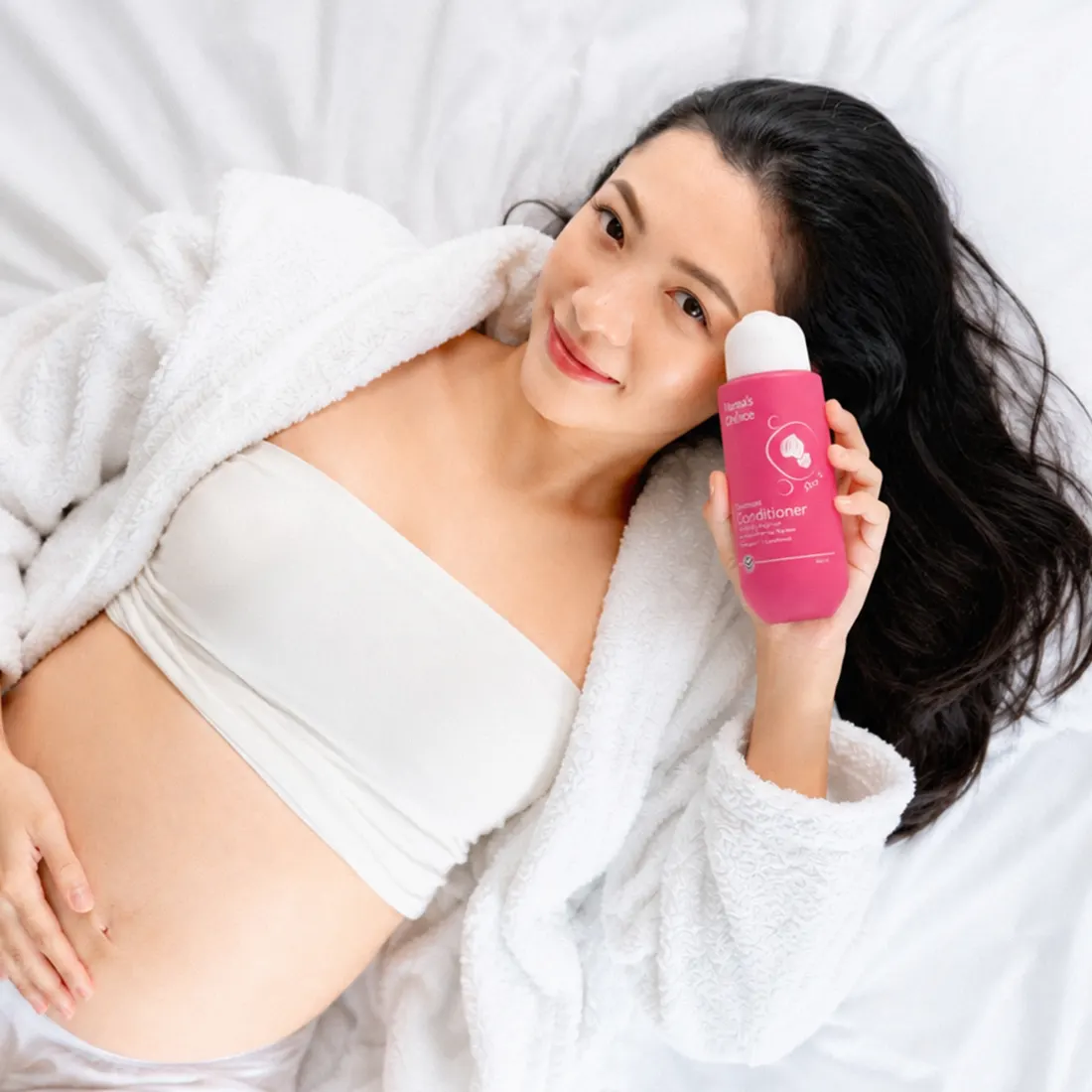
Treatment Shampoo and Treatment Conditioner are made for pregnancy and breastfeeding, with kiwi, candlenut and green pea.
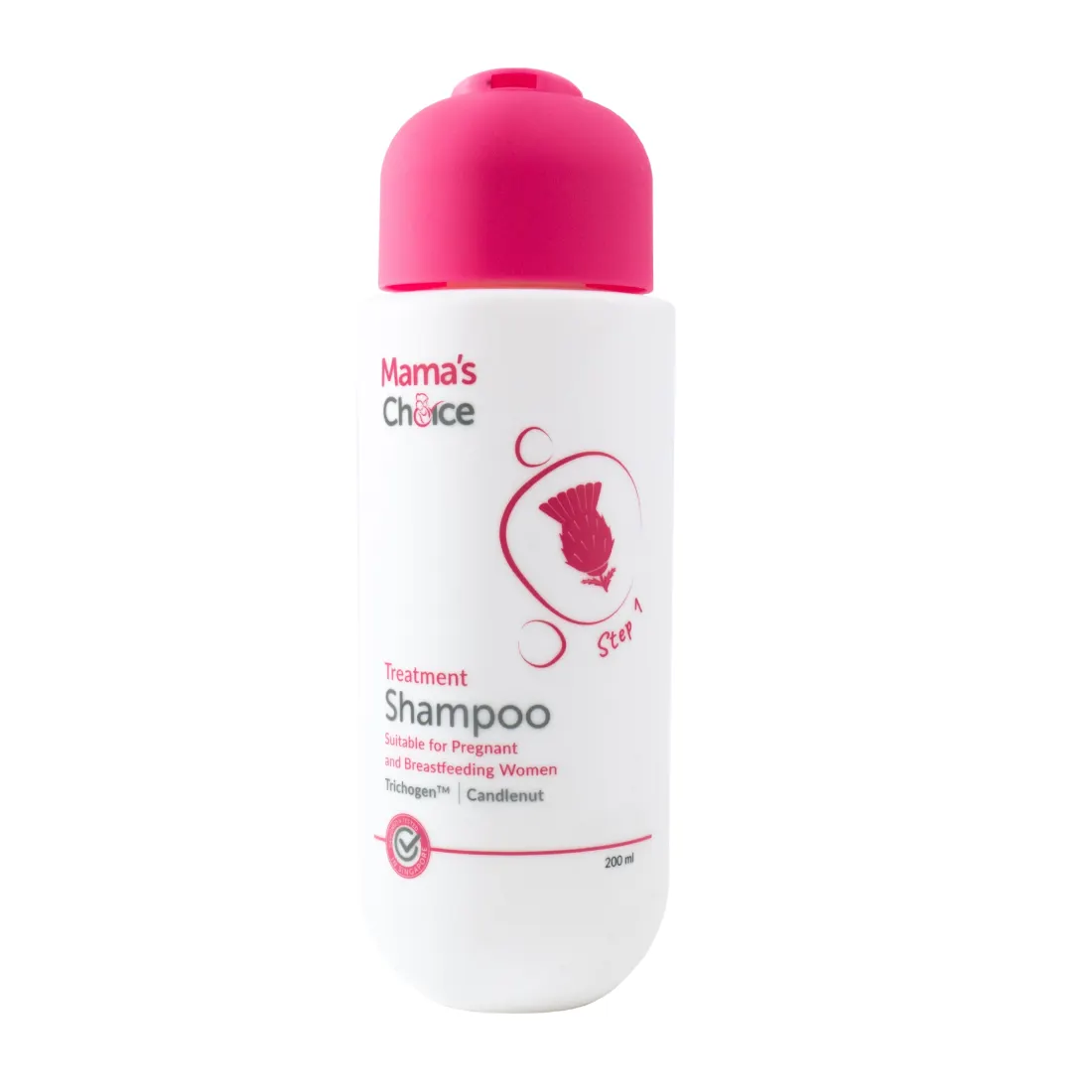
Shampoo on the scalp, conditioner on the lengths. The order does more than the brand.
Use less heat. The dryer you reach for every morning to get dry before covering is doing more damage than the covering ever will. Lower setting, and start earlier.
Fabric and layers
Breathable inner caps. Cotton or bamboo absorb moisture. Tight synthetic caps hold it against your scalp.
Satin or silk linings cut friction on the lengths, which is why they help with breakage even though they do nothing for the scalp.
Fewer layers in hot weather. A hot sweaty scalp under two synthetic layers is where the itching and flaking begin.
If you are already shedding
Two different things, two different answers.
Breakage happens along the shaft, from tension, friction and dryness. Broken hairs are short, and this is what hair care actually addresses.
Shedding from the root is hormonal. After birth it peaks around month four and resolves between six and twelve. No product shortens that.
If it is concentrated along your hairline specifically rather than spread across your scalp, that is traction rather than hormones, and loosening your styles is the treatment.
Scalp care
- Wash often enough that oil and sweat do not build up
- Massage while washing, which lifts residue
- Dry thoroughly, especially at the nape where damp hangs around
- Let the scalp air at home when you can
Itching, flaking or soreness that persists is worth a doctor rather than another shampoo.
When to see a doctor
- Thinning along the hairline specifically
- Round bald patches rather than even thinning
- A scalp that is red, scaly, sore or oozing
- Still shedding heavily twelve months after the birth
- Hair changes with heavy fatigue, palpitations or unexplained weight change
Traction alopecia responds well to changes made early and much less well once the follicles are damaged. That is why the hairline is the part to watch rather than ignore.
Sources
Share this article
This article is for information only and is not a substitute for diagnosis or medical advice. Please discuss your own situation with your midwife or doctor.