Giving Birth During Ramadan: What to Know
How missed fasts are made up after childbirth, what the postnatal period allows, and how to prepare for breastfeeding through the month.
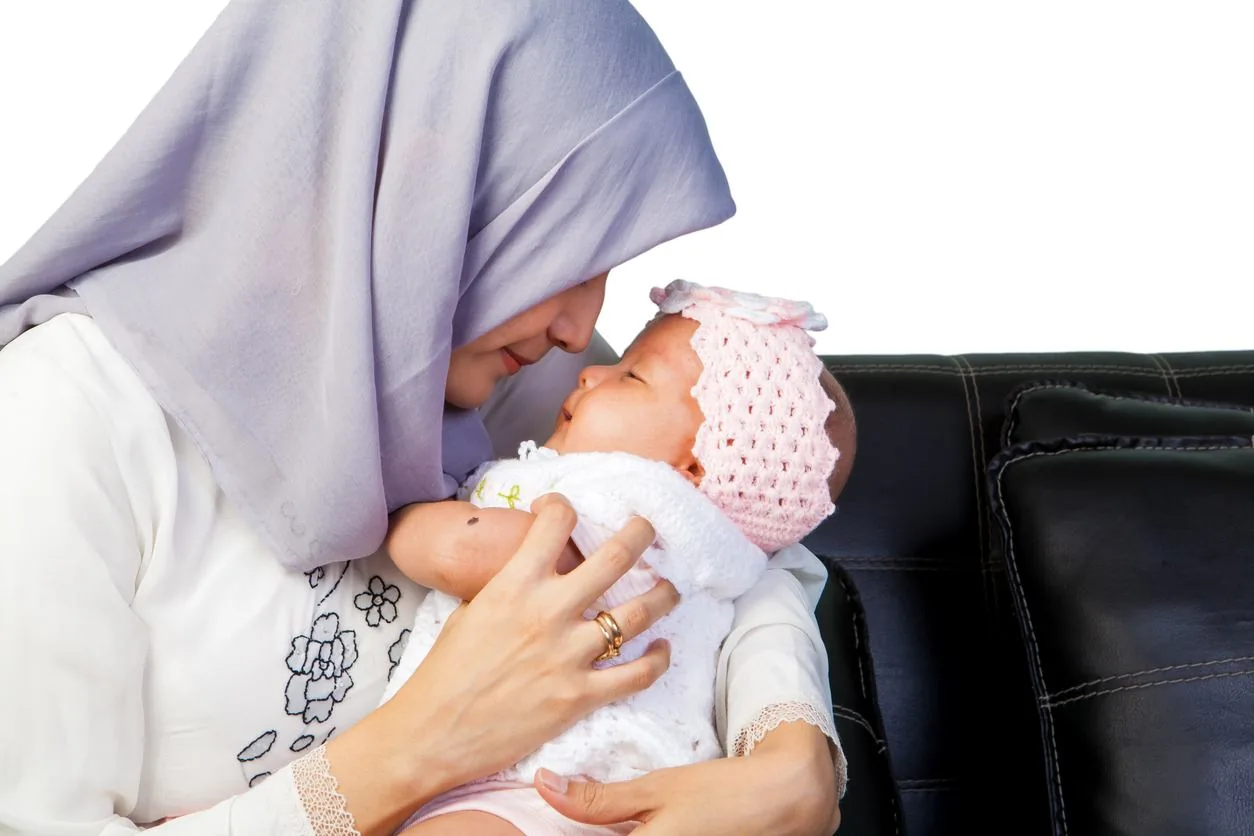
Your baby is due in Ramadan, and somewhere underneath the logistics is a quieter worry about whether you are letting anyone down.
You are not. The practical answers here are more settled than most Mamas expect.
You do not fast during nifas
A Mama in the postnatal bleeding period does not fast. The missed days are made up afterwards.
That is not a reluctant concession. It reflects that a body recovering from childbirth, usually while feeding a newborn, has needs that come first.
Making the days up
Fast on other days, once you are able. They do not have to be consecutive, and spreading them across the year is common.
Pay fidyah where fasting later is not realistic, for instance if you are still breastfeeding and your health or supply would suffer.
Which route applies depends on your circumstances and the guidance you follow. Worth asking someone qualified rather than deciding from an article.
Fasting while breastfeeding
Once nifas has passed, some Mamas want to fast while still feeding. The practical position:
Your supply is more resilient than people expect, especially once feeding is established. Milk composition stays relatively stable and your body draws on its own reserves.
Dehydration is the realistic risk, particularly here, with this heat and these daylight hours.
A newborn is not a nine-month-old. In the early weeks, when supply is still being established and feeds are constant, fasting is far more demanding.
If you do fast: drink generously between iftar and suhoor, prioritise protein and complex carbohydrates, and watch for fewer wet nappies in your baby or dizziness in yourself. Either one means break the fast. That is the correct response, not a failure.
Getting ready for the month
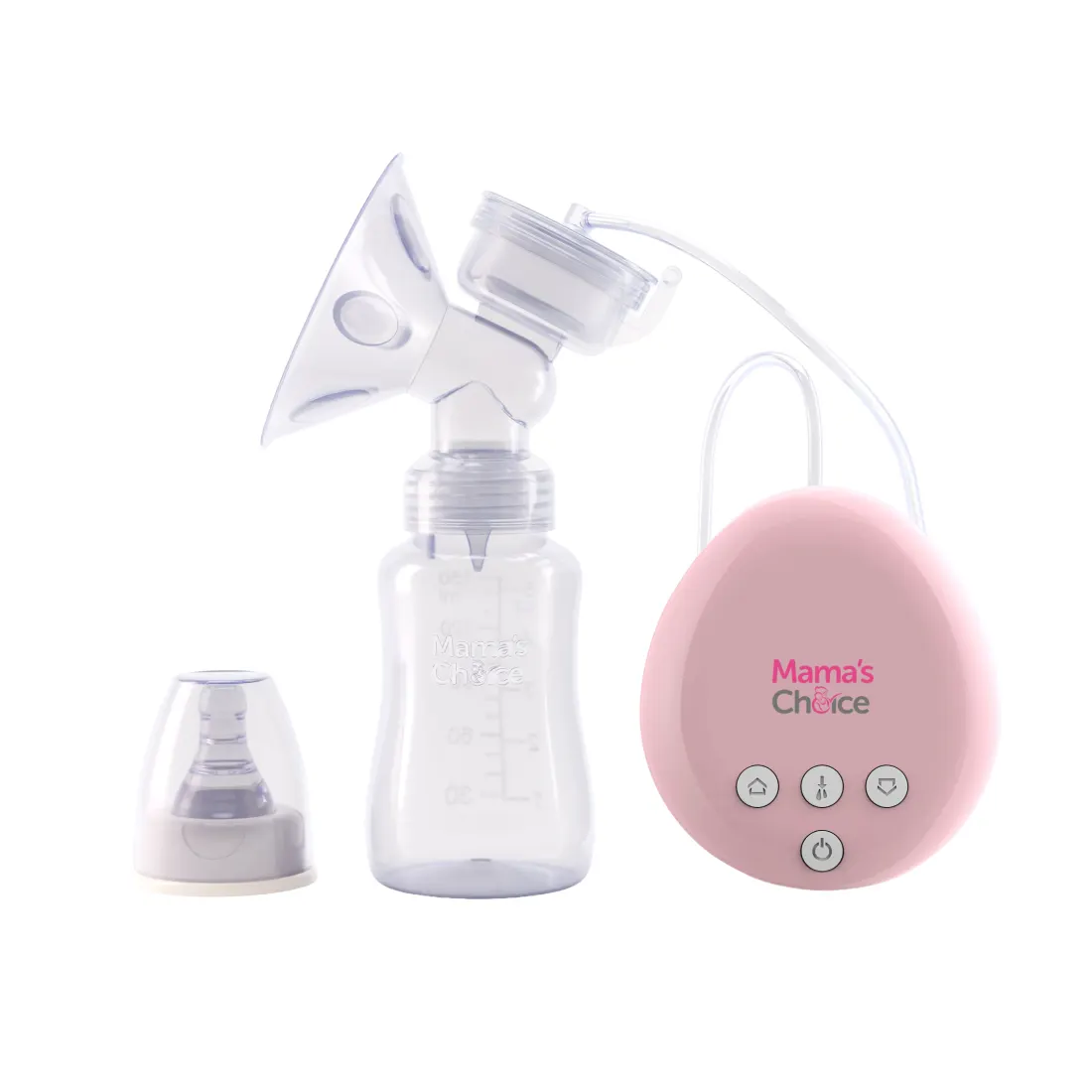
Build a small stash if you plan to fast. Expressing in the days beforehand buys you flexibility.
Mama's Choice Electric Breast Pump makes repeated expressing less tiring, which matters when your own energy is down.
Make the food dense rather than large. Two meals have to cover what four normally would.
Mama's Choice Almond Milk Powder mixes in a minute at suhoor, which is the meal that gets skipped.
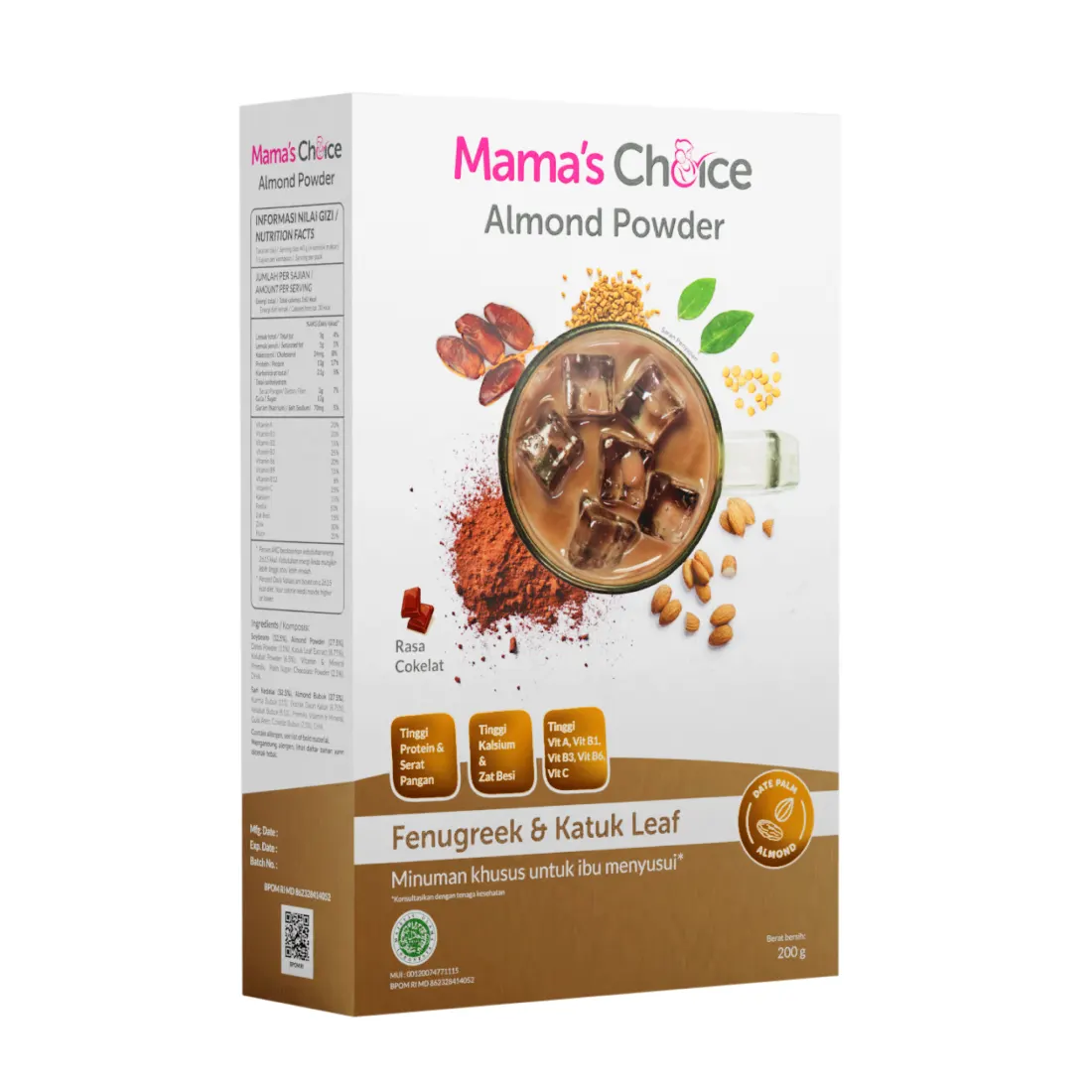
Satisfaction figures on the product page come from internal consumer surveys, not clinical trials. What determines supply is how often and how well the breast is emptied.
Let other people cook. Ramadan brings more cooking, not less, and six weeks after giving birth you should not be the one doing it.
Rest is not a lesser form of observance
The pressure to take part fully, in fasting, in night prayers, in hosting, lands hardest on new Mamas.
A body six weeks past childbirth, feeding every three hours, cannot do all of it. Resting is not falling short, and someone should say that to you out loud.
Recovering while the house is busiest
- Say yes to the food that arrives. This is one of the few months when people bring meals unprompted
- Keep visits short. A newborn does not need a full room, and neither do you
- Sleep when the house goes quiet, which in Ramadan is often mid-afternoon
- Drop what can be dropped. Hosting, cooking, late nights
None of this is unique to Ramadan. It just matters more in a month where the default is to do more.
Feeding through long days
Newborns feed 8 to 12 times in 24 hours regardless of the calendar, and that will not rearrange itself around fasting hours.
- Feed on cue rather than trying to cluster around iftar
- Keep water wherever you feed at night
- Expect the evening to be the heaviest feeding stretch, which lands on the busiest part of the day
If night feeds and night prayers are competing, the feeding comes first. That is not a controversial position among scholars, and it is worth hearing said plainly.
Break the fast and speak to a doctor if
- You are dizzy, fainting, or getting persistent headaches
- Your supply drops noticeably
- Your baby has fewer wet nappies
- You are too weak to look after her properly
- Bleeding increases rather than settling
The postnatal period has its own medical markers. Heavy bleeding, fever or severe pain need assessment whatever the month.
Sources
Share this article
This article is for information only and is not a substitute for diagnosis or medical advice. Please discuss your own situation with your midwife or doctor.