Dull Skin During Pregnancy and How to Address It
Why skin looks dull in pregnancy, what melasma has to do with it, and a routine that helps without reaching for the actives that are off the table.
Everyone told you about the glow. Nobody mentioned that you might spend nine months looking exhausted in every photograph.
Dull, flat-looking skin in pregnancy is at least as common as the glow. It gets discussed far less.
Why it looks like that
Hormones. Rising hormones change your oil production and how fast skin cells turn over. For some Mamas that reads as a glow. For others it is skin that looks flat and uneven.
Melasma. Uneven darker patches on the forehead, cheeks and upper lip. Patchy pigment reads as dullness even when your skin is otherwise in good condition. It is hormonal, worsens with sun, and usually fades over the months after birth.
You have stopped doing anything about it. Rarely listed and it matters as much as the rest. Nausea, exhaustion and a diary full of appointments mean skincare gets skipped, and skin that is not cleansed or moisturised consistently looks duller.
Your toolkit is smaller now
The actives you would normally reach for when skin looks flat, retinoids, high-dose acids, hydroquinone, are exactly the ones set aside in pregnancy.
Which leaves a narrower set of options, and a routine that has to win on consistency rather than strength.
What actually helps
Sunscreen every morning. If the dullness is uneven pigment, this is the single most useful thing you can do. Melasma darkens with UV and settles when exposure drops.
Cleanse twice a day, gently. Over-cleansing strips skin and leaves it looking worse than when you started.
Moisturise while your skin is still damp, which is when it holds water best.
Vitamin C, standing in for the actives that are off the table. It works on tone and brightness, and it is considered safe.
Sleep and fluids. Easier to recommend than to arrange, and still true.
A routine that fits into a bad week
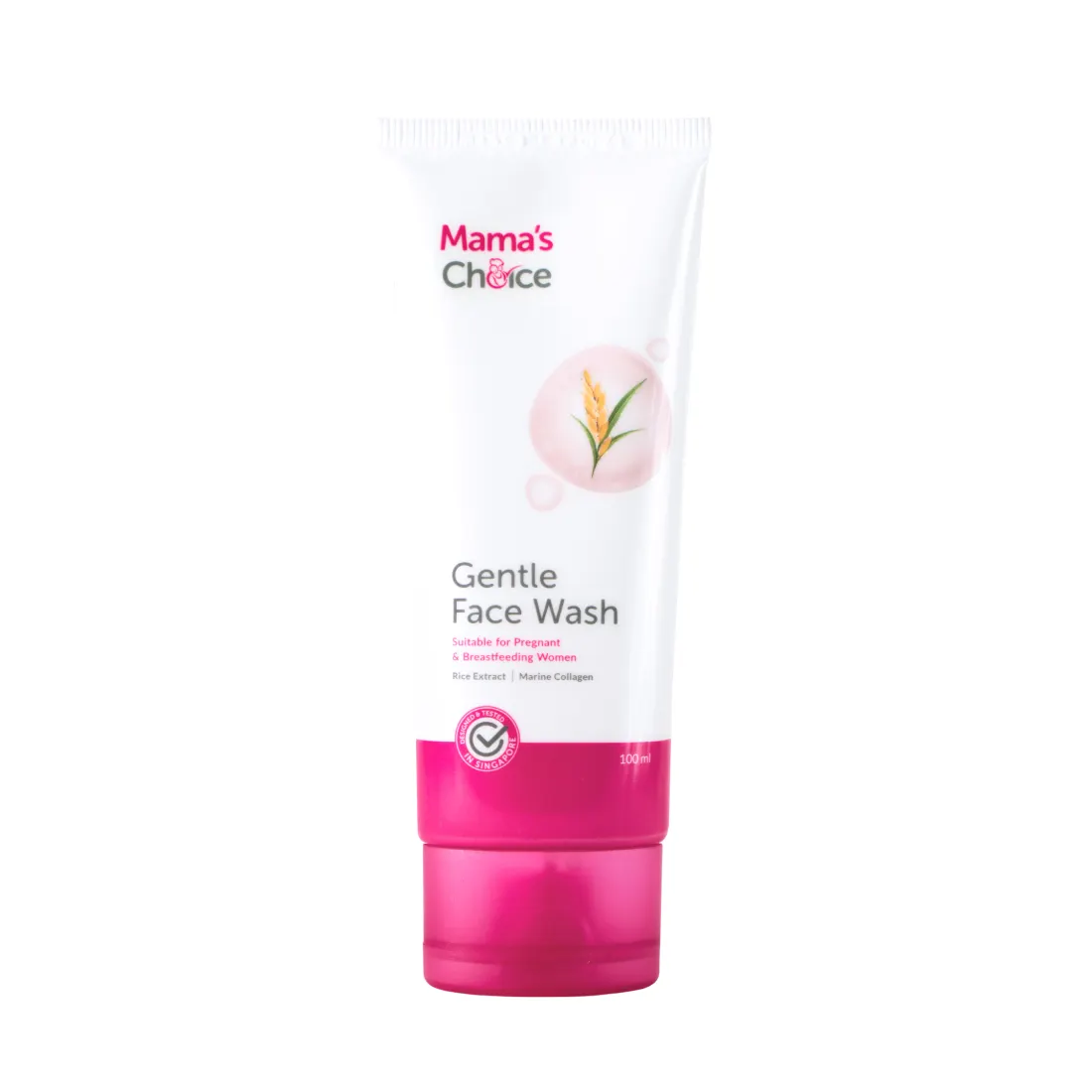
Gentle Face Wash uses rice extract and hydrolysed collagen on a mild base.
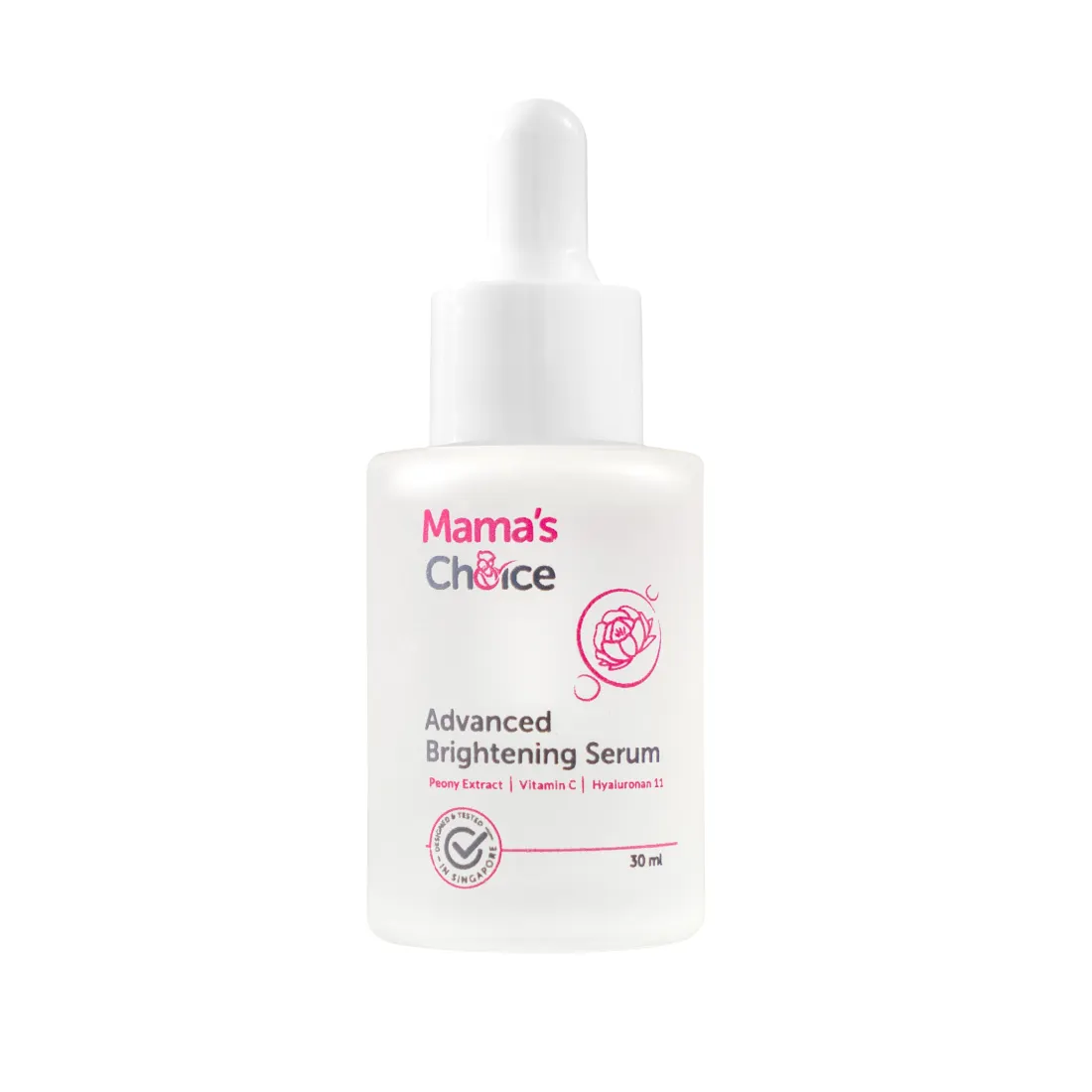
Advanced Brightening Serum is made for pregnancy and breastfeeding, with peony extract, vitamin C, a hyaluronan multi-complex, ceramide NP and niacinamide.
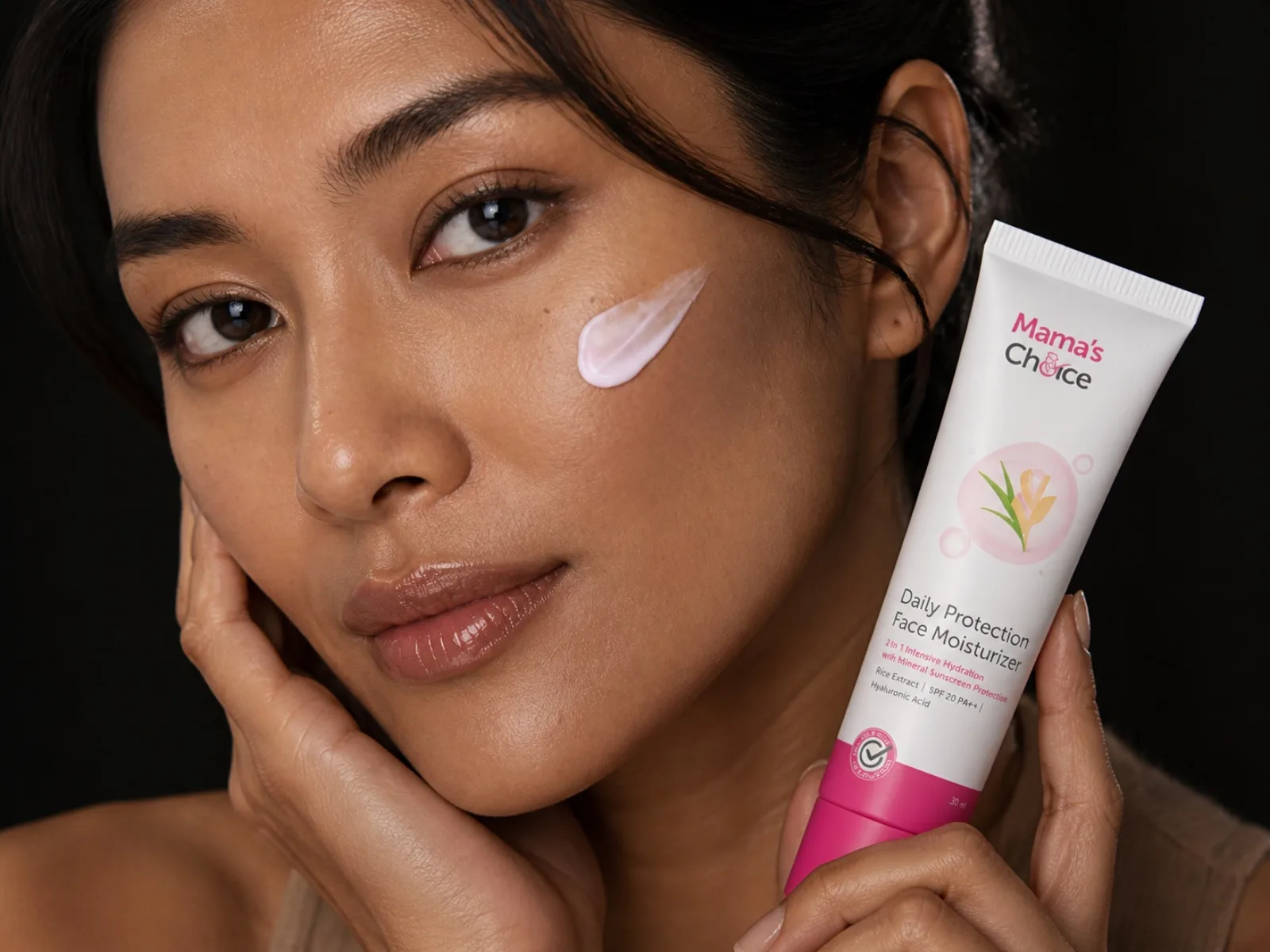
Daily Protection Face Moisturizer SPF 20 PA++ does moisturiser and sun protection together, which is one fewer thing to remember on a morning when you have already forgotten two.
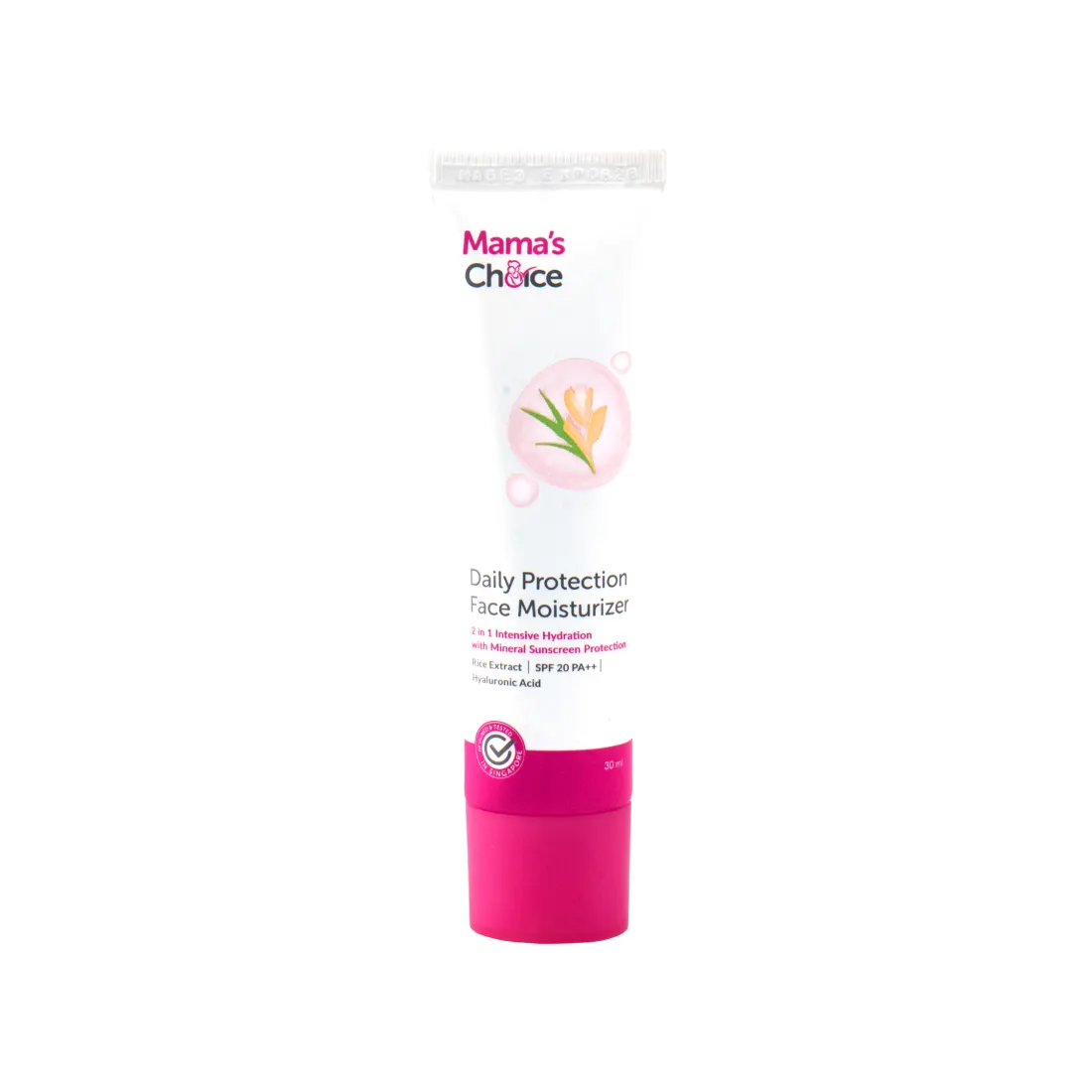
SPF 20 suits everyday indoor life. Going out for hours, go higher.
How to read the percentages on any product page
Figures published about skincare usually come from consumer satisfaction surveys: how many respondents felt something.
Not a clinical measurement. "72% felt their skin looked brighter" is a different sentence from "skin was 72% brighter", and a comfort rating is not evidence of a medical benefit.
We publish ours as a picture of user experience, with the sample size attached, rather than as proof of anything.
Habits making it worse
Hot water. Strips your own oils and leaves skin tight and flat.
Scrubbing. Feels productive, irritates skin that is already reactive.
Adding products when something is not working. More steps on irritated skin usually makes it worse, and makes it impossible to tell what caused what.
Skipping sunscreen on cloudy days. Most UV comes straight through, and here the intensity stays high all year.
Sleeping in makeup. On the nights this happens because you fell asleep feeding, a micellar wipe by the bed is a fair compromise. This is not the hill.
Some of this is not skin at all
Anaemia is common in pregnancy and shows as pallor and fatigue rather than dryness. One blood test, treated with iron.
Thyroid changes affect skin texture and energy.
Dehydration and broken sleep both show on a face fast, and neither responds to a serum.
If dull skin comes with heavy tiredness, breathlessness, palpitations or dizziness, mention it at your next antenatal appointment rather than treating it from the bathroom cabinet.
Makeup
Fine, and most formulations are fine.
Check for the same things as skincare: no retinoids, fragrance-free if your skin has turned reactive. Long-wear formulas tend to be more drying, which is worth knowing when your skin is already flat.
Taking it off properly at night does more for how your face looks than anything you apply in the morning.
What to expect
Most of this settles after the birth. Melasma fades over months. Oiliness or dryness usually goes back to whatever was normal for you.
A routine will not override your hormones. It keeps your skin comfortable and protected while they do what they are doing, which is a fair thing to ask of it.
When to see a dermatologist
- Acne bad enough that you would want a prescription
- A rash that spreads, or itches intensely
- Severe itching with no rash, especially on palms and soles. That needs same-day assessment
- Dark patches still there several months after the birth
- A mole changing size, shape or outline
Sources
Share this article
This article is for information only and is not a substitute for diagnosis or medical advice. Please discuss your own situation with your midwife or doctor.