Dark Patches on the Face During Pregnancy
Melasma affects 50 to 75% of pregnant women. Why it happens, what makes it worse, what genuinely helps, and why most of it fades after birth.
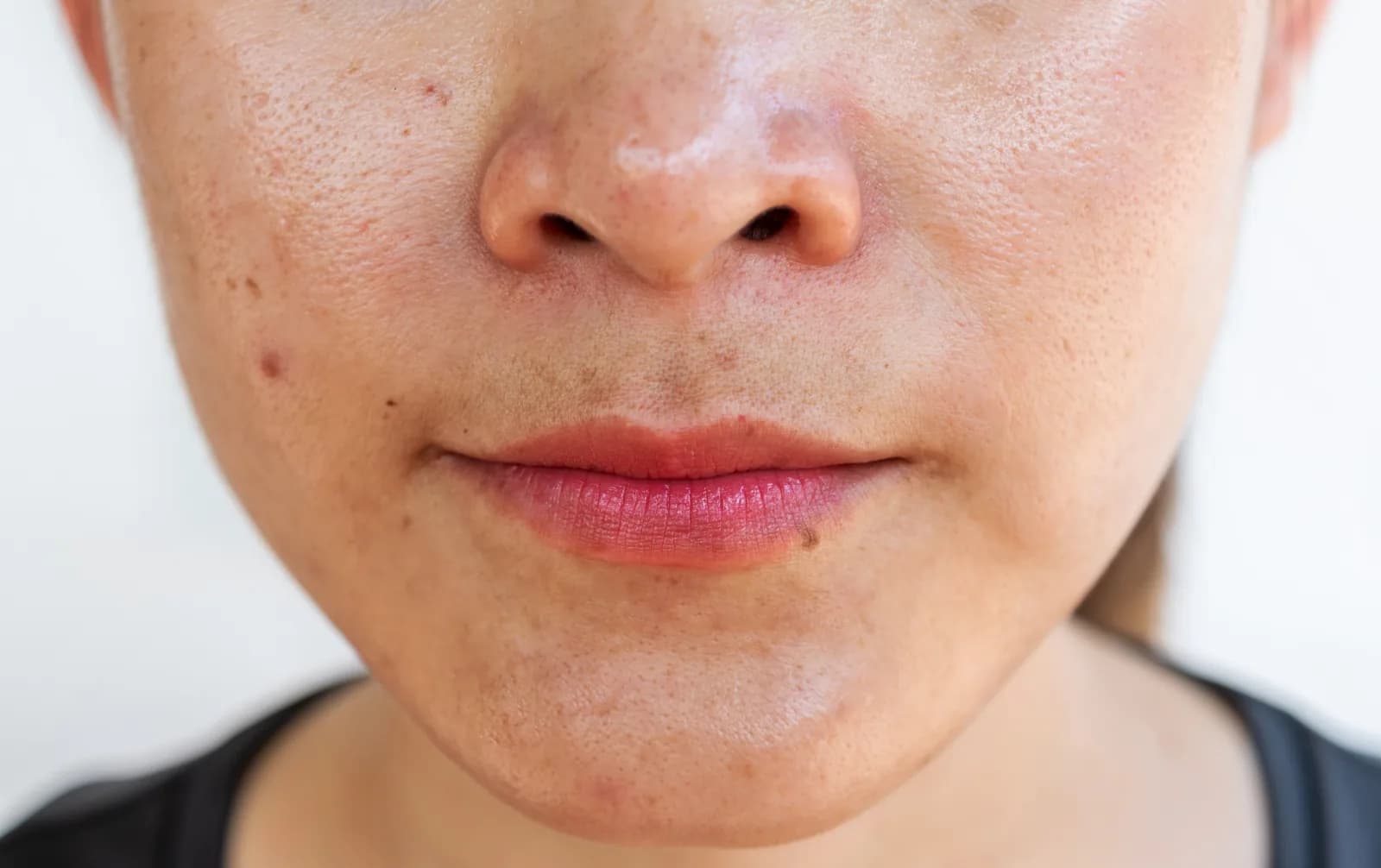
You catch your reflection in daylight and there are patches across your cheeks and forehead that were not there before.
Between 50 and 75% of pregnant women get them. The medical name is melasma, and everybody else calls it the mask of pregnancy.
It does not hurt, itch or sting. It is a pigment change, and for most of us it is temporary.
Why it happens
Hormones. Rising oestrogen and progesterone push your pigment-producing cells to work harder. The same mechanism is why some women get melasma from the combined pill without ever being pregnant.
Sunlight. UV is what turns a hormonal tendency into visible patches. This is the part you can act on, and it is why melasma deepens over a beach week and lifts over a rainy month.
Irritation. Strong fragrance or harsh actives inflame skin, and inflamed skin in someone prone to melasma darkens further.
Where it turns up
Forehead, cheeks, chin, upper lip. Usually symmetrical, in soft-edged patches rather than distinct spots.
A mark that is raised, changing shape, bleeding or itchy is not melasma, and it needs a doctor rather than a cream.
What actually helps
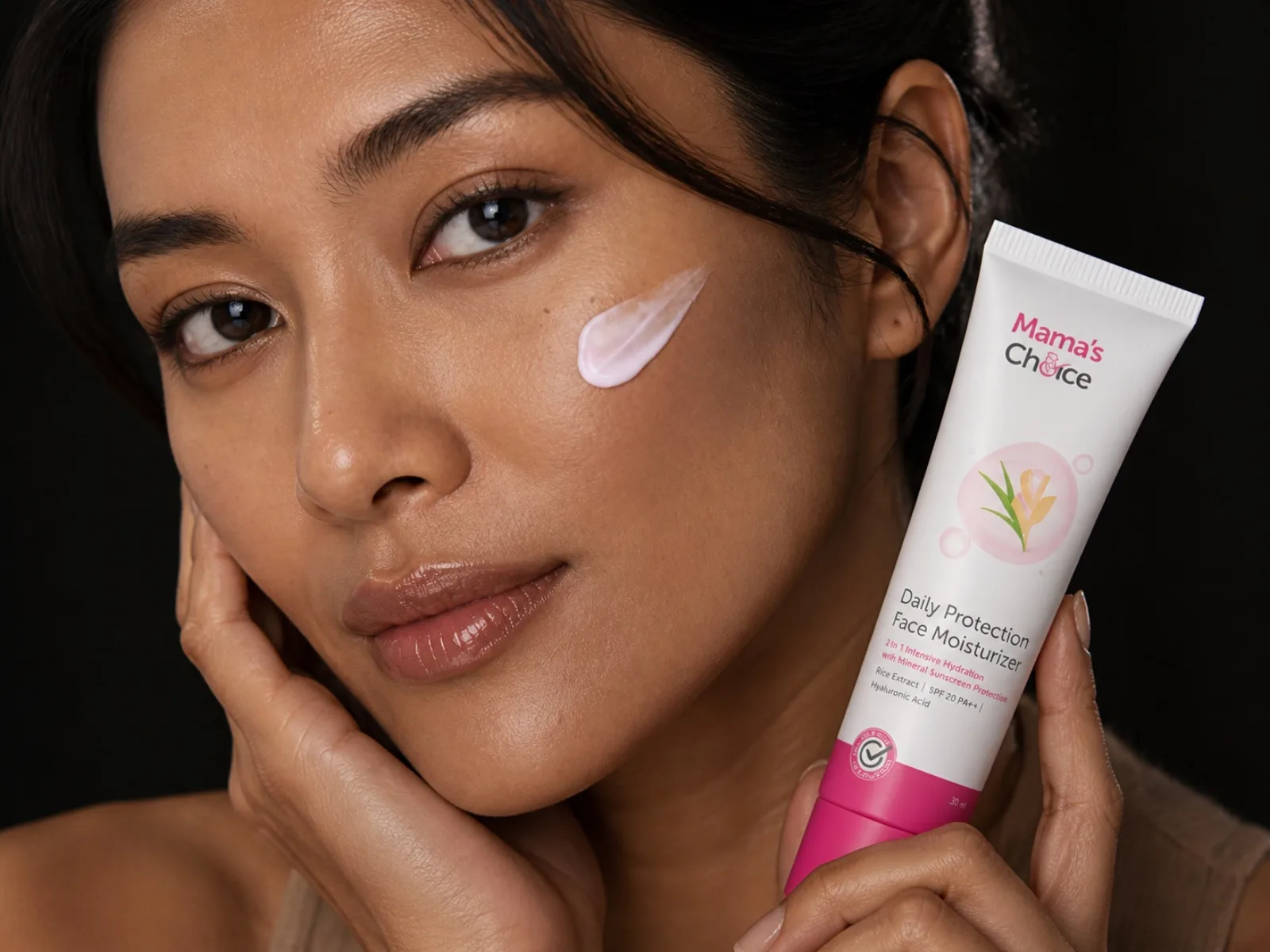
Sun protection, every single morning
The one that matters most, and the one that makes the rest work.
SPF 30 or above on your whole face, every morning. Reapply every two hours if you are out. A wide-brimmed hat outperforms most creams. Stay out of direct sun between 10am and 2pm where you can.
Melasma responds to light on overcast days and through windows, which is why "I was not really outside" does not protect you.
Cleansing gently
Scrubbing does not lift pigment. It irritates, and irritation deepens melasma.
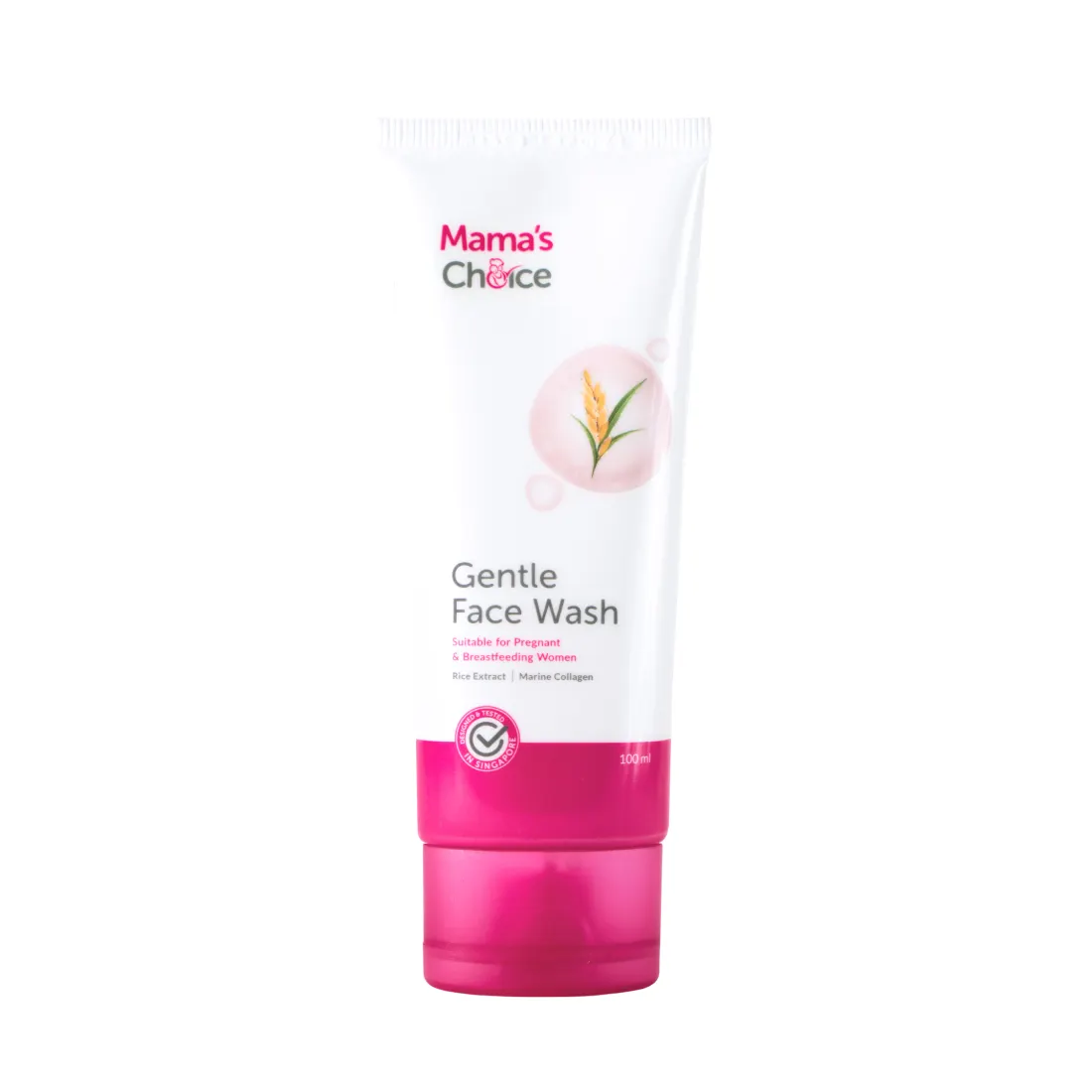
Mild cleanser, lukewarm water, no grains. Mama's Choice Gentle Face Wash is built for it, fragrance-light and made for sensitive skin.
Brightening ingredients you can actually use
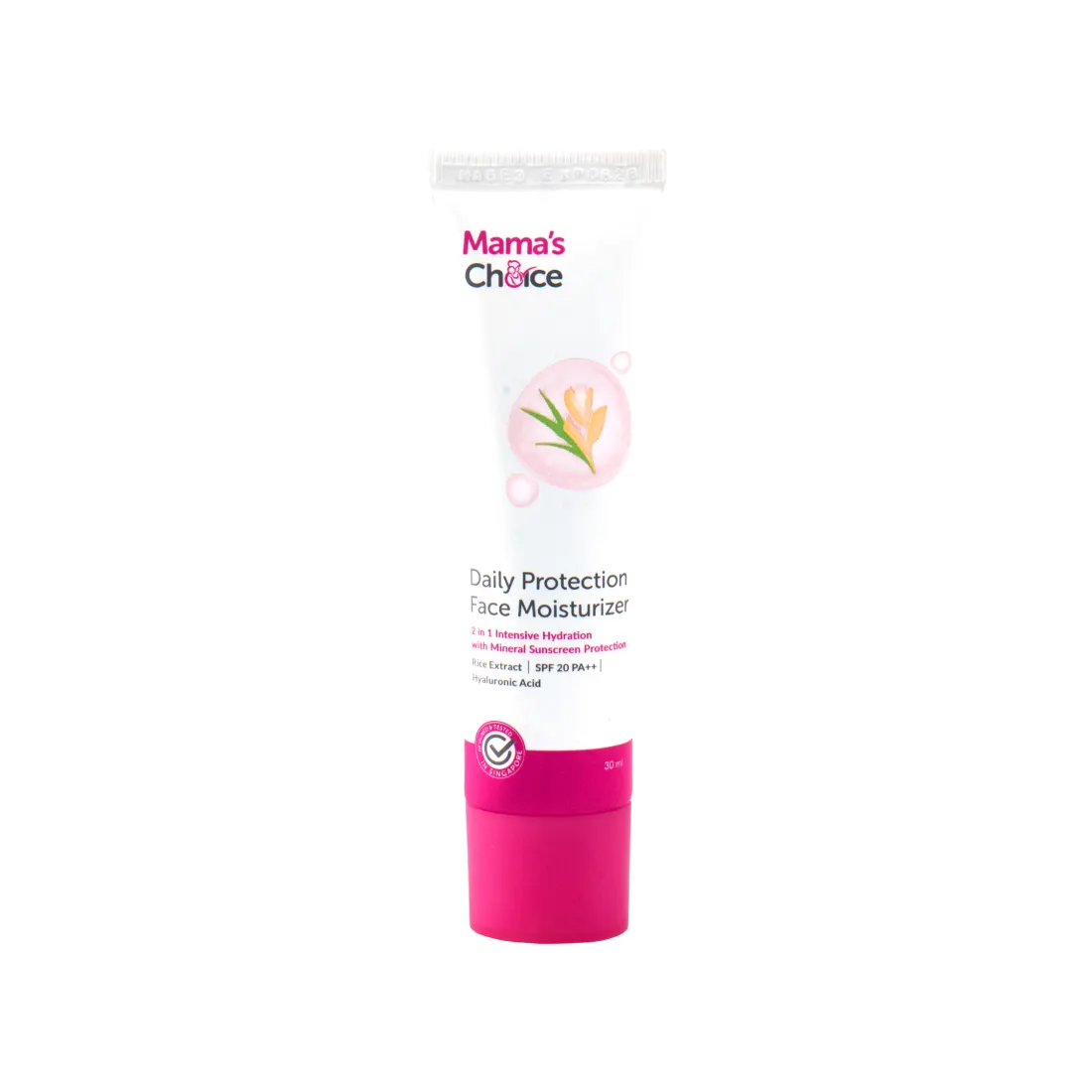
Vitamin C and niacinamide both have reasonable evidence for pigment and are both considered safe in pregnancy. Mama's Choice Advanced Brightening Serum pairs vitamin C with peony extract.
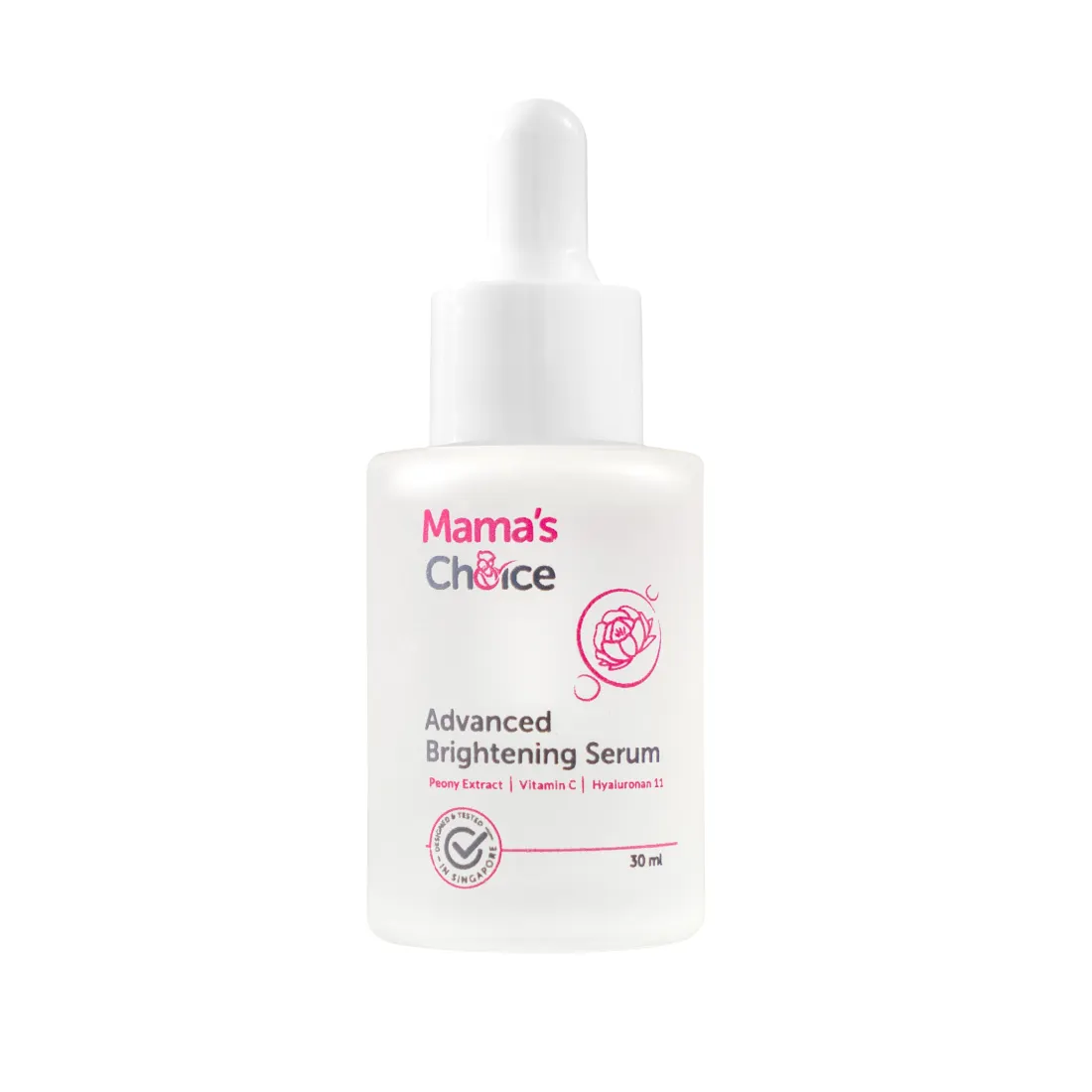
The claim that 93% of Mamas agreed their skin looked brighter within 3 days comes from an internal customer satisfaction survey. It records impressions, not measured pigment change.
Sleeping and eating
Neither clears melasma. Both help your skin repair itself, and tired skin looks duller whatever the pigment is doing. Eat well, drink water, sleep when the pregnancy allows it.
What to avoid while pregnant
Hydroquinone, the standard prescription treatment outside pregnancy, is generally avoided during it because a relatively high proportion is absorbed through skin.
Retinoids, tretinoin and retinol included.
Unregistered whitening creams sold online. This is a genuine hazard rather than a precaution. Products bought outside the regulated system still turn up containing mercury, which crosses the placenta. Check for a BPOM number.
What will not help
Lemon juice. On skin that then meets sunlight it causes a burn-like reaction, leaving marks darker than the ones you started with.
Aggressive scrubs and peels. Melasma sits deeper than a scrub reaches, and the inflammation sets you back.
Stopping and starting. Pigment responds to months of consistency, not a fortnight of effort followed by a break. Most people who decide nothing works gave a routine three weeks.
Anything that stings. Burning means irritation, and irritation is one of the drivers.
How long before you see anything
Slowly. Skin cells take weeks to turn over, and melasma sits partly in the deeper layer where turnover is slower still.
Give any routine 8 to 12 weeks before you write it off. Take a photograph on day one in the same light, because a bathroom mirror day to day tells you nothing and most people underestimate slow change.
During pregnancy, expect to hold ground rather than clear it. The hormonal driver is still running, which is why the real improvement usually comes after the birth.
Will it go
Mostly. Melasma that starts in pregnancy usually fades over the months afterwards, once hormones settle.
Some of it lingers, particularly if you spent the pregnancy in strong sun. The treatments closed off during pregnancy, prescription creams and in-clinic procedures, open up again afterwards.
If patches are still there a year on, a dermatologist has options worth hearing.
When to see a doctor
- A patch that is raised, growing, changing colour or bleeding
- Darkening that appears suddenly with other symptoms
- Melasma that is genuinely distressing you, because there are treatments after birth
- Any product that leaves skin burning, peeling or unusually pale
Sources
Share this article
This article is for information only and is not a substitute for diagnosis or medical advice. Please discuss your own situation with your midwife or doctor.