Five Steps to Comfortable Breastfeeding
A good latch, the right kit, help when you need it, and permission to rest. What makes breastfeeding sustainable rather than something to endure.

People call breastfeeding natural, which quietly implies it should come easily. In the first weeks it is a skill being learned by two people at once, and one of them is three days old.
Five things make the difference between something you can keep doing and something you endure.
1. Get the latch right first
Everything else follows from this one.
A baby who takes only the nipple, rather than a good mouthful of areola, works hard and gets very little. You get pain, she gets cross, and your body reads the whole thing as low demand and makes less.
Signs it needs adjusting:
- Pain all through the feed rather than a few seconds at the start
- Your nipple coming out flattened or wedge-shaped
- Clicking sounds while she feeds
- Very long feeds, and she never seems satisfied
One session with a lactation consultant often solves what has felt like low supply for a fortnight. It is the most valuable hour available to you in the early weeks and the most skipped.
2. Set the chair up before you sit in it
Short list, and it matters at 3am.
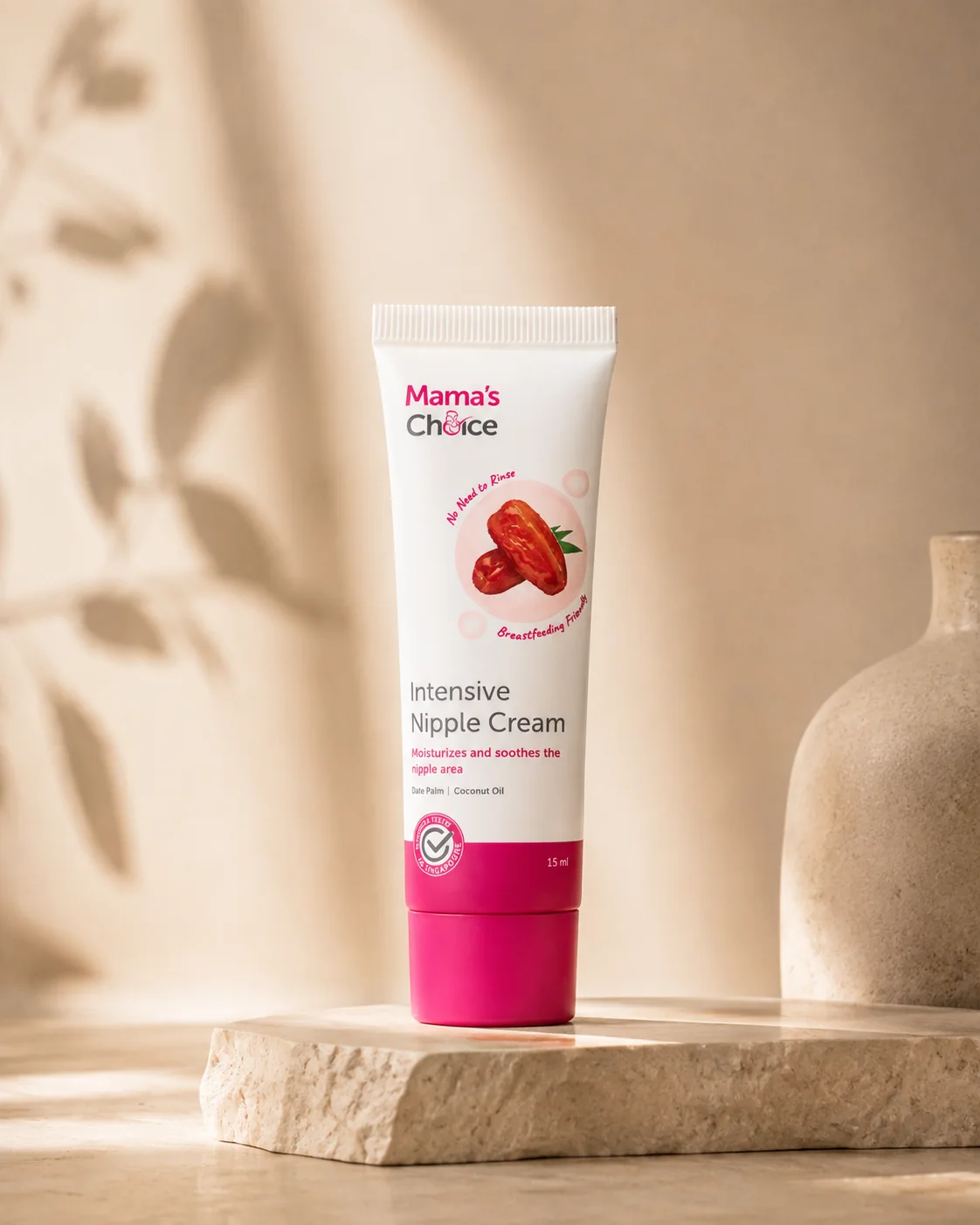
Nipple cream for skin that is cracked or sore. Mama's Choice Intensive Nipple Cream is food grade, so you do not have to wash it off first.

Water within arm's reach, because the thirst arrives the second she latches.
Something you can eat one-handed.
A bra that opens one-handed. The other hand has a baby in it.
A cushion or two, to bring her up to you rather than you bending down to her. Bending is what wrecks a back over six months.
3. Ask for help, both kinds
Practical. Someone else can do the washing, cook, or hold her while you sleep. Almost nobody offers something specific, so asking for something specific works better than waiting to be offered.
Professional. A lactation consultant, midwife or doctor for anything to do with pain, weight gain or supply. The instinct to wait and see is completely understandable and it usually makes things harder.
4. Make the sitting bearable
Feeds take a long time in the early weeks. A Mama stuck in a chair with nothing to do has a much worse time than one with a book, a series, or someone on the phone.
That is not a throwaway suggestion. Feeding is a large part of your day for months, and the Mamas who find it sustainable are usually the ones who stopped fighting the sitting still.
5. Let it be your recovery too
The oxytocin released while you feed calms you as well as her. For a lot of Mamas, feeds become the quietest part of the day.
Worth protecting, rather than filling with jobs.
What food has to do with it
Breastfeeding raises what your body needs, usually put at an extra 330 to 500 kcal a day. That is a real amount of food at a point when nobody has time to cook.
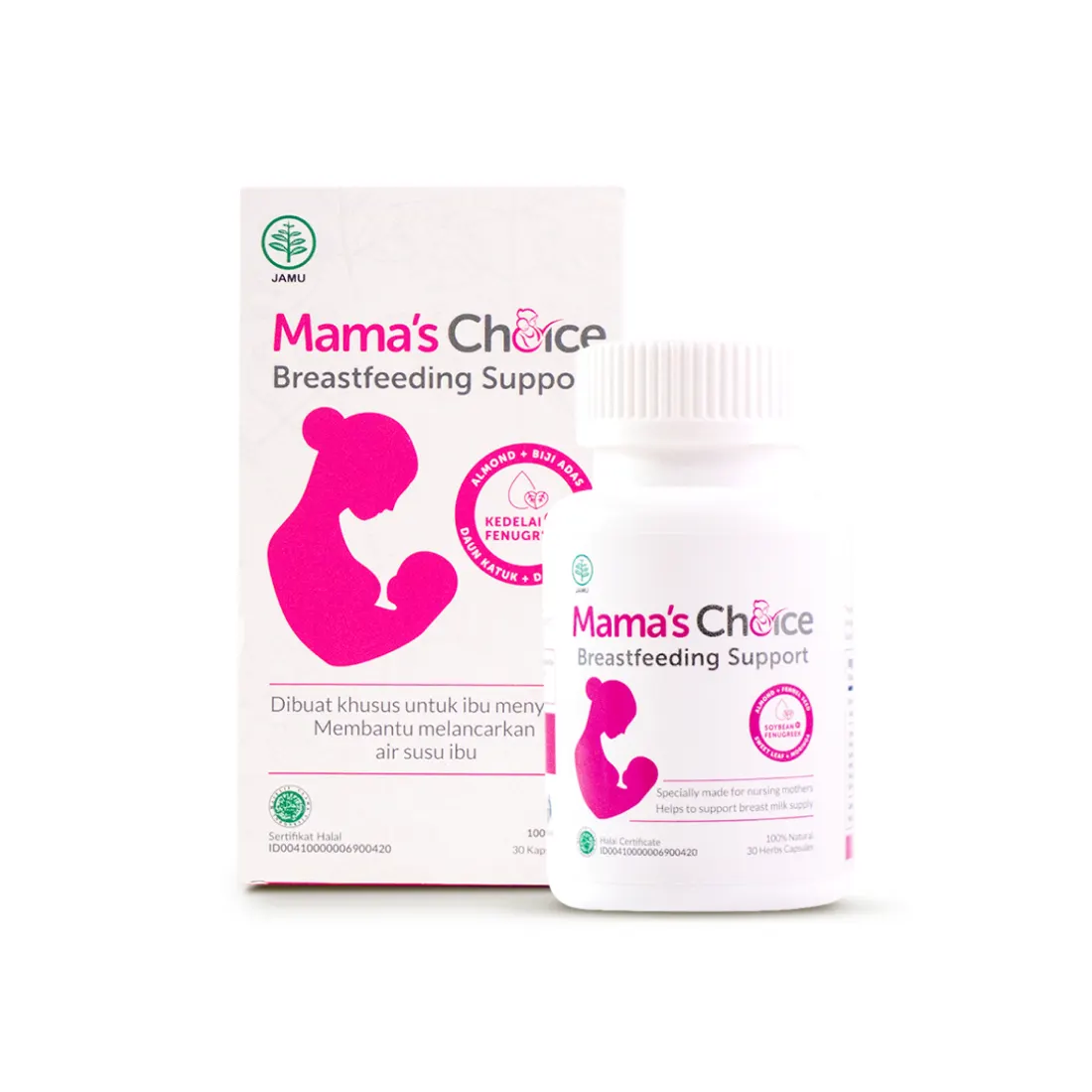
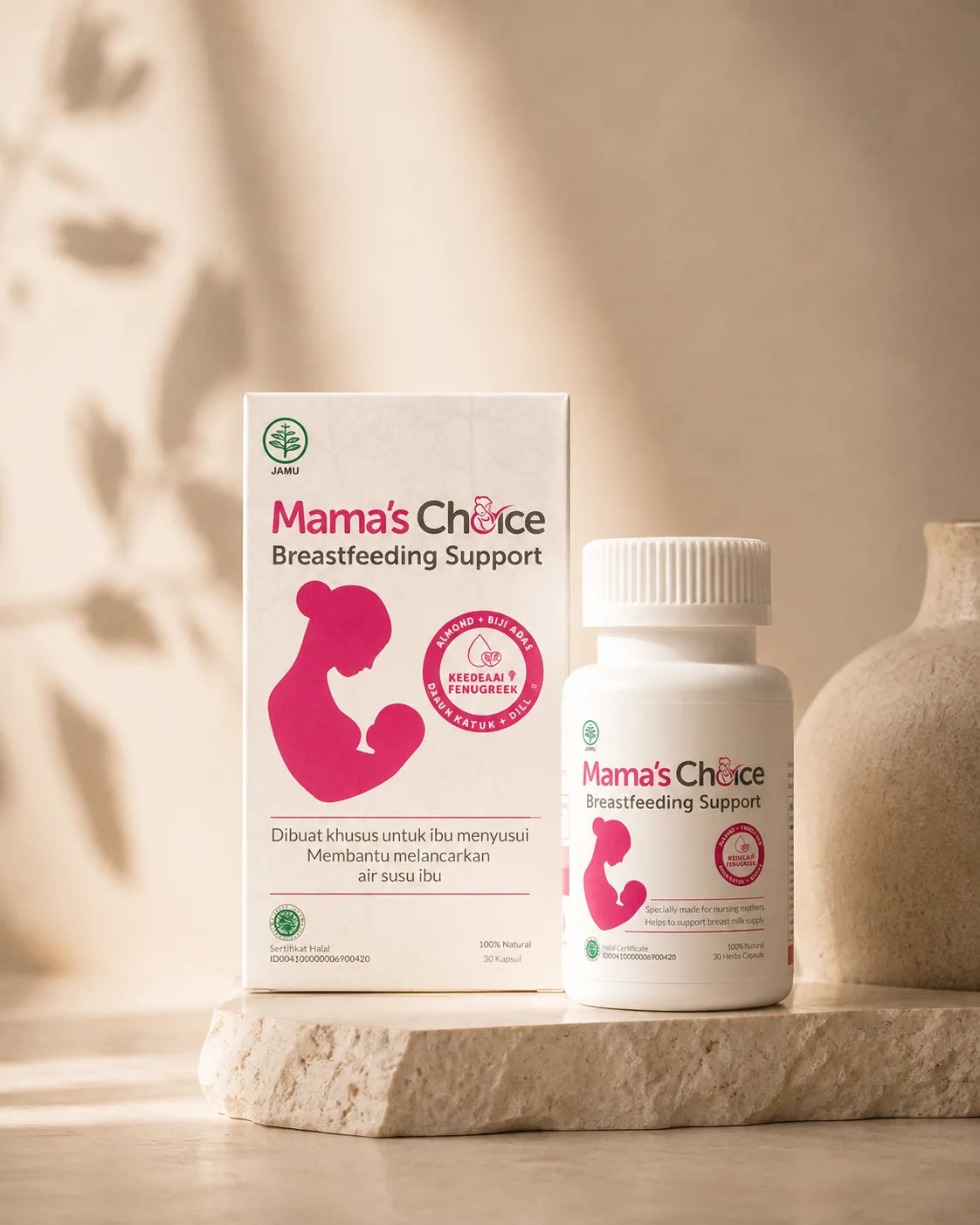
Mama's Choice Almond Milk Powder and Breastfeeding Support are built on almond, fenugreek, katuk leaves and dates, and mix in a minute.
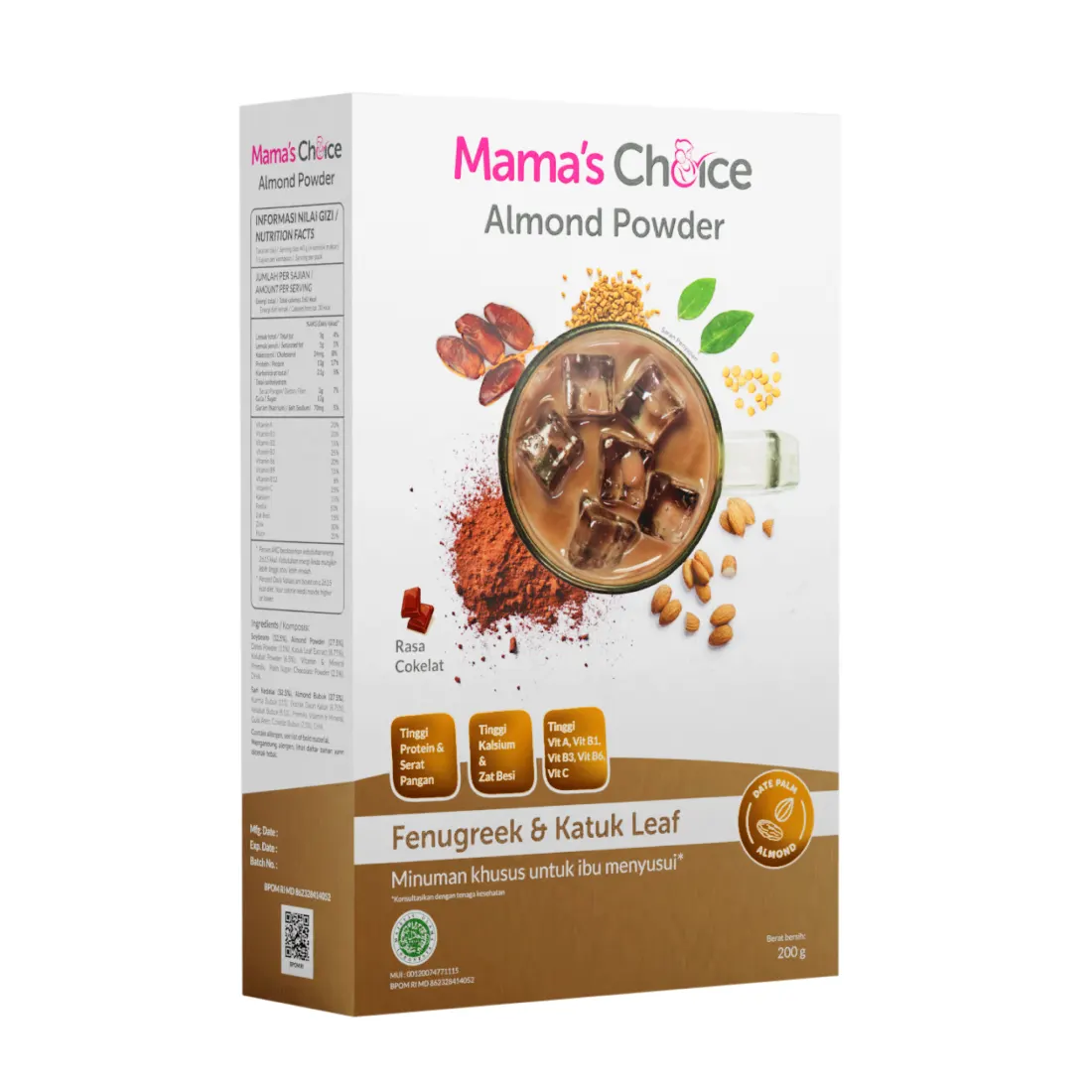
Clearly, on what they do: they support your nutrition. Your supply is governed by how often and how well the breast is emptied. Satisfaction figures on the product pages record what Mamas felt, not measured volume.
Get help quickly if
- She is not gaining weight along her curve
- Fewer than six wet nappies a day after the first week
- Pain right through every feed
- Nipples cracked to the point of bleeding
- A breast that is red, hot and painful, with a fever
- Low mood or anxiety that has lasted more than a fortnight
That last one is as much a breastfeeding problem as any of the others, and it is the one raised least.
Sources
Share this article
This article is for information only and is not a substitute for diagnosis or medical advice. Please discuss your own situation with your midwife or doctor.