Choosing an Acne Serum That Is Safe in Pregnancy
Pregnancy acne is common in the first two trimesters. Which serum ingredients to avoid, which are considered safe, and what to expect from any of them.
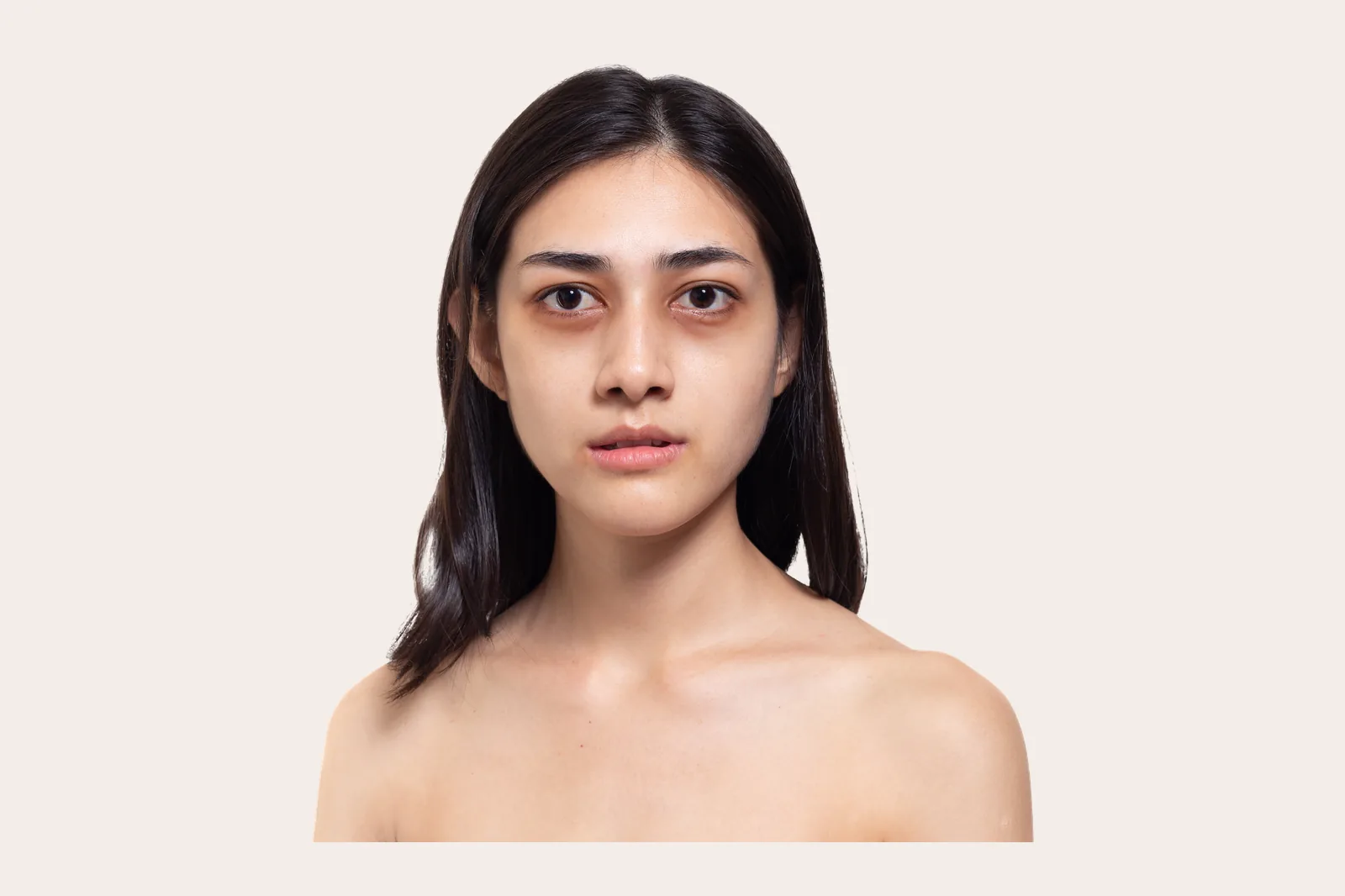
Your skin was fine for a decade and now it is not, and the serum that used to fix this is suddenly on a list you cannot use.
Pregnancy acne turns up in the first and second trimesters, when androgen levels rise. In one French study, 42.3% of pregnant women reported skin problems including acne and wanted to see a dermatologist about them.
It usually settles by itself. Whether you want to wait that out is your call, and either answer is reasonable.
What is off the list
Retinoids. Retinol, tretinoin, adapalene, retinaldehyde, all of them. The most effective topical acne treatments there are, and the clearest thing to avoid in pregnancy. Oral isotretinoin is absolutely out.
Hydroquinone. For pigmentation rather than acne, but it lives in the same routines. A relatively high proportion is absorbed through skin, which is why it is avoided while pregnant.
Phthalates, hiding inside the word "fragrance" rather than appearing on the label. Buying fragrance-free avoids them, and it also stops you irritating skin that is already reactive.
High-strength salicylic acid. Low concentrations in a wash are generally considered fine. Peels and high-percentage leave-on products are not, and oral salicylates are avoided.
What you can use
Niacinamide is the most useful of the lot. Reasonable evidence for oil, redness and pigmentation, well tolerated, considered safe.
Azelaic acid is worth asking your doctor about. One of the very few acne actives with real evidence behind it that is also considered safe in pregnancy.
Alpha bisabolol is chamomile-derived and mainly calming. It will not clear acne on its own. Inflamed skin is a large part of what acne looks like, and this is aimed at that part.
Hyaluronic acid hydrates and does nothing to acne directly. Which matters, because dehydrated skin under a harsh routine makes more oil, not less.
Vitamin C works on tone and on the marks spots leave behind. Safe, and it pairs sensibly with daily sun protection.
What a serum can honestly do
A serum is a delivery vehicle for one or two actives. It is not a treatment plan.
Pregnancy acne is hormonally driven, and nothing you put on your face overrides your hormones. Expect fewer inflamed spots and calmer skin, over weeks rather than days.
If it is severe, cystic, or leaving scars, that is a dermatologist rather than a shopping decision. Several prescription options are compatible with pregnancy, and waiting it out is not your only choice.
The routine matters more than the serum
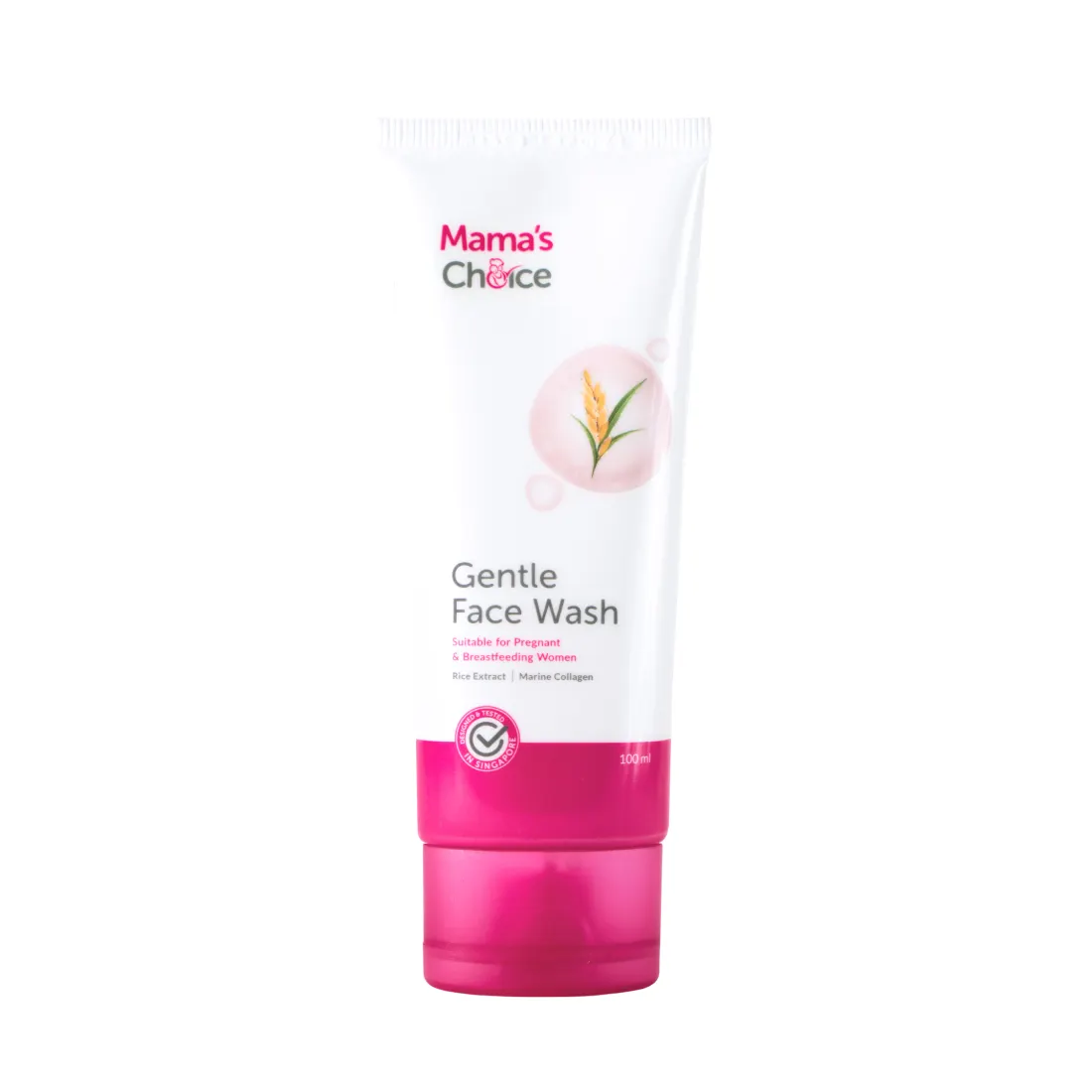
Cleanse gently, twice a day. Mama's Choice Gentle Face Wash is built for it. Harsh cleansing strips the barrier, and a stripped barrier makes more oil.
Moisturise anyway. Skipping it because your skin feels oily is the most common mistake in any acne routine.
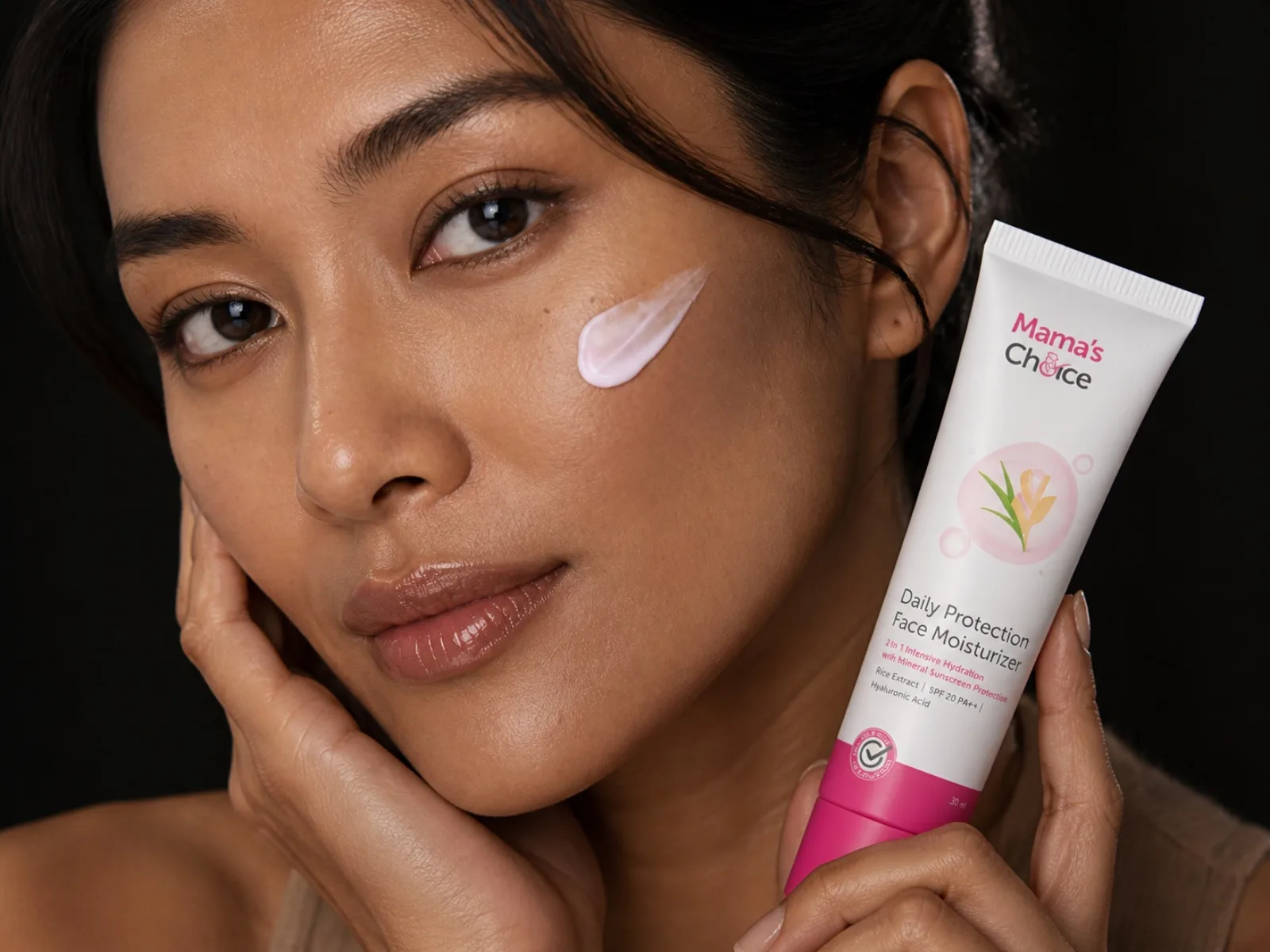
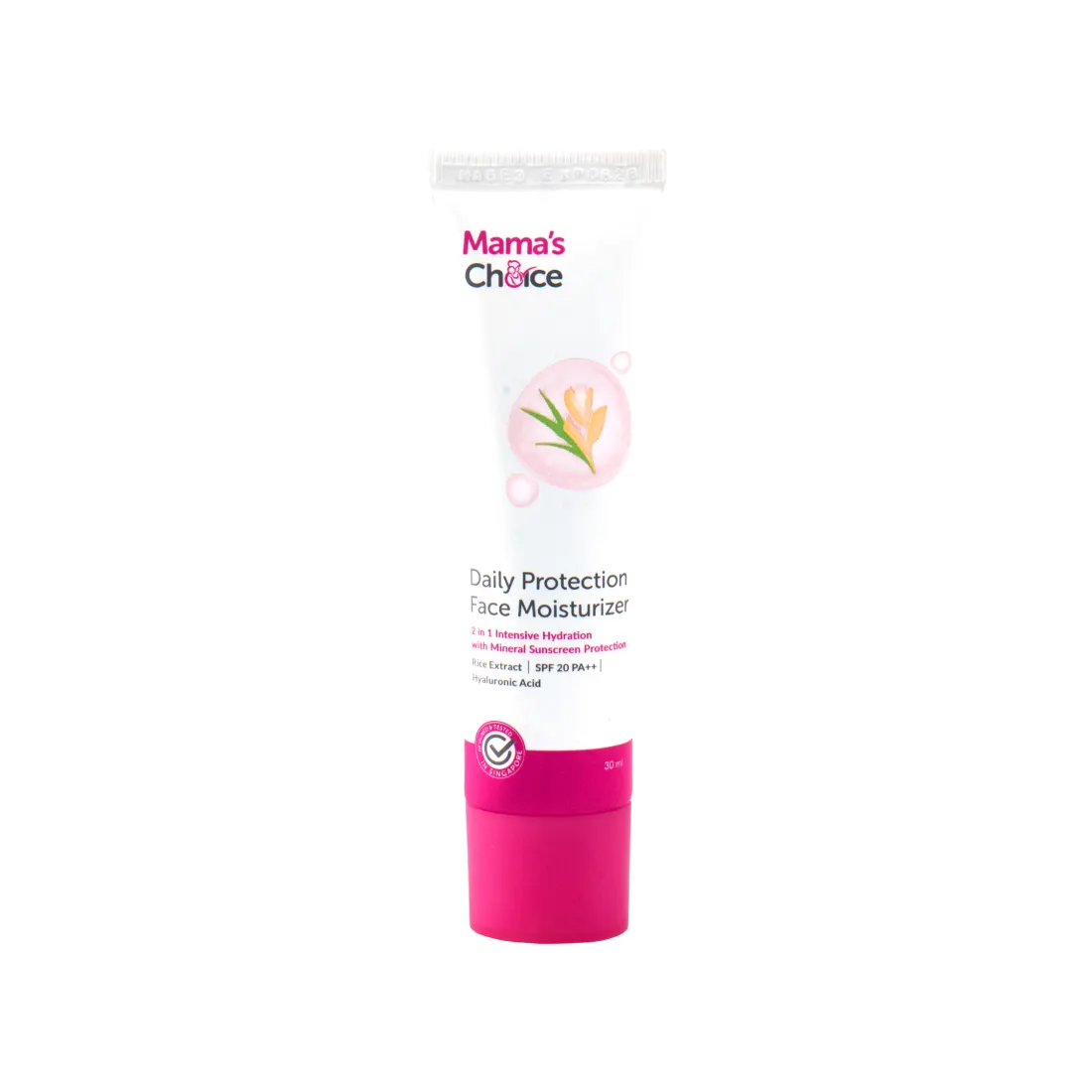
Wear sunscreen. Daily Protection Face Moisturizer does both. The marks spots leave behind darken in sun, and those marks are usually what is still bothering you months later.
Do not pick. The mark outlasts the spot by months, every time.
Reading a label in thirty seconds
- Any retinoid, under any of its names
- Does "fragrance" or "parfum" appear
- The concentration of any acid, which the front of the bottle will not tell you
- A BPOM registration number
- Patch test on your jawline for two days before it goes anywhere near your whole face
When to see a doctor
- Deep painful lumps under the skin rather than surface spots
- Acne leaving marks or scars behind
- A sudden severe flare with other symptoms, such as unusual hair growth
- Anything that causes burning, swelling or a spreading rash
Sources
Share this article
This article is for information only and is not a substitute for diagnosis or medical advice. Please discuss your own situation with your midwife or doctor.