How to Choose a Stretch Mark Cream That Actually Works
Most stretch mark creams are moisturisers in a different bottle. What separates the rest, when to start, and what topical care can and cannot do.
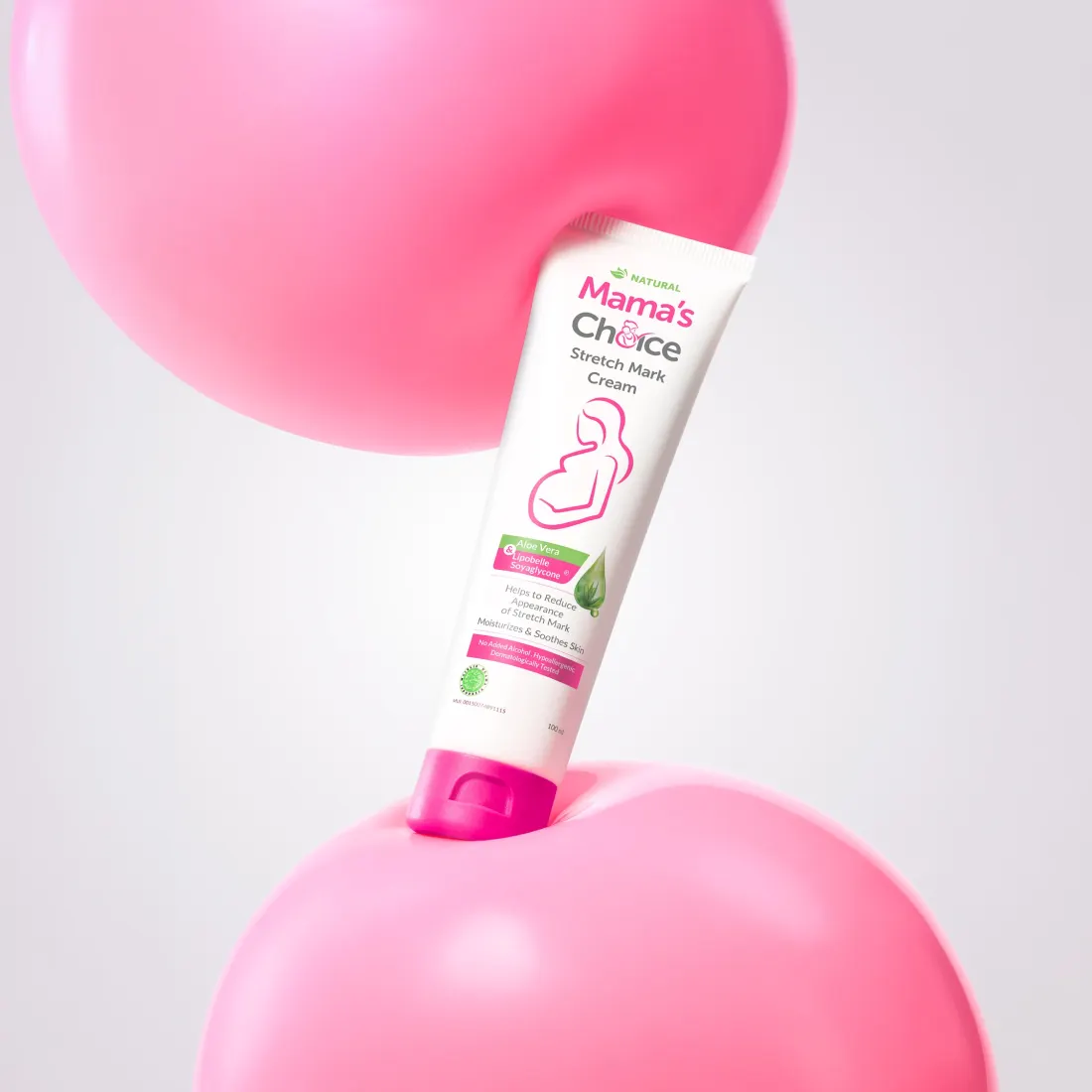
Every tube on the shelf promises the same thing. The prices differ by a factor of ten. Read the ingredient lists closely and often they barely differ at all.
A few things genuinely separate them. Price is rarely one.
Why most of them disappoint
Because the problem is not on the surface, and most products are.
A stretch mark is a tear in the dermis, the middle layer, where collagen and elastin give your skin strength and spring. Dryness has very little to do with it. Stretch faster than the dermis can adapt, the fibres break, and what you see is the scar tissue that forms underneath.
So a product that only moisturises the top is working several layers above the problem.
Red ones and white ones are different jobs
Red or purple means fresh. Active inflammation, live blood supply, skin that responds to what you do.
White or silvery means settled. Scar tissue, no pigment, no active blood supply, far harder to shift.
That shift takes months. It is the single strongest argument for starting early, and the reason Mamas who begin in the third trimester so often feel let down.
What to look for
Something that gets past the surface. Soy isoflavones are among the better-studied options for supporting your skin's own collagen production. Without something of that kind, you have bought a body lotion in a more expensive bottle.
Something for the itch. Stretching skin itches, sometimes badly, and scratching makes everything worse. Aloe vera and similar earn their place here.
Occlusives that hold water in. Shea butter, jojoba oil, olive oil. Well-hydrated skin stretches further before it tears.
A texture you will use twice a day. Sounds trivial, is not. A cream that feels greasy under clothes gets used once and abandoned, and consistency is the biggest single variable in how any of these perform.
A pregnancy-safe formulation. No retinoids. Look for a product that says it is formulated for pregnancy and breastfeeding rather than leaving you to work it out from the list.
Cream, oil or serum
Different jobs, and plenty of Mamas use more than one.
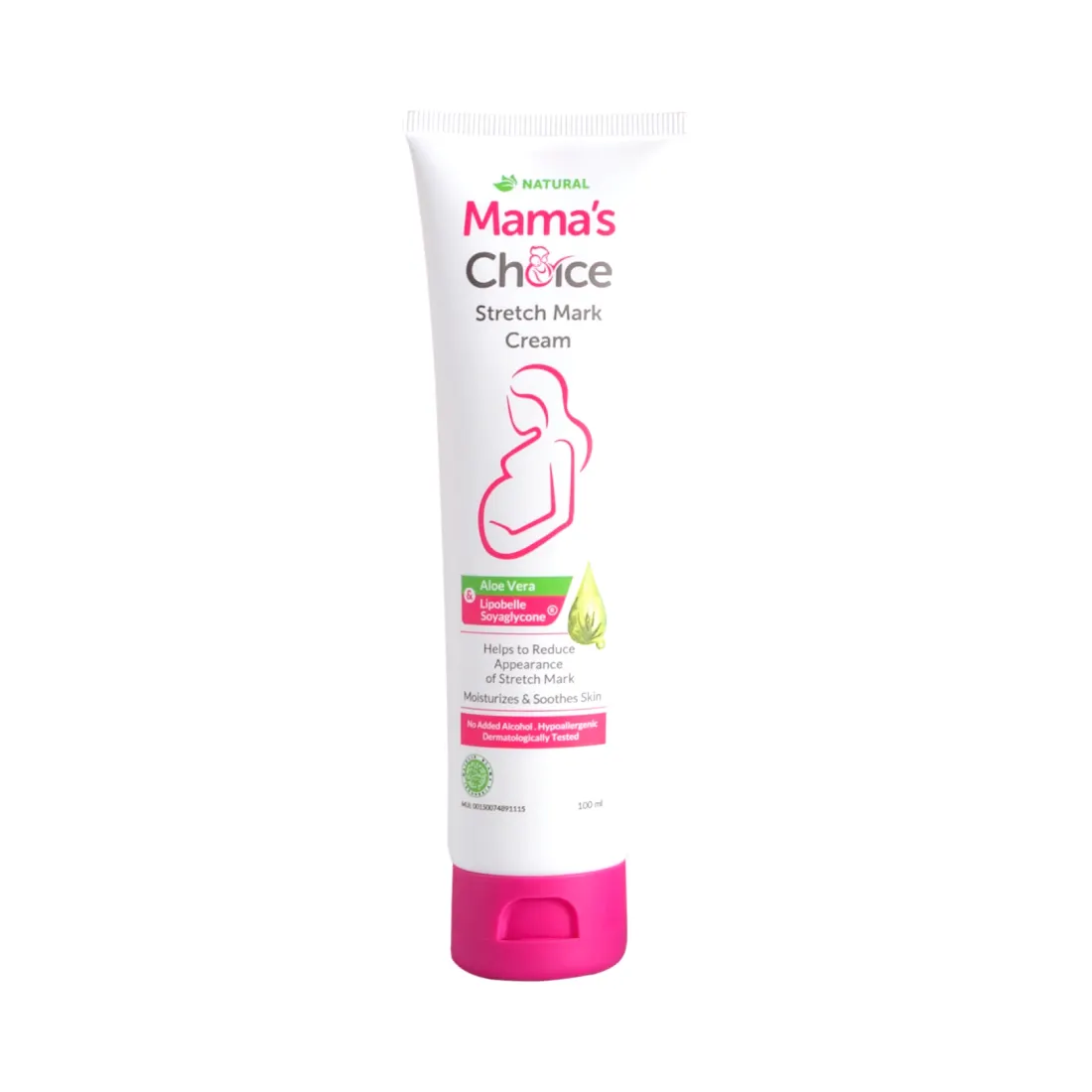
Cream is the daily workhorse. Hydrates, calms the itch, comfortable under clothes.
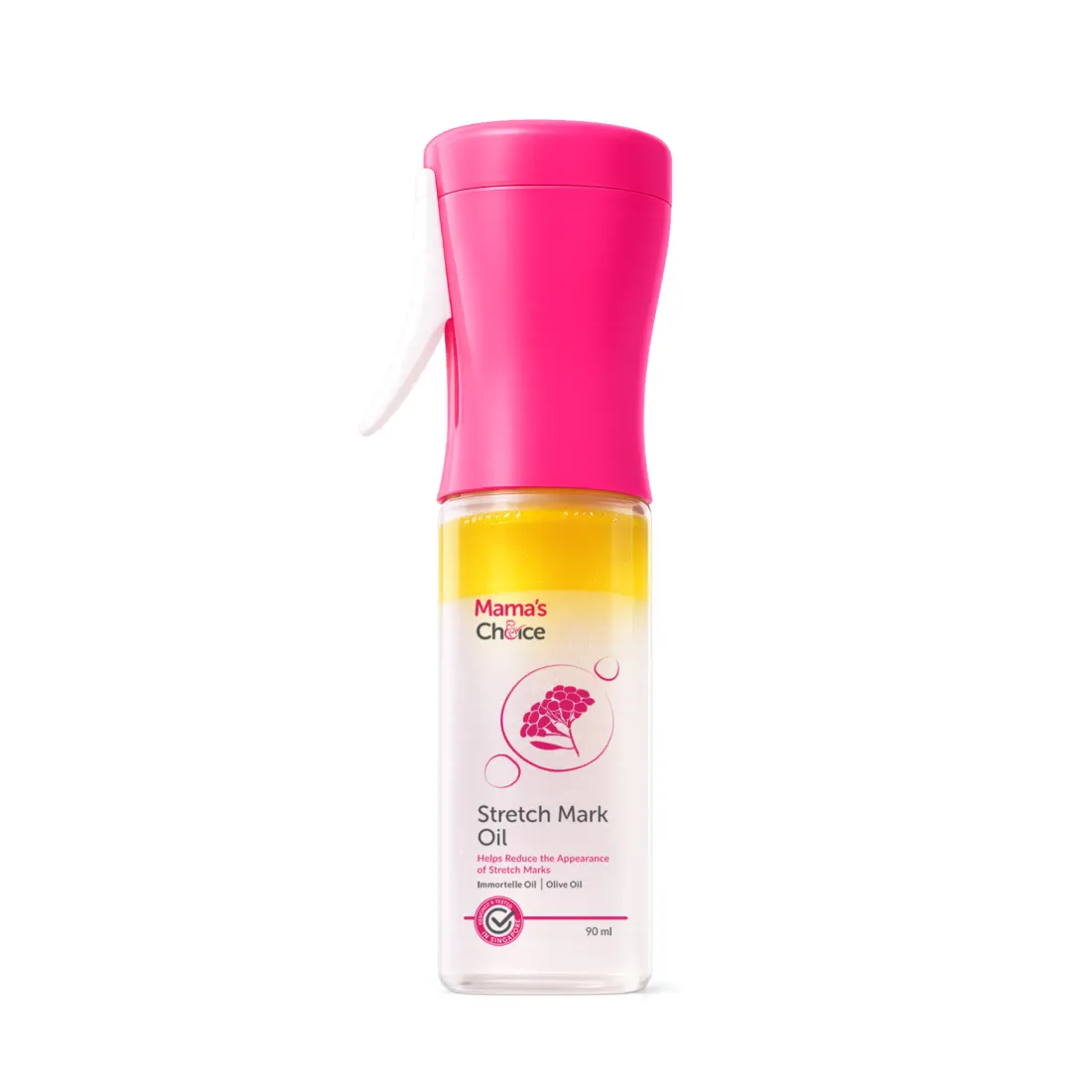
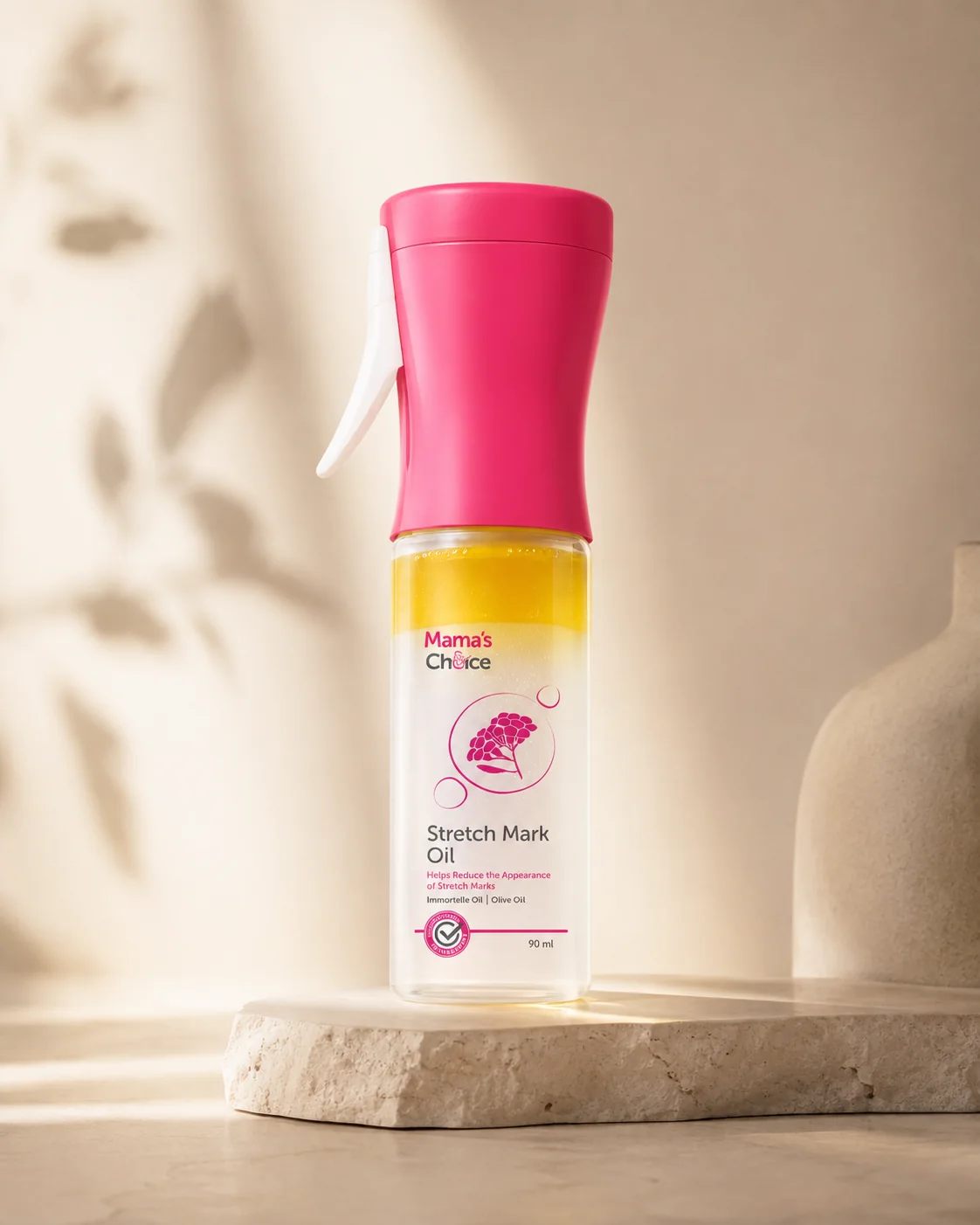
Oil is heavier and stays on the surface longer. Often better at night, and particularly good for itching.
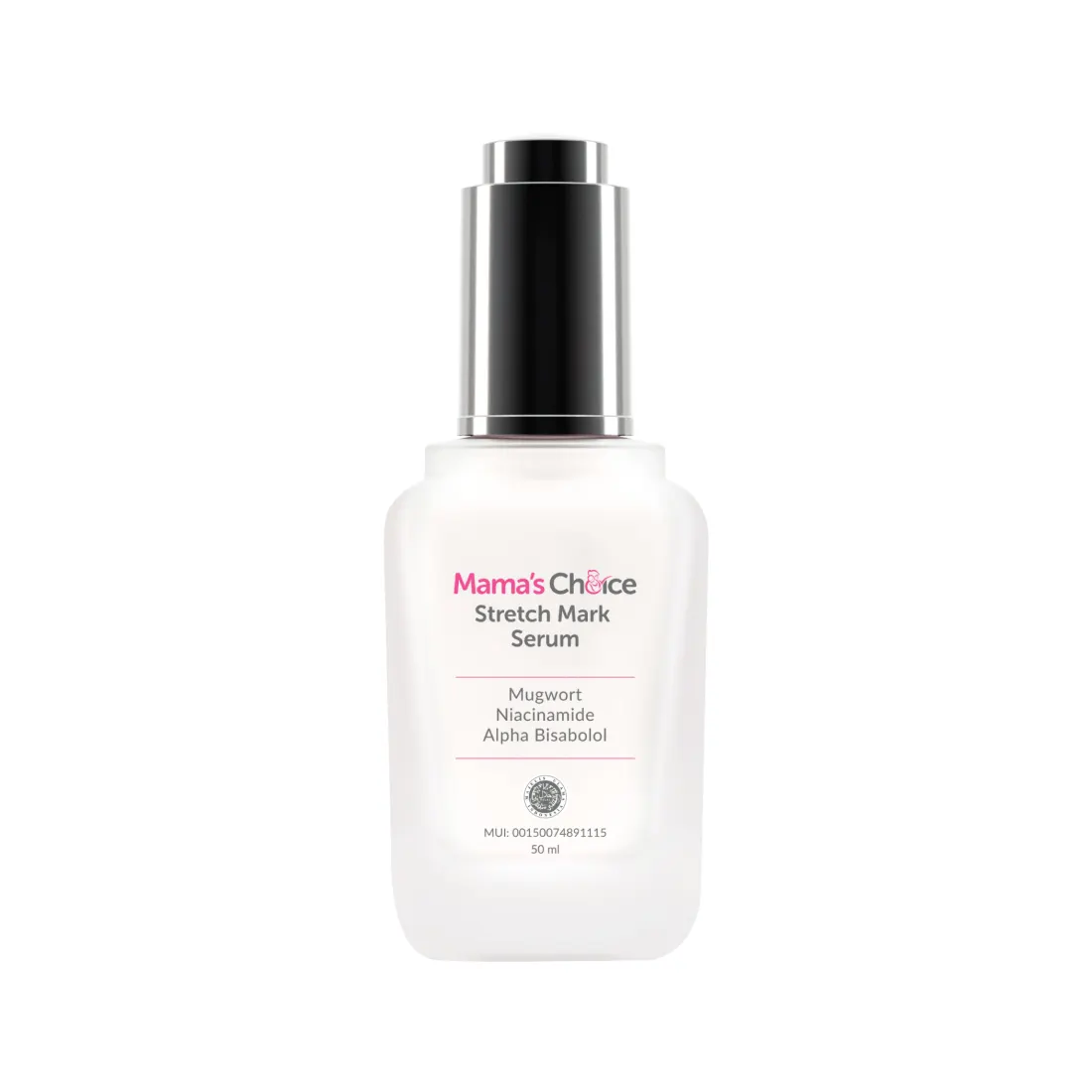
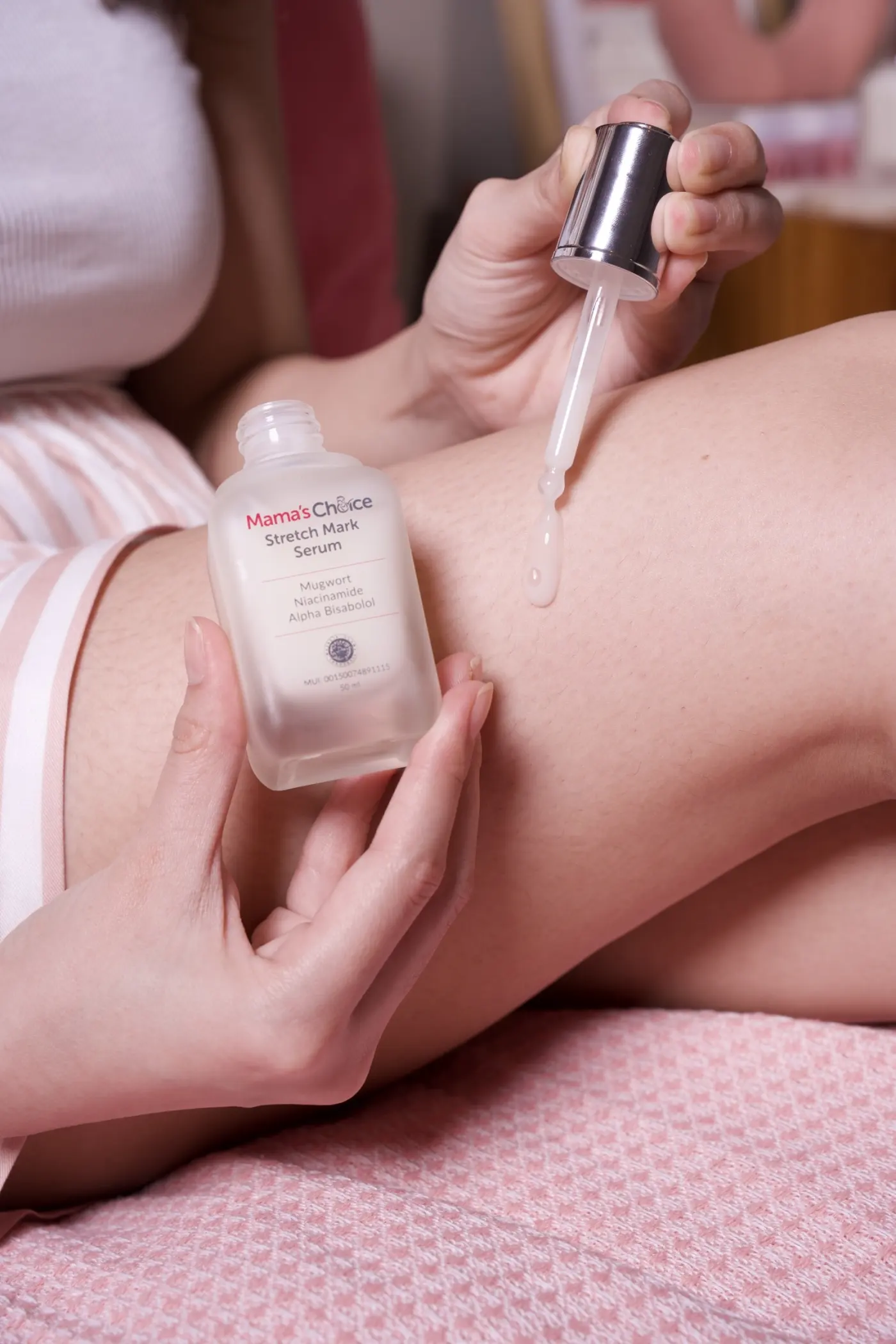
Serum is lighter and more concentrated, aimed at marks that already exist and at uneven tone.
A sensible routine: serum on the marks, cream over the whole area.
What our own numbers say
From our 2022 consumer satisfaction survey of 78 Mamas using the Stretch Mark Cream:
- 94% felt the itching was reduced
- 91% felt the marks looked reduced
- 88% felt it helped with the appearance of new marks
- 98% reported no skin reactions
Those are perception results, from a satisfaction survey rather than a clinical trial. Every figure we publish carries its sample size for exactly this reason.
Using it so it has a chance
Start in the first trimester, before the fast stretching begins.
Massage it in, do not smear it. The mechanical stimulation is thought to contribute, and it raises local blood flow either way.
Twice a day, every day. This matters more than which product you bought.
Everywhere that stretches, not just the belly. Breasts, thighs, hips, upper arms.
Carry on after the birth. Marks keep changing for months, and the red window is the one that responds.
What no cream will do
Genetics decides most of it, family history more than anything else. Age, how fast you gain weight, twins, and your baby's birth weight all matter too.
Nothing topical overrides that. What it does is keep your skin in the best condition available to it while it is being stretched, and improve how the marks that do appear end up looking.
About eight in ten pregnant Mamas get them. They are not evidence of neglect and they are not something you need to hide. If you would like to care for them anyway, starting early is the part genuinely in your hands.
Frequently asked questions
- When should I start using a stretch mark cream?
- As early as the first trimester, before the skin begins stretching quickly. Caring for skin that has not yet torn is far easier than fading marks once they have formed.
- Can stretch mark creams remove stretch marks completely?
- No topical product removes them entirely, because a stretch mark is scar tissue in the middle layer of the skin. What good topical care does is keep skin in the best possible condition while it stretches, and soften the appearance of marks, most effectively while they are still red or purple.
- Which ingredients should I look for?
- Ingredients that support the skin's structure rather than only sitting on the surface: soy isoflavones, shea butter, jojoba and olive oils, and aloe vera for the itching. Avoid retinoids during pregnancy.
- Is it enough to apply once a day?
- Twice daily, with massage, is what most guidance suggests. Consistency tends to make more difference between Mamas than the specific product chosen.
Sources
- Mama's Choice — consumer satisfaction survey 2022, n=78
- American Academy of Dermatology — management of striae distensae
Share this article
This article is for information only and is not a substitute for diagnosis or medical advice. Please discuss your own situation with your midwife or doctor.