Alpha Bisabolol in Skincare
What alpha bisabolol does, where it comes from, why it turns up in products for pregnancy, and how much of the evidence is human rather than laboratory.
It is on the back of half the products marketed at pregnant skin, usually near the end of the list, and almost nobody knows what it is.
Alpha bisabolol comes from chamomile. It calms things down. That is the short version, and it is most of what is worth knowing.
What it does
Calms inflammation
This is the property with the most behind it, and the reason to want it in a formula.
Bisabolol blocks cytokines, the signals your body uses to run an inflammatory response. Fewer signals, less redness.
The same action is why it gets credited with helping skin repair itself, collagen included. Treat that as plausible rather than settled. The mechanism is well established; the human results are thin.
Mops up free radicals
An antioxidant effect, aimed at the slow accumulated damage from sun, smoke and diet. The kind that shows as early lines rather than anything you notice week to week.
Antioxidants are a crowded field and bisabolol is not the strongest of them. Its value is that this arrives alongside the calming, rather than instead of it.
Slows pigment
Bisabolol dampens melanin production. Melanin is what gives skin its colour, and pregnancy hormones or sun exposure can push it into overdrive, which is where dark patches come from.
Slowing that helps existing marks look less pronounced. It will not lighten your natural skin colour, and it is not a whitening ingredient. Anyone selling it as one is selling something else.
Carries other ingredients in
The least discussed property and one of the most useful. Its structure lets it pull other actives deeper into skin, which is why it gets paired with ingredients that struggle to get anywhere on their own.
With a catch: it will carry an irritant deeper too. Fine inside a well-built formula, and a reason not to layer it over something harsh.
Is it safe in pregnancy
Yes. The Cosmetic Ingredient Review Expert Panel found that although bisabolol absorbs well, it produced no toxicity or irritation, and supported its use during pregnancy. That is why it turns up in products formulated for this stage, ours included.
One caveat. Chamomile is in the daisy family, along with ragweed and marigold. If you react to any of those, patch test on your inner arm before putting it anywhere large.
Where we use it
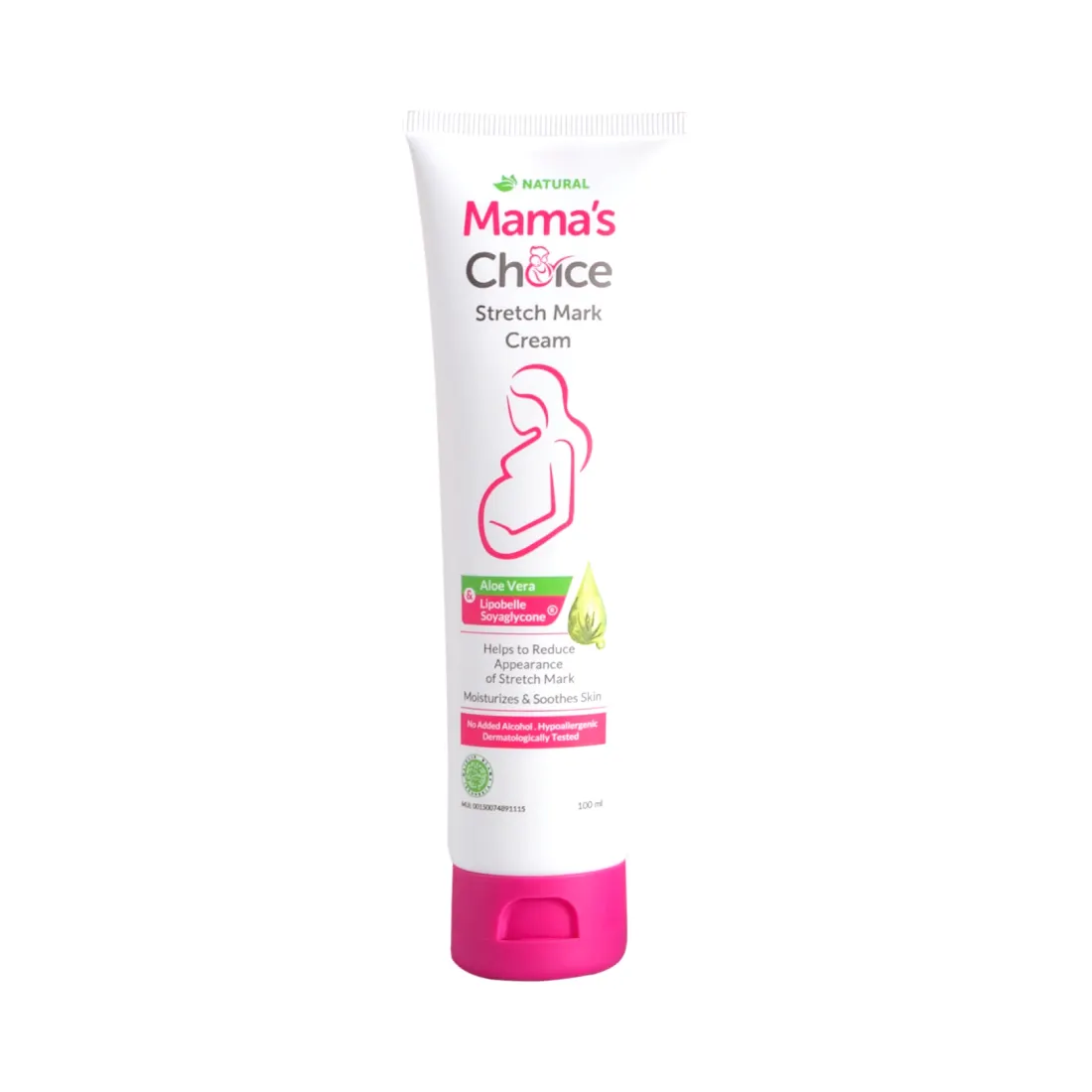
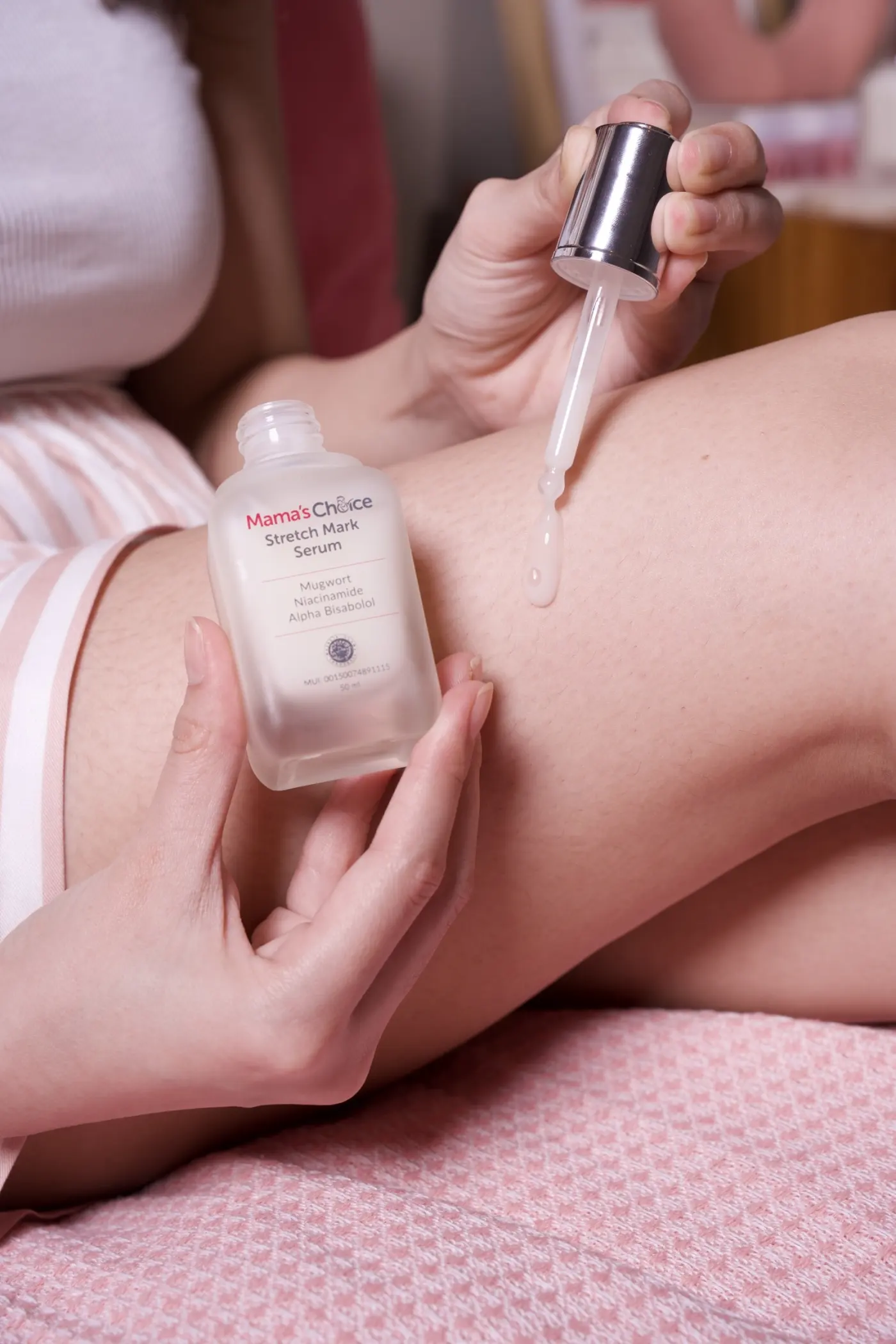
Mama's Choice Stretch Mark Serum uses organic Ecocert-certified alpha bisabolol as its regenerating ingredient, with mugwort for inflammation and niacinamide for tone.
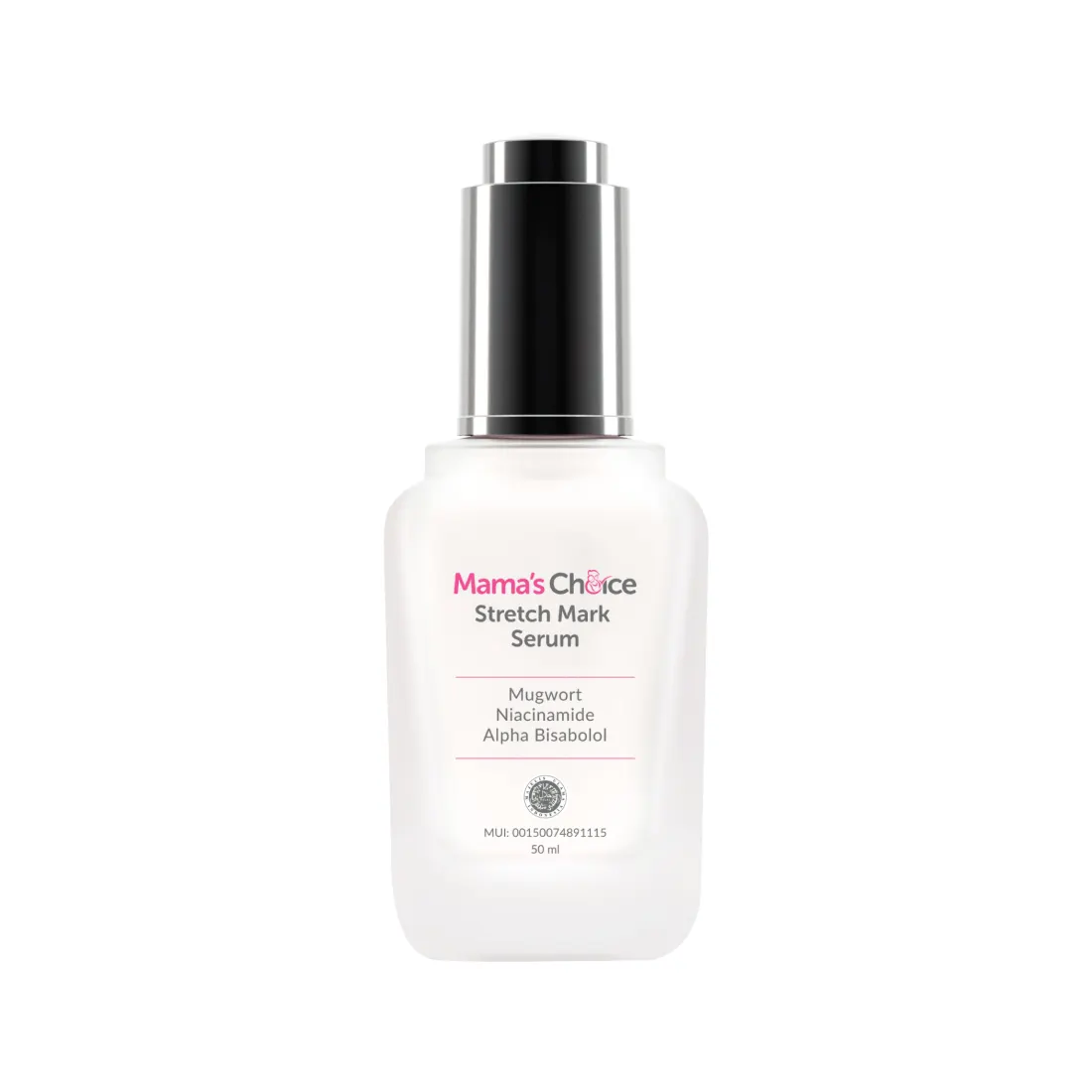
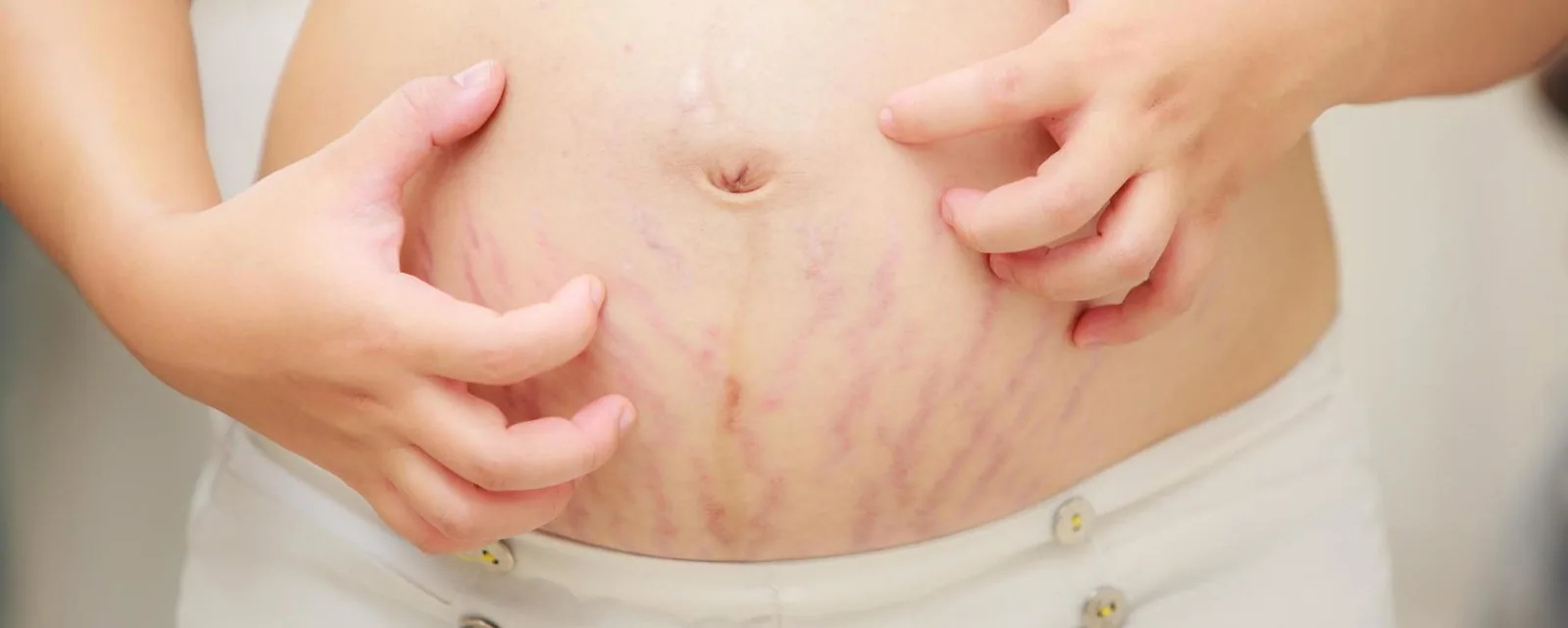
Skin that is stretching is usually itchy and slightly inflamed. That is exactly what this part of the formula is for.
What the numbers behind it actually say
The serum's page has carried the phrase "clinically tested to help fade stretch marks". The clinical work behind that is the Spincontrol Thailand 2023 test (n=22): up to 65% reduction in appearance over 28 days, with the cream and the serum used together.
Both went on at once, with no comparison group, so nothing in that result can be pinned on alpha bisabolol, or on either product alone.
And the standing limit on this whole category: no moisturiser has been shown to prevent stretch marks.
What to expect
Calmer skin. Less redness, less of the itch that comes with stretching, and over months, marks that look softer than they would have.
It is not a treatment for a skin condition. If your skin is genuinely inflamed rather than just irritated, that is a doctor's job.
Using it
Bisabolol is nearly always a supporting player, so in practice you use the product, not the molecule.
Onto clean, slightly damp skin. Then give it 8 to 12 weeks before you judge it. Skin turns over on a scale of weeks, and most things get abandoned at three.
Sources
Share this article
This article is for information only and is not a substitute for diagnosis or medical advice. Please discuss your own situation with your midwife or doctor.